Yogurt drinks exist across the world, from Indian lassi to Iranian doogh, and at first glance they all look alike: a cold, creamy beverage made from fermented milk. But ayran stands apart in taste, in use, and in meaning, and the differences are worth understanding. Some versions are sweet, some are fizzy, and some are thick enough to eat with a spoon, and each one belongs to its own culture. This comparison places Turkish ayran next to its international relatives, explains what they share and where they part ways, and shows why a salty, unsweetened glass of ayran is unmistakably Turkish.
The technique is older than any written record, and it spread through trade, migration, and conquest, so the family tree is tangled. A traveler tasting yogurt drinks across Asia and the Middle East is tasting the same ancient discovery in a hundred local costumes.
The Basic Recipe: What All Yogurt Drinks Share
Every yogurt drink in the world begins the same way: yogurt, or fermented milk, thinned with water to a drinkable consistency. The fermentation gives all of them their tang, and the thinning gives them their lightness.
The shared ancestry explains the family resemblance. Milk that has soured into yogurt, water added to make it drink, this is a technique that human beings invented independently in several places, because it solves the same problems.
Where the family divides is in what comes next: the salt, the sugar, the herbs, the spices, and the carbonation. Those choices define each national version, and they are what separate ayran from the crowd.
The salt also shapes how the drink is sold and served: a salty drink is measured by its refreshment and its pairing, not its dessert appeal. In Turkey, the salt level is a mark of a proper glass, and the drink is ordered with the same confidence as a glass of tea.
The Salt: Ayran’s Defining Choice
The most important difference is salt. Ayran is salted, deliberately and visibly, and the salt is what turns it from a sweet dairy drink into a savory one that belongs with meat.
Most other yogurt drinks are sweet. Lassi is sweetened with sugar and often fruit, and the salty version, namkeen lassi, is a minority taste in India rather than the default.
The salt in ayran is not a small detail; it is the character of the drink. It is what lets ayran sit beside a spicy kebab, and it is what Turkish drinkers miss first in the sweet versions of other countries.
The divide is also cultural: cultures that drink savory yogurt drinks tend to build them into the meal, while cultures that drink sweet versions treat them as a treat. Ayran’s place in the meal is so fixed that a kebab house without ayran is like a breakfast without tea.

Sweet vs. Savory: The Great Divide
The yogurt-drink world splits neatly into sweet and savory camps. Ayran leads the savory camp, along with doogh and tan, while lassi and the smoothie-like versions lead the sweet camp.
The sweet versions treat yogurt as a dessert base: sugar, fruit, honey, and spices are added, and the drink is served as refreshment or dessert. The savory versions treat yogurt as a food companion, seasoned with salt and sometimes herbs.
This divide explains the different uses. A sweet lassi is drunk on its own; a savory ayran is drunk with a meal. The purpose shapes the recipe, and the recipe shapes the taste.
The friendship between the two drinks is older than the modern borders, and travelers crossing between Iran and Turkey are struck by how familiar each version feels. The small differences, the mint, the fizz, the thickness, become the details that define each national pride.
Doogh: The Closest Cousin
The closest relative of ayran is doogh, the yogurt drink of Iran and the wider Middle East. Doogh shares the basic method and the salt, and it is often served with dried mint.
The difference is largely in the details: doogh is frequently carbonated, a lightly sparkling version that is popular in Iran, while ayran is always still. Mint is common in doogh and optional in ayran.
Both drinks claim ancient roots, and both are proud national foods. The traveler who has drunk doogh will find ayran familiar, and the traveler who has drunk ayran will find doogh recognizable.
The shared heritage also means that arguments about which version is original are endless and friendly, like arguments about the best way to fold a flatbread. What everyone agrees on is the base: yogurt, water, salt, and the refreshment they bring to a hot table.

Tan: The Armenian Version
The Armenian version, tan, is another close relative, made from yogurt thinned with water and salted. Like doogh, it is often served with herbs, and it fills the same role at the table.
The differences between tan and ayran are matters of habit rather than substance: the thickness, the salt level, and the choice of herbs vary from kitchen to kitchen on both sides.
What matters for the comparison is that the whole region shares one idea. Salted, thinned yogurt is a common heritage of the Middle East and the Caucasus, and each country gives it its own name and its own small twists.
The contrast with lassi also explains the ingredients: where lassi adds fruit and sugar to the yogurt, ayran adds salt and nothing else. The two drinks show how the same starting point can be taken in opposite directions, and how a culture’s taste decides which direction is right.
Lassi: The Sweet Counterpart
Lassi, the great yogurt drink of India, shows how far the family can diverge. The classic lassi is sweetened, often blended with fruit, rose water, or cardamom, and served as a cooling dessert drink.
The salty version, namkeen lassi, is closer to ayran in spirit, but it is the exception in India rather than the rule. The default lassi is sweet, thick, and made to be enjoyed on its own.
The contrast is instructive: two yogurt drinks, both ancient, both beloved, and yet opposite in purpose. Ayran exists for the meal, lassi for the refreshment, and the recipes follow the roles.
The confusion between kefir and ayran is easy to forgive, since both arrive cold and white, but the recipes are genuinely different. Understanding the difference is useful at the market, where the two drinks sit side by side, and the labels decide what you are pouring.

Kefir and the Fermented Family
Kefir, the fermented milk drink from the Caucasus, is sometimes grouped with ayran, but the two are very different. Kefir is fermented with kefir grains into a sour, slightly fizzy drink, and it is drunk plain or sweetened.
Ayran is made by mixing already-made yogurt with water, not by a separate fermentation. The flavors are different: kefir is more sharply sour and often effervescent, while ayran is clean, salty, and still.
Both are valued as healthy drinks, and both belong to the same broad family of cultured dairy. But the recipes, the textures, and the tastes are distinct, and confusing them would be a mistake.
The whisked foam of ayran is often mistaken for carbonation by newcomers, but the two are different in origin and in feel: the foam is air beaten in, and it settles quickly, while true carbonation persists. The distinction matters to anyone who wants the real Turkish texture.
Carbonation: Still vs. Sparkling
One of the clearest lines in the family is drawn by carbonation. Ayran is never carbonated; it is a still, fresh drink, and the foam on top comes from whisking, not from gas.
Doogh, by contrast, is frequently sold and served sparkling in Iran, and the fizz is part of its modern identity. Kefir has a natural light fizz from its fermentation.
The still character of ayran is one of its quiet virtues: it is pure, clean, and immediate, a drink of three ingredients with nothing else in the glass. The whisked foam is the only ornament it needs.
The table role also explains the serving size: ayran comes in generous glasses because it is drunk throughout a meal, while sweet yogurt drinks are often smaller, one serving, one pleasure. The size, like the salt, is a clue to the drink’s purpose in the culture.

The Role at the Table
The deepest difference between ayran and its relatives is the role it plays. Ayran is a table drink, poured beside the meal and drunk between bites, and it is judged by how well it works with food.
Lassi is a standalone refreshment, doogh is both, and tan follows the meal like ayran. The Turkish habit of drinking ayran with every meal, and especially with grilled meat, is what gives the drink its everyday, essential character.
That role is the true mark of the Turkish style. Ayran is not a treat; it is a companion, as constant and as unremarkable as bread, and that ordinariness is exactly what makes it special.
What Makes It Undeniably Turkish
The combination of salt, stillness, and the table role is what makes ayran Turkish. No other yogurt drink combines all three in quite the same way, and no other culture has made the drink quite so central to its daily eating.
The vocabulary is Turkish too: the levels of salt, the froth, the phrase for a good glass, all belong to a culture that has drunk ayran for a thousand years. The drink carries the language of its home.
When you drink ayran in Turkey, you are drinking a national habit that no comparison can dilute: salty, cold, whisked to a foam, and served with the meal, it is the taste of a table, and the table is Turkish.
Frequently asked questions
What is the difference between ayran and lassi?
Ayran is a salty, savory yogurt drink, while classic lassi is sweet, often flavored with fruit, rose water, or cardamom. Ayran is made with yogurt, water, and salt and is meant to accompany a meal, whereas lassi is a standalone refreshment. Both are ancient yogurt drinks, but they sit on opposite sides of the sweet-and-savory divide.
Is ayran the same as doogh?
Ayran and doogh are close cousins, both made from salted, thinned yogurt, but they differ in details. Doogh, the Iranian version, is often carbonated and commonly served with dried mint, while ayran is always still and mint is optional. Both are proud national drinks with ancient roots, and each country prepares its version with local habits.
Why is ayran salty instead of sweet?
The salt is traditional and practical: it sharpens the yogurt’s tang and replaces minerals lost through sweat, and it makes the drink pair naturally with grilled meat and spicy food. Sweet yogurt drinks serve a different purpose, standing alone as refreshment or dessert. Ayran is built for the meal, and the salt is what fits it to that role.

All Over Information
The All Over Information editorial team researches and writes practical English-language guides to Turkey. Facts are checked against official and local sources before publication, prices are published as dated ranges rather than quotes, and guides are revised when things change. We accept no sponsored posts, paid placements or paid links.
More guides like this

How Turkish Cuisine Varies by Region
Ask a Turk about the national cuisine, and you will get a gentle correction: there is no single Turkish food, but seven…

Turkey for Foodies: A Complete Guide
Turkey is one of the great cuisines of the world, and for the foodie it is a destination of the first rank.
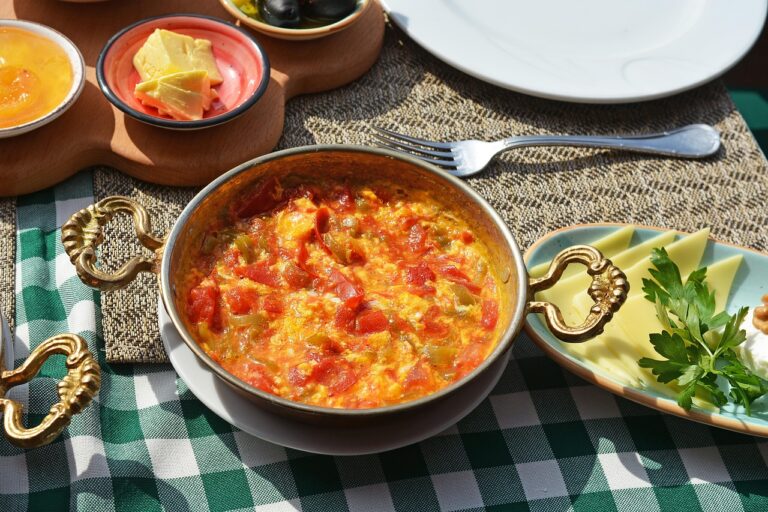
The Ultimate Guide to Menemen
Menemen is the soul of the Turkish breakfast table, a simple dish of eggs, tomatoes, and peppers simmered gently in olive oil…

How to Make Authentic Kofte at Home
Authentic kofte is a lesson in restraint: good meat, a few seasonings, a patient hand, and a hot surface.
Balik Ekmek (Fish Sandwich): A Taste of Turkish Culture
Balik ekmek is not just the most famous sandwich in Turkey; it is a ritual of the waterfront that connects the city…

Borek: A Taste of Turkish Culture
In Turkey, borek is not merely food. It is a language of hospitality, a marker of morning, a memory of grandmothers, and…