Few foods say more about Turkey than kebab. It is the smoke that rises from a hundred thousand grills, the warmth of shared tables, and the pride of cities that have built their identities around a skewer of meat. When you sit down to eat kebab in Turkey, you are not just having a meal; you are joining a tradition that reaches back through centuries of nomadic camps, Ottoman kitchens, and neighborhood ocakbaşı restaurants. Understanding that tradition will make every bite richer, and this guide will show you the culture hiding behind the smoke.
More Than a Meal
Kebab is the food of hospitality. In Turkey, to invite someone to a kebab house is to offer them your best, your time, and your company. The meal stretches across the evening, with soup, mezes, and endless bread, because the point is never simply to eat.
The table itself is a lesson in Turkish values. Dishes are shared, portions are generous, and the cook keeps sending food until the guests surrender. To eat alone at a kebab house feels almost unnatural, because the dish was designed for company.
Kebab is also the food of celebration. Birthdays, promotions, family reunions, and evenings with friends all find their way to the grill. The smoke, the sizzle, and the chorus of conversation are the soundtrack of Turkish social life.
In this sense kebab is more than a food. It is a way of being together, a ritual that gives structure to friendship, and a doorway into the warmth that defines Turkish culture.
A History Written in Fire
The story of kebab begins with the Turkic nomads of Central Asia, who roasted meat over open fires as they moved across the steppes. Skewering meat made it possible to cook whole animals efficiently, and the technique traveled wherever the nomads went.
As Turkish peoples settled in Anatolia, the fire moved indoors. The mangal, or charcoal grill, found a permanent home in the kitchen, and the kebab evolved from campfire food into a sophisticated cuisine.
The Ottoman Empire spread the kebab further. Palace kitchens refined techniques, provincial cities developed their own styles, and the roads of the empire carried cooks, spices, and recipes between regions.
Every era added a layer. The döner of the nineteenth century, the Iskender of Bursa, the great kebab houses of Istanbul, all belong to this long story. Today’s kebab is a living museum of Turkish history, and each bite carries centuries of fire.

Kebab in the Daily Rhythm
For most Turks, kebab is not a daily food but a beloved rhythm of the week. Families gather at the kebab house on weekends, colleagues celebrate over lunch, and special occasions almost demand the grill.
The ocakbaşı, where diners sit around an open charcoal counter, is the heart of this culture. Regulars have their own chef, their own corner, and their own order that arrives without being spoken. To become a regular is to be adopted by a small family.
Lunchtime döner is the other daily ritual. A quick sandwich of sliced meat, tomato, and onion is the working meal of millions, eaten standing or on the move.
This rhythm, part celebration and part routine, is what makes kebab feel so alive. It is not a museum dish preserved in aspic but a living food that still organizes the days and evenings of a whole country.
The Grill Master’s Craft
The usta, or master cook, is the soul of the kebab house. Years of apprenticeship pass before a cook is trusted with the fire, and the title is earned through repetition, patience, and a feel for the meat.
Watch an usta work and you will see a performance. The skewers are turned with a flick of the wrist, the heat is judged by eye, and the timing of each skewer is memorized like music.
The relationship between usta and customer is part of the ritual. The usta remembers who likes their meat well done, who wants extra pepper, and who is visiting for the first time. This personal touch turns a restaurant into a home.
Behind the craft lies a code of quality. The meat must be fresh, the charcoal real, and the spice honest. An usta who cuts corners loses respect, because in the kebab world, reputation is everything.

Kebab as Celebration
No Turkish celebration is complete without a kebab. Weddings in the southeast are famous for their massive grills, where whole lambs are roasted and shared with the entire neighborhood.
Religious holidays bring families together over skewers, and the smell of charcoal signals the start of festivity. The grill is the great equalizer, bringing rich and poor to the same smoke.
Sporting victories, promotions, and reunions all find their way to the kebab house. The meal is the excuse, but the gathering is the point, and the kebab is simply the best excuse there is.
This celebratory spirit gives kebab its joy. When you eat kebab in Turkey, you are eating a food that has witnessed generations of laughter, argument, and reconciliation, and that warmth is part of the flavor.
Regional Pride on a Plate
Kebab is a map of Turkish identity. Adana built its name on spicy minced meat, and the city treats its kebab as a matter of honor. Şanlıurfa answers with its smoky, gentle isot kebab, and the rivalry is conducted with great good humor.
Bursa claims Iskender as its own, Istanbul mixes every tradition, and Erzurum defends the cağ kebab of the eastern mountains. Each city’s kebab is a badge, a way of saying who you are and where you come from.
This regional pride keeps the kebab world alive. New variations appear, old ones are defended, and debates about the proper technique are conducted with the seriousness of scholarship.
For the traveler, this pride is a gift. Ask a local about their city’s kebab and you will receive a passionate lecture, a recommendation, and often an invitation. The kebab is the conversation starter, but the pride is the real dish.

Kebab Houses as Social Spaces
The kebab house is one of Turkey’s great social institutions. It is where neighbors meet, where deals are made, where families celebrate, and where strangers become friends over a shared plate.
The ocakbaşı adds theater. The fire glows, the skewers sizzle, and the usta performs, turning dinner into an event. Conversations flow between tables, and the room becomes a single, warm organism.
The lokanta, or simple eatery, plays a humbler role. Its döner counter feeds workers, students, and travelers, and its plastic tables are the true democracy of Turkish food.
Neither setting is better than the other. One is ceremony, the other is daily bread, and both are kebab. Together they show how a single food can anchor both the grand gesture and the everyday life of a nation.
Kebab in Music and Story
Kebab has seeped into Turkish language and song. The word appears in jokes, proverbs, and anecdotes, and the kebab house features in folk tales as the place where fortunes are made and hearts are won.
The sizzle of the grill is a sound of home for millions, and the smell of charcoal can bring tears of nostalgia to a Turk far from the country. Memory and kebab are intertwined.
Storytellers love the kebab house as a setting because it is where people talk. Secrets are exchanged over mezes, marriages are proposed over skewers, and the neighborhood news travels fastest through the smoke.
This presence in story and song shows how deep kebab runs in the national imagination. It is not just food on a plate but a character in the endless story that Turks tell about themselves.

The Ritual of the Table
A Turkish kebab meal follows an unspoken script. It begins with lentil soup, a warm welcome to the stomach, and continues through mezes that tease the appetite without overwhelming it.
The kebab arrives on a plate designed for the dish, with its grilled vegetables, its onions, and its bread. The first bite is taken slowly, because the moment deserves respect.
Tea closes the meal, small and black and sweet, and the conversation stretches on long after the plates are empty. No one rushes the ending.
This ritual is the culture made visible. It tells you that food is companionship, that appetite deserves ceremony, and that the best part of a meal is often the time spent around it after the last skewer is gone.
Passing the Flame Forward
The kebab tradition is still growing. Young cooks train under old masters, new kebab houses open in every city, and the techniques of the southeast have spread to the whole country.
Global interest has brought new audiences. Visitors arrive expecting a meal and leave with a memory, and many return home to build their own mangal and practice the craft.
Yet the essence survives. The charcoal, the fresh meat, the honest spice, and the warm table remain the same, because they are the values the tradition is built on.
As long as there is fire and meat and friends to share them, kebab will thrive. When you eat it in Turkey, you are not just tasting a dish but becoming part of its continuing story, and that is the true taste of Turkish culture.
Frequently asked questions
Why is kebab so important in Turkish culture?
Kebab is tied to Turkish history, from nomadic cooking fires to Ottoman palace kitchens. It is also the food of hospitality and celebration, shared at family gatherings, weddings, and holiday meals. The kebab house functions as a social space where people meet, talk, and connect, which is why the dish carries so much cultural weight.
What is an ocakbaşı restaurant?
An ocakbaşı is a restaurant built around an open charcoal grill, where diners sit close to the fire and watch the chef cook. The atmosphere is lively and theatrical, with food, conversation, and the warmth of the grill all part of the experience. It is the most traditional and social way to eat kebab in Turkey.
What should I order at a Turkish kebab house?
Begin with lentil soup, then choose mezes like ezme and haydari. For the main course, order according to your taste for spice: Adana kebab for heat, Urfa for mild smoky flavor, şiş for grilled cubes, or Iskender for a rich butter and tomato sauce experience. Share everything, and finish with tea.

All Over Information
The All Over Information editorial team researches and writes practical English-language guides to Turkey. Facts are checked against official and local sources before publication, prices are published as dated ranges rather than quotes, and guides are revised when things change. We accept no sponsored posts, paid placements or paid links.
More guides like this

How to Make Authentic Menemen at Home
Menemen is the dish that wakes up Turkey: a soft scramble of eggs folded into tomatoes and green peppers that have been…

The Ultimate Guide to Lahmacun
Lahmacun is the thin flatbread of Turkey that carries a topping of spiced minced meat, baked in a fierce oven until the…

Where to Find the Best Testi Kebab (Pottery Kebab) in Turkey
Testi kebab is a dish with a clear address: central Anatolia, and above all the pottery country of Cappadocia. But the sealed…

Stuffed Grape Leaves (Dolma) Vs. International Variations: What Makes It Turkish
The stuffed grape leaf belongs to a wide international family: the Balkans, the Middle East, the Caucasus, and the Mediterranean all roll…

Lahmacun: A Taste of Turkish Culture
Lahmacun is more than a thin flatbread with a meat topping; it is one of the great social foods of Turkey.
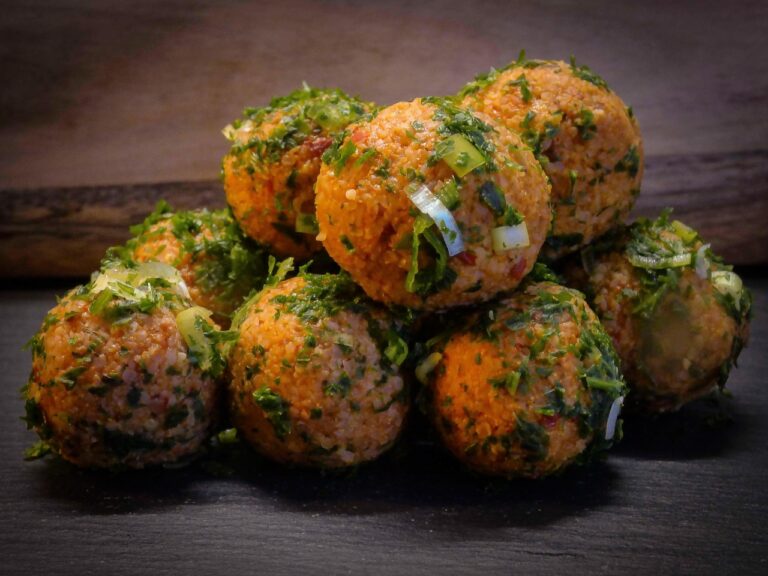
Kofte: A Taste of Turkish Culture
Kofte is more than a meal in Turkey; it is a national habit, a memory of childhood, a measure of hospitality, and…