Turkey’s cities today are among the most dynamic construction sites in the world, and contemporary Turkish architecture tells an exciting story of ambition, identity, and reinvention. From the glass towers rising along the Bosphorus to the rebuilt cities of the earthquake zone, from bold cultural buildings to the transformation of public squares, modern Turkish design is searching for its own voice. This guide introduces you to the ideas, the buildings, and the urban projects that define Turkey’s built environment today.
A Century of Modernism in Turkey
The story of contemporary Turkish architecture begins with the foundation of the republic in 1923. The new state hired European architects to build its capitals, schools, and banks, and Ankara grew rapidly with clean, modern buildings in the international style. Modernism became a statement of the republic’s break with the imperial past.
Turkish architects soon took over the project, and by mid-century they were adapting international modernism to local materials and climates. The 1950s and 1960s brought rapid urbanization, as villages emptied into the cities and the first skyscrapers appeared along the coast. Each decade added a new layer to the urban fabric.
For visitors, this history explains a lot about what you see. The grand public buildings of the republic’s early years, the apartment blocks of the 1960s, and the towers of today are all part of one continuous national project: building a modern country from the ground up.
The Great Building Boom
Since the 1980s, Turkey has experienced one of the fastest urban transformations in the world. Cities have doubled and tripled in size, and entire new districts have risen from empty land. Istanbul‘s skyline, Ankara’s business quarter, and the coastal resorts of the south are all products of this boom.
The construction industry has driven the economy, and the skyline has become a symbol of national confidence. Housing blocks march across the hillsides, office towers cluster along the highways, and shopping malls anchor new suburbs. For good or ill, the boom has reshaped how Turkish people live.
As a traveler, you will encounter this building culture everywhere. You will see it in the cranes above the old districts, in the gleaming new airports and stadiums, and in the contrast between ancient monuments and their glass neighbors. Understanding the boom helps you understand the energy, and the tensions, of modern Turkey.

The New Icons: Culture and Transportation
The most celebrated works of contemporary Turkish architecture are its cultural and transportation projects. Airports, museums, concert halls, and opera houses have been designed to put Turkey on the international architectural map. Several of these buildings have won global awards and featured in the world’s architecture magazines.
The new Istanbul Airport is one of the largest terminals ever built. The contemporary art museums of the Bosphorus have turned former industrial buildings into cultural landmarks. Concert halls in Istanbul and Ankara have pushed the limits of acoustic engineering, and stadiums have been designed as sculptural objects.
These buildings share a common approach: bold geometry, dramatic lighting, and a willingness to experiment with engineering. They show a country that wants its architecture to be world-class, and they offer visitors some of the most impressive contemporary spaces to be found anywhere.
Earthquake-Resistant Design
Turkey sits on active fault lines, and earthquakes have shaped both its history and its architecture. The devastating earthquakes of 1999 and 2023 forced a national reckoning with building safety. Today, earthquake-resistant design is the most urgent question in Turkish architecture and urban policy.
The response has been a vast urban renewal program. Older and vulnerable buildings are being demolished and replaced with new construction designed to modern seismic codes. Engineers have developed base isolators, damping systems, and reinforced core designs that allow buildings to flex rather than collapse.
For visitors, this matters in practical ways. Newer buildings, including most hotels and airports, are built to the latest standards. You may also see the visible signs of renewal: cleared blocks, construction sites, and whole new districts rising where older neighborhoods once stood. It is a reminder that architecture here is not only about beauty but about survival.
Residential Architecture and Urban Living
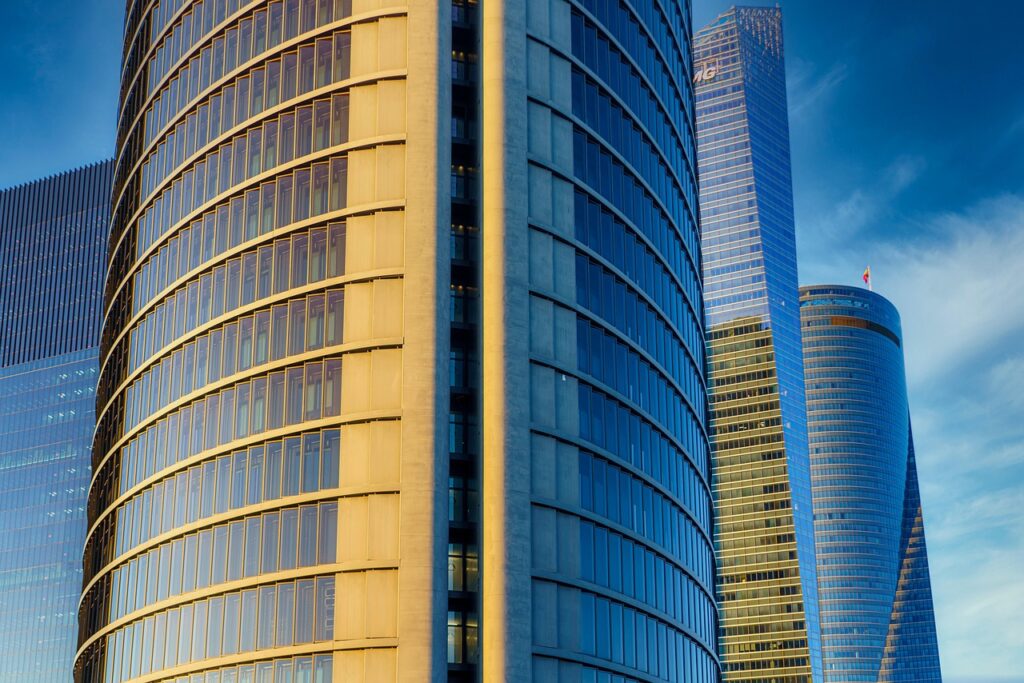
The apartment block is the basic cell of Turkish urban life. Since the mid-twentieth century, most urban Turks have lived in apartment buildings, and the design of these buildings has evolved through several generations, from modest mid-century blocks to today’s luxurious towers.
The modern housing market is dominated by large developments: guarded residential complexes with gardens, pools, and security, often built on the city edges. At the same time, a counter-movement has appeared, with boutique projects restoring historic houses and creating pedestrian-friendly neighborhoods.
For the traveler, this means Turkish cities offer every kind of accommodation, from a restored Ottoman mansion to a high-rise apartment with a sea view. Walking through a residential district, you can read the social history of modern Turkey in the facades, from the plain blocks of the 1960s to the marble-lined towers of today.
The Transformation of Public Space
Contemporary Turkish urban design has also focused on public space. City squares, waterfront promenades, parks, and pedestrian streets have been rebuilt across the country. The goal has been to give the growing cities places where people can gather, stroll, and relax.
Istanbul’s waterfront has been transformed with continuous walking and cycling paths along the Bosphorus. Ankara’s central avenues have been widened and landscaped. Cities across the country have created new parks, often on former industrial or military land. The results are some of the most pleasant public spaces in the region.
These projects reveal an important shift in thinking: from building for cars to building for people. The new pedestrian districts, the café-lined promenades, and the children’s playgrounds show a generation of planners and architects asking what makes a city livable, not just efficient.

Regional Identity in Contemporary Design
Not all contemporary Turkish architecture looks alike. A generation of architects is exploring regional identity, using local stone, traditional forms, and climate-responsive design. The results range from elegant reinterpretations of Ottoman houses to bold experiments in brick and wood.
In the southeast, buildings respond to the intense heat with shaded courtyards and thick walls. Along the Black Sea, steep roofs and wooden balconies echo the traditional houses of the mountains. In Cappadocia, hotels are carved into the rock, blending a very old building tradition with modern comfort.
This regionalism gives the visitor a deeper way of seeing. When you notice a new building that seems to belong to its landscape, it is often the work of these architects. Their message is that modernization does not have to mean sameness, and that the strongest new architecture in Turkey is rooted in its place.
Heritage and Modernity Side by Side
One of the great themes of contemporary Turkish architecture is its relationship with the past. Turkey’s cities are full of monuments, from Roman theaters to Ottoman mosques, and modern architects must build around them, restore them, and sometimes convert them to new uses.
The results are often brilliant. Historic warehouses have become museums and galleries, railway stations have become cultural centers, and Ottoman mansions have been restored as hotels. In Istanbul, the old city and the new towers face each other across the water, and the dialogue between them defines the metropolis.
This coexistence is one of the most distinctive experiences of traveling in Turkey. You can have breakfast in a restored caravanserai, lunch in a glass tower, and watch the sunset on a Byzantine wall. The layering of centuries is not a problem to be solved but the very character of the country.

New Cities on the Anatolian Plateau
The most ambitious urban projects in contemporary Turkey are being built far from Istanbul, on the Anatolian plateau and along the coast. Entire new districts, and in some cases new towns, have been planned from scratch, complete with schools, hospitals, parks, and public transport.
Ankara has grown into a metropolis of millions, with a modern subway, a ring of new districts, and a skyline that rivals any in the region. Provincial capitals like Kayseri, Gaziantep, and Trabzon have undergone their own transformations, gaining cultural centers and modern infrastructure.
These projects show that contemporary Turkish architecture is a national project, not an Istanbul phenomenon. As you travel the country, you will see the same energy in every city. The cranes, the new towers, and the freshly landscaped squares are the signature of a country building its future at full speed.
How to Experience Contemporary Turkish Architecture
You can experience contemporary Turkish architecture without any special planning; it surrounds you. But a few strategies will deepen the experience. Visit the new cultural institutions, ride the metro systems, and walk the waterfront promenades. Each reveals a different aspect of the country’s modern built environment.
Consider contrast as your organizing theme. Spend the morning in the Ottoman old city and the afternoon in the business district. Cross from the Byzantine walls to a contemporary art museum. The dialogue between old and new is the essence of Turkish urbanism, and it is best felt by moving between extremes.
Finally, talk to people. Turkish architects, students, and urban planners are passionate about their cities, and locals will happily explain the history of a neighborhood or the story behind a new building. Architecture in Turkey is not a specialist subject; it is a national conversation, and you are invited to join it.
Frequently asked questions
What are the most famous examples of contemporary Turkish architecture?
The new Istanbul Airport, the modern art museums along the Bosphorus, and the concert halls of Istanbul and Ankara rank among the most celebrated recent projects. The Marmaray rail tunnel under the Bosphorus and the new stadiums built for major sporting events are also landmarks of Turkish engineering and design from the past two decades.
Is old Istanbul being demolished for new construction?
Some historic buildings have been lost to redevelopment, which is a real concern for heritage groups. However, most of the famous monuments are protected, and many historic districts are being restored. The larger pattern is renewal: older residential blocks are replaced with modern, earthquake-safe buildings while the great monuments of the past are conserved.
How do Turkish architects handle earthquake risk?
New buildings must comply with modern seismic codes, and engineers use reinforced concrete cores, shear walls, and base isolators to help structures survive shaking. Older buildings are being systematically replaced through urban renewal. Since the devastating earthquakes of 1999 and 2023, seismic safety has become the first priority in Turkish building design.

All Over Information
The All Over Information editorial team researches and writes practical English-language guides to Turkey. Facts are checked against official and local sources before publication, prices are published as dated ranges rather than quotes, and guides are revised when things change. We accept no sponsored posts, paid placements or paid links.
More guides like this
The Complete History of Spice Bazaar
At the waterfront of Eminönü, where the ferries dock and the seagulls wheel above the fishing boats, stands one of the most…

The Architecture of Selimiye Mosque Explained
The Selimiye Mosque in Edirne is the final and finest achievement of Ottoman classical architecture, the building in which the architect Mimar…

The Architecture of Galata Tower Explained
Galata Tower looks simple at first glance, but it is a sophisticated piece of medieval engineering that has been tested by centuries…
Best Time to Visit Chora Church to Avoid Crowds
The Chora Church — the Kariye — is one of the great monuments of the Byzantine art, and the visitors of the…

The Architecture of Suleymaniye Mosque Explained
The Suleymaniye Mosque is the masterpiece of Mimar Sinan, the chief architect of the Ottoman golden age, and it is the building…

Suleymaniye Mosque Through the Centuries
Since its completion in 1557, the Suleymaniye Mosque has watched over Istanbul for nearly five centuries.