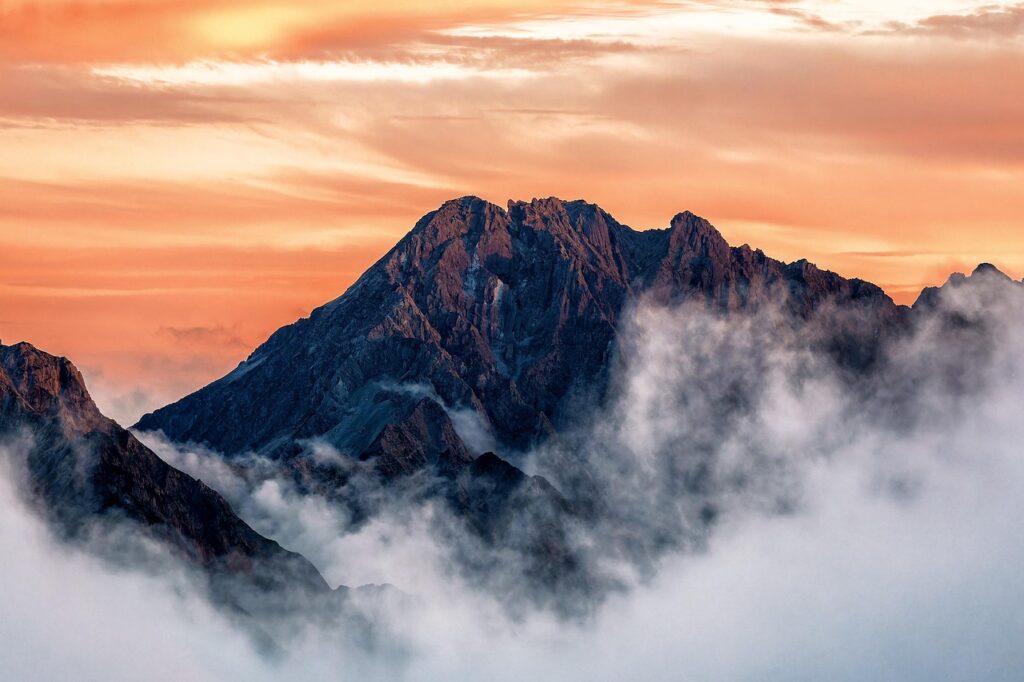
Aladaglar National Park offers the finest mountain walking in Turkey, a wilderness of granite peaks, green valleys, and glacier lakes that rewards hikers at every level. The trails range from gentle day walks along valley floors to multi-day treks over high passes and approaches to the great summits. Because the park is remote and lightly visited, you will often walk through valleys where the only company is the wind and the water. This guide covers the best trails around Aladaglar, their difficulty, the views they offer, and the practical notes that will keep your hike safe.
Trekking in the Aladaglar
The Aladaglar are crossed by a network of valley trails that link the edges of the park with the high lakes and passes. Most treks follow these valleys from one gateway to another.
The classic trek takes two to four days, camping in the high valleys, and it gives you the full range of the park: forests, meadows, lakes, and the great walls of the peaks.
The trails are not technically difficult, but they are long and high, and the remoteness means you must be self-sufficient and prepared.
For most hikers, the reward is the stillness of the high country, where the peaks rise around you and the days pass to the sound of streams. The gateway villages of Camardi and Cukurbag are where most treks begin, and both have agencies that can organize guides, transport, and supplies for the trail. Many trekkers combine the park with a visit to the underground cities or the monasteries of Cappadocia, which lie a few hours to the north.
The Yedigoller Loop
One of the most beautiful hikes in the park is the loop around the Yedigoller, the chain of small glacier lakes in the high valleys. The name means Seven Lakes.
The trail links the lakes with gentle climbs and descents, passing through meadows and beside the water, with the peaks reflected in every lake.
The walk takes a day or can be stretched with camping, and it is suitable for hikers with a moderate level of fitness.
In June and July, the meadows around the lakes are full of flowers, and the light on the water changes constantly, making this the most photogenic walk in the park. The loop can be walked in either direction, and the light falls differently on the lakes depending on the time of day, so there is no bad way to go.

The Sokullupinar Approach
The Sokullupinar valley is the classic southern approach into the heart of the Aladaglar. The trail starts near the village of Cukurbag and climbs through the green valley.
The walk follows the stream through poplar groves and meadows, gradually leaving the trees behind as the walls of the peaks rise ahead.
Camping areas along the valley make it possible to break the climb, and the views improve with every step.
This is the route taken by most trekkers and climbers, and it is the best introduction to the scale and beauty of the mountains. The valley is also where the mountain huts are concentrated, so trekkers can lighten their loads by sleeping under a roof for part of the route. The lower part of the valley is green and gentle, giving hikers a pleasant warm-up before the ground steepens toward the lakes.
The Emli Valley Circuit
The Emli valley, reached from the north, offers a quieter alternative to the busy southern approaches. It is one of the wildest and most beautiful valleys of the park.
A circuit walk climbs the valley, crosses a high pass, and returns through a neighboring valley, giving a full day of varied mountain scenery.
The route demands fitness and good weather, and the pass can hold snow well into summer, so check conditions before attempting it.
The rewards are the solitude, the views from the pass, and the sense of walking through a landscape that few people ever see. The approach road to the Emli valley is rougher than the others, and a four-wheel-drive vehicle or a local transfer is the practical way to reach the trailhead.

The Cimbar Gorge
The Cimbar gorge is the most dramatic short walk in the park, a deep cleft in the rock that leads toward the north faces of the highest peaks.
The trail follows the gorge between towering walls, with the stream far below and the sound of water echoing in the narrow space.
The gorge opens suddenly onto the high basin of the peaks, one of the most memorable reveals in Turkish mountain scenery.
The walk is long and rough in places, and it is best done with a guide or a clear plan, but it is an experience you will never forget. The gorge is at its best in the late afternoon, when the light enters the narrow space and the walls glow with color.
Routes Toward Demirkazik
The approaches to Demirkazik, the highest peak of the park, are the classic routes of Turkish mountaineering, and they also make spectacular hikes for strong walkers.
The trails climb through the high valleys and rocky basins to the foot of the mountain, where the great walls rise sheer to the summit.
Walking these approaches does not require climbing skills, but it does demand fitness, altitude experience, and early starts.
The views of the mountain from the high basins are among the finest in the park, and the approaches give you a real sense of the peak’s scale. Even if you do not reach the summit, walking to the foot of the mountain gives you a new respect for the climbers who attempt it.

The High Plateau Trails
Above the valleys, the park opens into high, grassy plateaus and rocky basins, crossed by trails that connect the different corners of the massif.
Walking the plateaus gives you the true alpine experience: wide views, thin air, and the peaks all around, with the plains of Turkey far below.
These routes are the domain of trekkers with several days to spend, and they reward them with the finest panoramas in the park.
The plateaus are also the summer grazing grounds of the wild goats, and patient walkers may see them moving across the slopes. The plateaus are also where you feel the altitude most, and walkers should be aware that the air is noticeably thinner above three thousand meters. Crossing the plateaus between valleys is the heart of the multi-day trek, and the passes between them carry the park’s finest views.
Difficulty and Preparation
The trails of Aladaglar divide into two levels: the valley walks, which suit fit beginners, and the high routes, which demand experience.
The valley trails are long but gentle, while the plateau routes involve altitude, rough ground, and changeable weather, so choose according to your experience.
Whichever you choose, prepare properly: good boots, warm layers, food, water, and a map are the minimum for any day in the park.
The remoteness is the real challenge, because help is far away, so walk within your limits and never rely on luck. In the high season, the weather can still be extreme, so always carry warm clothing even on the warmest days.
When to Trek and What to Bring
The trekking season runs from June to October. June brings flowers and snowmelt, July and August offer the most stable weather, and September is clear and cool.
Bring a tent if you plan to camp, along with a sleeping bag, stove, and food, because the park has no shops and the huts are basic.
Water is available in the valleys but should be treated or boiled, and you should carry a day’s supply with you on the higher routes.
Finally, bring sun protection, a warm jacket for the evenings, a headlamp, and a whistle, and let someone know your route and return date. A small repair kit for boots and equipment is useful, because a broken strap can end a trek in these remote valleys.
Safety in the Mountains
The mountains of Aladaglar are serious country, and safety begins with respect for the weather, which can change within an hour at any altitude.
Lightning is a real danger on the high ridges in summer storms, so start early and be off the exposed ground by the middle of the afternoon.
The streams run cold and fast with snowmelt, and the ground beside them is slippery, so cross only at safe points and keep children close.
Finally, travel with company, carry a first-aid kit, and turn back if conditions turn against you, because the mountains will still be here tomorrow. The local mountain guides know the park better than anyone, and their advice about routes and conditions is worth heeding.
Frequently asked questions
What is the Yedigoller loop?
The Yedigoller loop is a beautiful hike around the chain of glacier lakes in the high valleys of Aladaglar. The trail connects the lakes with gentle climbs and descents, passing meadows and water with the peaks reflected in every lake. The walk takes a day, or longer with camping, and it is suitable for hikers with moderate fitness. June and July are the most beautiful months.
Can beginners trek in Aladaglar?
Beginners can enjoy the valley trails, which are long but gentle and need no technical skills, as long as they are reasonably fit and well prepared. The high routes, over passes and plateaus, demand experience with altitude and rough ground and are not recommended for first-time trekkers. For anyone uncertain, hiring a guide is the safest and most rewarding way to experience the park.
Do I need a guide for Aladaglar trails?
For the main valley trails, an experienced walker with a map does not need a guide. For the high plateau routes, the passes, and the approaches to the peaks, a guide is strongly recommended, because the weather, the altitude, and the remoteness make mistakes costly. Guides also know the campsites, the water sources, and the safest routes, which adds greatly to the experience.

All Over Information
The All Over Information editorial team researches and writes practical English-language guides to Turkey. Facts are checked against official and local sources before publication, prices are published as dated ranges rather than quotes, and guides are revised when things change. We accept no sponsored posts, paid placements or paid links.
More guides like this
Ihlara Valley: Turkey’s Natural Wonder
Ihlara Valley is one of Turkey's most striking natural wonders, a deep green canyon hidden in the volcanic steppe south of Cappadocia.

Turkey’s Best Ski Resorts
Most travelers think of Turkey as a summer destination of beaches and ruins, but the country has a serious winter side.

The Pamukkale Thermal Pools: Turkey’s Natural Wonder
Pamukkale, the cotton castle, is one of Turkey's most extraordinary natural creations: a hillside of brilliant white terraces built by mineral-rich thermal…

Turkey’s Caves and Underground Cities Explained
Beneath the surface of central Turkey lies a hidden world that has fascinated travelers for centuries: vast underground cities, churches carved into…
Exploring Saklikent Gorge: A Complete Guide
Saklikent Gorge is one of the most extraordinary natural sites in Turkey, a deep slot canyon cut through the mountains where an…

Lake Van: Turkey’s Natural Wonder
Lake Van is the largest lake in Turkey and one of the great natural spectacles of the Middle East.