The food of Bodrum is the Aegean table at its finest, and the restaurants of the town and the peninsula serve it with the sea on the plate. The fish of the day, the mezes of the region, the rakı that accompanies them, and the mandarins and the olive oils of the peninsula — the local table is the daily pleasure of the Bodrum trip, and the restaurants range from the waterside fish houses to the village meyhanes. This guide covers the best of the local dining.
The Aegean Table: What to Eat in Bodrum
The Aegean table of Bodrum begins with the sea. The fish of the day — the sea bream, the sea bass, the red mullet, the sardines, the octopus and the calamari — comes simply grilled with the lemon, the olive oil, and the herbs, and the fish houses display the catch on the ice for the choosing; the mezes follow, the small plates that turn the meal into the feast — the haydari, the stuffed vine leaves, the grilled peppers, the octopus salad, the white cheese with the herbs, the fried zucchini — and the sharing of them is the custom; and the rakı, the anise spirit, is the traditional partner, sipped slowly with the water and the conversation through the long meal. The other staples of the region complete the table: the gözleme and the pide of the plateau traditions, the salads of the Aegean vegetables, and the honey, the olive oil, and the mandarins of the peninsula.
The practical eating notes: the meze-heavy meal is the authentic way to eat, and the ordering of the many small plates rather than the single dish is the local habit; the fish is priced by the weight, and the asking of the price before the ordering avoids the surprises; and the timing of the dinner — later than the northern habits, with the tables filling from eight — is the local rhythm. The Aegean table of Bodrum is the trip’s daily highlight, and the knowing of it makes the eating the pleasure.
The Fish Houses of Gümüşlük
The fish houses of Gümüşlük are the pilgrimage of the Bodrum food scene, and the village at the end of the peninsula is worth the trip for the lunch or the dinner alone. The restaurants line the water’s edge of the little harbor, the tables set on the decks and the pontoons over the bay, and the catch of the day arrives straight from the boats; the setting is the classic one — the islands of the bay, the sunken city below the water, the sunset turning the sea golden — and the meal, the grilled fish with the mezes and the rakı, tastes of the place. The fish houses of Gümüşlük serve the freshest fish of the peninsula, and the atmosphere is the reason the village fills through the season.
The practical Gümüşlük notes: the waterfront tables are the sought-after ones, and the booking — especially for the sunset — is the essential in the high season; the fish is priced by the weight, and the mezes and the salads make the meal; and the lunch is the calmer version of the same experience, with the light on the bay and the village quiet. The fish houses of Gümüşlük are the essential Bodrum meal, and the sunset dinner there is the memory that the trip sells.

The Meyhanes of the Old Town
The meyhanes of the old town give the rakı-table experience that defines the Aegean evening. The meyhane is the traditional tavern — the stone room or the shaded courtyard, the mezes spread across the table, the rakı poured with the water and the ice, and the music and the conversation rising through the evening; the meyhanes of Bodrum’s old quarter range from the classic, family-run rooms to the modern interpretations, and the atmosphere — the lanterns, the shared tables, the endless meze rounds — is the point. The meyhane evening is the slow one, the three or four hours of the eating and the drinking and the talking that the Aegean does best.
The practical meyhane notes: the mezes arrive in the waves, and the ordering continues through the evening rather than at the start; the rakı is the strong spirit, and the slow sipping with the food is the custom; and the music — the Turkish classical and the folk — builds as the night deepens, with the singing and the clapping of the tables the sign of the good meyhane. The meyhanes of the old town are the soul of the Bodrum night, and the rakı-table evening is the essential local experience.
The Seafood Restaurants of the Harbor
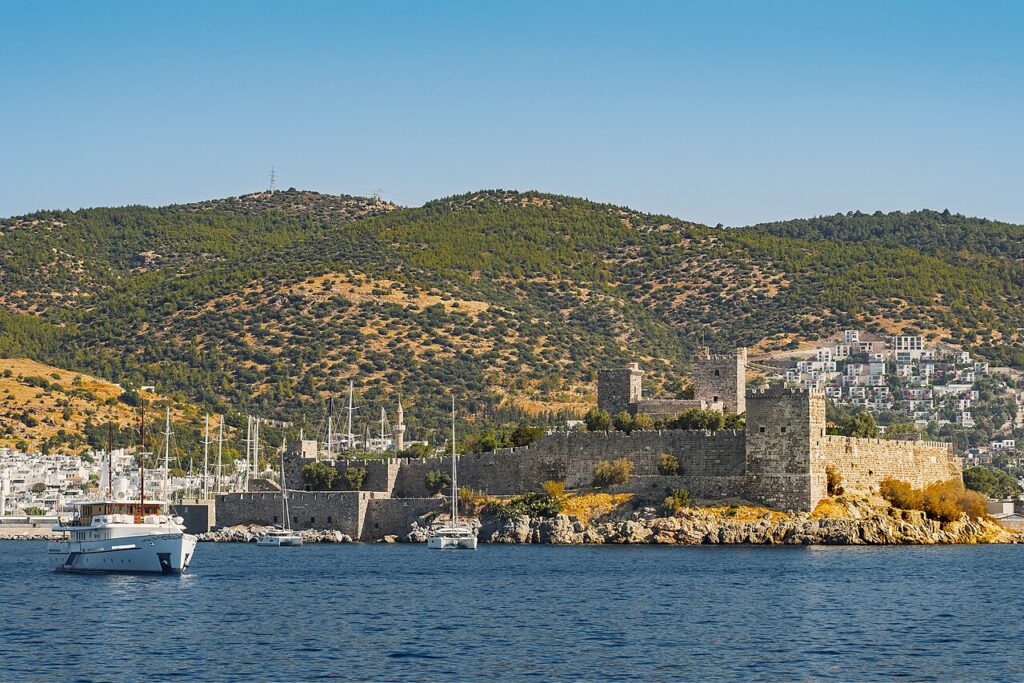
The seafood restaurants of the harbor give the front-row tables over the marina, and the dining there is the classic Bodrum evening. The restaurants line the waterfront of the old harbor, the tables with the view over the yachts and the castle lit against the dark, and the menus follow the Aegean standard — the fish of the day, the seafood platters, the mezes, the salads; the harbor dining is the glitzier version of the fish house, with the prices to match, and the atmosphere — the boats, the lights, the passing crowds — is the draw. The harbor restaurants are the choice for the special evening, and the marina views are the backdrop of the meal.
The practical harbor notes: the waterfront tables are the premium ones, and the booking ahead is the essential through the season; the prices run higher than the village fish houses, and the menu and the fish-by-weight prices deserve the scrutiny; and the evening stroll along the marina before or after the dinner completes the experience. The seafood restaurants of the harbor are the glamorous Bodrum table, and the meal over the yachts is the town at its most polished.

The Village Restaurants of the Peninsula
The village restaurants of the peninsula — beyond the famous Gümüşlük — give the local dining that the town misses. The villages of Bitez, Türkbükü, and Yalıkavak hold the restaurants that the residents and the in-the-know travelers frequent: the simple fish houses of Bitez with the family tables, the stylish restaurants of Türkbükü that have made the village the dining destination of the Aegean, and the waterfront places of Yalıkavak with the marina views; the menus follow the regional standard, and the settings — the village squares, the harbors, the terraces over the bays — give each meal its character. The village restaurants are the way to eat like the locals, and the dolmuş or the car is the transport.
The practical village notes: the restaurants of Türkbükü are the fashionable ones, and the booking and the dress matter; the Bitez fish houses are the simpler and the cheaper, with the family atmosphere; and the Yalıkavak waterfront is the marina dining, with the prices of the yachting crowd. The village restaurants of the peninsula are the spread of the Bodrum table, and the village hopping for the meals is the pleasure of the longer stay.
The Lokantas and the Everyday Eats
The lokantas of Bodrum give the everyday eating that the traveler should not miss. The lokanta is the working-person’s restaurant — the glass counters of the ready dishes, the daily specials, the soups and the stews, the grilled meats and the rice, the simple mezes — and the meals there are the cheapest and the most local of the trip; the lokantas of the town serve the lunchtime crowds, and the plates are the honest, filling, home-style cooking of the region. The lokanta meal is the window into the daily life of Bodrum, and the traveler who eats there eats where the locals eat.
The practical lokanta notes: the lunch is the lokanta’s time, with the dishes at their freshest and the prices at their kindest; the ordering is the pointing at the counters, and the plate of the day is the safe and the delicious choice; and the servings are the generous ones, and the sharing suits the light appetites. The lokantas of Bodrum are the everyday table, and the meal there balances the fancy dinners of the trip.

The Sweets and the Treats
The sweets of Bodrum close the local table, and the treats of the region deserve the room. The baklava of the Turkish tradition, the künefe with its melted cheese and its syrup, the dondurma of the region, and the fruit of the peninsula — the mandarins of Bodrum, the figs, the melons — make the desserts and the snacks of the trip; the patisseries and the ice-cream parlors of the town serve them, and the Turkish coffee and the çay accompany them through the afternoons. The sweet treats of Bodrum are the small pleasures of the day, and the mandarin — the symbol of the region — is the taste that the travelers remember.
The practical sweet notes: the künefe is the warm, the cheesy, the syrupy indulgence best shared; the dondurma is the dense, stretchy ice cream of the Turkish style; and the mandarins of Bodrum, in season through the winter, are the region’s gift, eaten fresh and juiced throughout the peninsula. The sweets and the treats of Bodrum are the sweet end of the local table, and the small indulgences punctuate the trip.
The Practical Dining Guide
The practical guide to the Bodrum dining scene comes down to the few rules. The booking: the waterfront and the popular restaurants fill through the season, and the reservation — days ahead for the special tables — is the essential. The timing: the dinners run late, and the earlier tables give the sunset views that the later ones miss. The budget: the range is the wide one, from the lokanta lunches to the harbor dinners, and the mixing of the levels is the smart way to eat well and manage the costs. And the etiquette: the dress is the smart-casual for the evening restaurants, the tipping is the small gesture — the ten percent or the rounding up — and the enjoyment of the long meal is the point, because the Aegean table is the slow one, and the rushing of it misses the pleasure.
The Takeaway
The best restaurants of Bodrum span the fish houses of Gümüşlük, the meyhanes of the old town, the harbor seafood tables, the village restaurants of the peninsula, and the honest lokantas of the everyday. Eat the mezes, order the fish of the day, sip the rakı slowly, and save the room for the künefe. The Aegean table of Bodrum is the daily highlight of the trip, and the meals there are the memories that the photographs cannot capture.
Frequently asked questions
What food is Bodrum known for?
The Aegean seafood — the fish of the day, the octopus, the calamari — the meze spread, the rakı table, and the mandarins of the peninsula.
What is the best restaurant in Bodrum?
The fish houses of Gümüşlük are the essential experience, and the meyhanes of the old town give the classic rakı-table evening.
How much does a meal cost in Bodrum?
The range is wide: the lokanta lunches are the cheapest, the village fish houses the middle, and the harbor restaurants the priciest.
Do I need to book restaurants in Bodrum?
Yes, through the season — the waterfront and the popular tables fill, and the booking days ahead is the safe course.
Is the fish in Bodrum expensive?
The fish is priced by the weight and runs the higher end of the menu, but the mezes and the salads make the affordable and the filling meal.

All Over Information
The All Over Information editorial team researches and writes practical English-language guides to Turkey. Facts are checked against official and local sources before publication, prices are published as dated ranges rather than quotes, and guides are revised when things change. We accept no sponsored posts, paid placements or paid links.
More guides like this
How to Get to Bodrum from Istanbul
The journey from Istanbul to Bodrum is the well-trodden path of the Turkish coast, and the options — the flight, the bus,…

Family-Friendly Activities in Bodrum
Bodrum is a family destination that delivers on every level: the beaches are safe and shallow, the castle is a genuine adventure…
Shopping Guide: What to Buy in Bodrum
The shopping of Bodrum spans the two sides of the town: the traditional bazaar wares of the old quarter — the kilims,…
Bodrum on a Budget: Money-Saving Travel Tips
Bodrum has a reputation for glamour, but the town that hosts the superyachts also serves the budget traveler generously.
A Solo Traveler’s Guide to Bodrum
Bodrum is one of the friendliest solo destinations on the Turkish coast: the town is safe, walkable, and sociable, and the mix…
Hidden Gems of Bodrum Most Tourists Miss
Bodrum shows its famous face to everyone — the castle, the marina, the beach clubs — but the town and the peninsula…