Bodrum has a reputation for glamour, but the town that hosts the superyachts also serves the budget traveler generously. The secret is the layering: the old town pensions instead of the harbor hotels, the lokantas instead of the waterfront restaurants, the dolmuşes instead of the taxis, and the public beaches instead of the beach clubs. This guide shows how to see the real Bodrum without the resort prices.
The Accommodation: The Pensions and the Guesthouses
The accommodation is where the Bodrum budget is won or lost, and the pensions of the town deliver the savings. The family-run pensions of the old town and the side streets give the clean, simple rooms — often with the breakfast included and the terrace views over the bay — at the fraction of the hotel prices; the guesthouses and the small family hotels of the town repeat the pattern, and the hostels add the dormitory beds for the solo budget travelers; the self-catering apartments, shared among the group or the family, give the kitchen and the space that cut the food costs further. The pension stay places the traveler in the real town, with the savings freed for the experiences.
The practical accommodation notes: the booking ahead — especially for the summer — is the essential, because the budget rooms fill first; the pensions of the town beat the resort prices of the peninsula, and the walkability saves the transport; and the breakfast included is the standard of the pensions, making the morning meal the covered one. The pensions of Bodrum are the budget traveler’s base, and the savings they deliver fund the trip.
The Transport: The Dolmuş and the Walking
The transport of the budget Bodrum visit is the dolmuş and the walking, and both are nearly free. The dolmuş — the shared minibus of the Turkish towns — runs the length of the peninsula from the Bodrum bus station, connecting the town to Bitez, Türkbükü, Yalıkavak, and Gümüşlük at the token prices, and the town itself is the walkable one, with the castle, the old town, the theatre, and the beaches within the walking distance; the walking covers the center, and the dolmuş covers the peninsula, and the combination removes the taxi and the rental car from the budget. The local bus networks extend the reach to the wider region at the similar prices.
The practical transport notes: the dolmuş stops are the flexible ones, and the waving down and the calling out stop anywhere along the routes; the last dolmuşes run through the evening, and the late nights may need the taxi, the budget’s occasional splurge; and the ferry to the Greek islands is the day-trip splurge that the budget traveler can time for the value. The dolmuş and the walking of Bodrum are the free movement, and the traveler who masters them spends on the experiences rather than the transport.

The Eating: The Lokantas and the Markets
The eating of the budget Bodrum visit follows the locals, and the lokantas deliver the meals that the waterfront prices cannot match. The lokantas of the town — the working restaurants with the glass counters of the ready dishes — serve the soups, the stews, the grilled meats, the rice, and the simple mezes at the honest prices, and the lunch there is the cheapest full meal of the trip; the market stalls and the grocery stores supply the picnic supplies — the bread, the cheese, the olives, the fruit of the peninsula — for the beach lunches and the boat days; and the street food — the gözleme, the simit, the dondurma — fills the gaps deliciously. The eating of the budget Bodrum is the local table, and the lokanta and the market make it the cheap one.
The practical eating notes: the lunch at the lokanta is the value meal, with the dishes at their freshest; the picnic habit saves the daily restaurant lunch, and the beach and the boat days are the perfect picnic days; and the tap water is the avoided one, with the bottled water and the çay the cheap drinks. The lokantas and the markets of Bodrum are the budget table, and the meals there leave the room in the wallet for the fish-house splurge.
The Free and the Nearly Free: The Sights
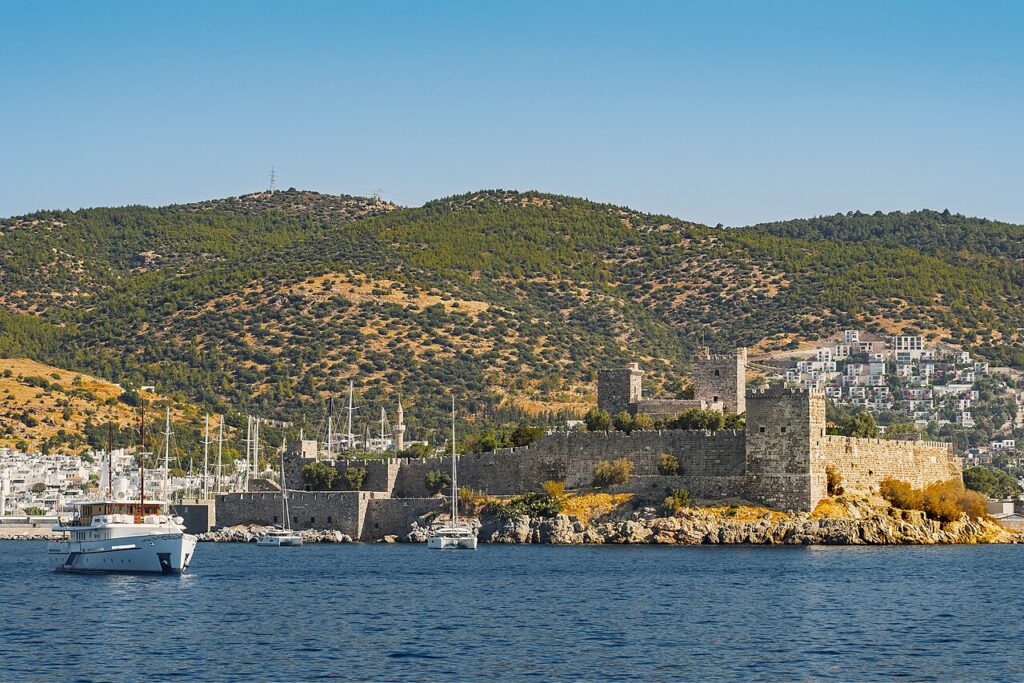
The sights of the budget Bodrum visit are the free ones, and the town gives plenty. The old town lanes, the windmill hill, and the sunset viewpoints cost nothing and give the classic Bodrum frames; the public beaches of the town and the peninsula are free to swim from, with the sunbeds the optional and the bring-your-own-towel the free way; the wander through the marina, the harbor, and the daily life of the town is the free attraction of the trip; and the dolmuş ride to the end of the peninsula for the Gümüşlük sunset is the nearly free excursion. The paid highlights — the castle, the museum, the theatre — are the modest tickets, and the timing of the visits to the free hours and the free days stretches the budget.
The practical sight notes: the castle and the museum are the worth-the-ticket exceptions, and the combination tickets and the student discounts reduce the costs; the beach day with the picnic, the book, and the swim is the classic free day; and the sunset viewpoints — the windmill hill, the castle hill, the Gümüşlük bay — are the daily free show. The free and the nearly free of Bodrum are the town’s generosity, and the budget traveler who finds them sees the real Bodrum.

The Boat Trips: The Budget Ways to the Sea
The boat trips of Bodrum are the splurge-worthy experiences, and the budget traveler has the ways to take them cheaply. The shared boats — the larger gulets and the boats that take the mixed groups — sell the day trips at the per-person prices that undercut the private charters by the multiples, and the half-day versions cost the half; the timing of the booking — the last-minute spaces, the weekday departures — finds the better prices; and the public ferries and the local boats, where they run, carry the passengers at the transport prices rather than the tour prices. The boat trip is the Bodrum essential, and the shared boat makes it the budget-accessible one.
The practical boat notes: the shared day trips include the lunch and the swimming stops, and the per-person price is the budget way; the comparison of the boats at the harbor — the prices and the routes posted at the piers — finds the value; and the bringing of the own snacks and the own towel trims the on-board extras. The shared boats of Bodrum are the budget sea experience, and the day on the water is the trip’s highlight at the tour’s fraction.
The Timing: The Seasons and the Days
The timing of the budget Bodrum visit is the biggest saving of all. The high season — the summer months — brings the peak prices for the accommodation, the flights, and the tours, and the shoulder seasons — the late spring and the early autumn — give the same Bodrum at the reduced prices, with the weather still warm and the sea still swimmable; the winter drops the prices further, and the town, quieter and chillier, gives the year’s cheapest stay; and within the season, the weekday rates and the last-minute deals shave the costs. The flexible traveler who chooses the timing saves the hundreds.
The practical timing notes: the late May and the September-October windows give the balance of the weather and the prices; the winter stay suits the travelers who want the quiet town and the low prices, with the castle and the sites still open; and the flight comparison — the Istanbul connections, the budget airlines, the midweek departures — finds the transport savings. The timing of the Bodrum visit is the budget traveler’s first tool, and the shoulder seasons are the sweet spot.
The Money-Saving Extras
The small savings of the Bodrum visit add up through the trip. The cash is the budget tool — the lira bought at the exchange offices and the ATMs beats the card rates at the small places, and the cash smooths the dolmuşes and the markets; the free water refills and the çay breaks replace the expensive drinks; the combination and the student tickets reduce the sight costs; and the local events — the free concerts of the summer, the village festivals, the public celebrations — fill the evenings without the club prices. The budget traveler of Bodrum also embraces the peninsula’s cheapness: the village beaches are free where the town clubs charge, and the sunset at Gümüşlük costs the dolmuş fare.
The practical extras: the shopping is the budget danger, and the markets of the town give the souvenirs at the bargaining prices; the alcohol, where consumed, is the cheaper bought at the shops rather than the bars; and the tipping, the small and the optional, rounds up the bills without the strain. The money-saving extras of Bodrum are the small disciplines, and the sum of them is the significant saving.
The Sample Budget
The sample budget of the budget Bodrum visit runs the modest course. The pension room: the equivalent of thirty to sixty dollars a night in the shoulder season, shared among the two or the three to halve the cost. The food: the ten to twenty dollars a day for the lokanta meals, the market picnics, and the street snacks, with the occasional fish-house splurge. The transport: the few dollars a day for the dolmuşes, with the walking free. The sights and the boat: the twenty to forty dollars for the castle and the museum tickets and the shared boat day. And the total: the seventy to a hundred and twenty dollars a day per person, or the less with the shared rooms and the disciplined eating — the real Bodrum at the fraction of the resort reputation.
The Takeaway
The budget Bodrum is the real Bodrum: the pension in the old town, the lokanta lunches, the dolmuş rides, the free beaches and the sunsets, and the shared boat on the water. Choose the shoulder season, book the pension ahead, eat where the locals eat, and let the town’s generosity do the rest. The glamour is optional in Bodrum, and the traveler who skips it finds the town beneath — the one the jetset crowds never see.
Frequently asked questions
Is Bodrum expensive to visit?
It can be, but the budget traveler manages it well — the pensions, the lokantas, the dolmuşes, and the free sights give the real Bodrum at the modest cost.
How much money do I need per day in Bodrum?
Seventy to a hundred and twenty dollars per person covers the budget stay — the room, the food, the transport, and the sights — with the shared rooms and the lokanta meals cutting it further.
What is the cheapest time to visit Bodrum?
The shoulder seasons of the late spring and the early autumn, and the winter for the year’s lowest prices.
Is Bodrum cheaper than the other Turkish resorts?
It runs the middle to the higher range among the Turkish coasts, but the budget options of the town bring the costs down to the competitive level.
What are the best free things to do in Bodrum?
The old town wander, the windmill hill at sunset, the public beaches, the marina stroll, and the Gümüşlük sunset from the dolmuş.

All Over Information
The All Over Information editorial team researches and writes practical English-language guides to Turkey. Facts are checked against official and local sources before publication, prices are published as dated ranges rather than quotes, and guides are revised when things change. We accept no sponsored posts, paid placements or paid links.
More guides like this

A Foodie’s Guide to Bodrum
For the food traveler, Bodrum is the Aegean at its most generous: the fish of the day, the mezes of the region,…

Nightlife Guide to Bodrum
The nightlife of Bodrum is famous, and for the good reasons: the town that hosts the yachts and the jetset knows how…
Where to Stay in Bodrum: Neighborhood Guide
Choosing where to stay in Bodrum shapes the whole trip, because the town and its peninsula offer distinctly different experiences within the…
History and Culture of Bodrum
Bodrum carries one of the deepest histories of the Turkish coast, and the town that is known for its yachts and its…
48 Hours in Bodrum: The Perfect Itinerary
Two days in Bodrum is enough to taste everything the town offers — the ancient heritage, the castle, the sea, the peninsula,…

Best Local Restaurants in Bodrum
The food of Bodrum is the Aegean table at its finest, and the restaurants of the town and the peninsula serve it…