Sisli eats the way the modern city lives — a full range of tables from the fashionable to the working, the fine dining of Nişantaşı and the lokantas of the side streets, the patisseries and the cafes and the kebab houses, the fish restaurants and the meyhanes where the city’s residents actually eat. The district’s restaurant life is its daily life, and the honest tables are where the locals queue. This guide walks through the district’s food in its natural categories — the lokanta lunch, the kebab houses, the fish tables, the fashionable dining, the patisseries, and the new quarter — so you can eat Sisli the way the city does.
The Lokanta Lunch: The Working Tables
The heart of Sisli’s food is the lokanta — the working-class cafeteria-restaurant of the side streets where the day’s dishes sit in steel trays behind glass and the price is written on the wall. The lunch crowd queues at the door by one o’clock; you point at what looks good, take the rice and the salad that come with it, and finish with the day’s pudding. The dishes are the home cooking of the city — the stews and the vegetable dishes, the beans and the rice, the meatballs and the chicken — and the quality is exactly what the district’s own workers demand. A full lokanta lunch in Sisli costs less than a coffee in Nişantaşı, and it is the most authentic meal in the district. The rule of the lokanta is the rule of the whole city: follow the queue.
The Kebab Houses: The Street Tables
The kebab houses of Sisli’s side streets and avenues are the district’s working dinner — the open grills, the charcoal smoke, the queues at the evening hour. The standards are the city’s standards: the döner carved from the vertical spit, the şiş kebab of the grilled meat, the Adana and the Urfa of the spiced ground meat, the pide from the stone oven. Order like a local: the kebab with the grilled peppers and the tomato, the ayran to drink, the baklava after. The best of the district’s houses have been feeding the same families for decades, and their regulars will tell you exactly what to order — the kebab house is the neighborhood institution, and the table is part of the district’s life.

The Fish Tables: The Meze Spreads
The fish restaurants of Sisli — the meyhanes of the side streets and the fish houses of the avenues — are the district’s celebration tables, where the meal is a ritual rather than a necessity. The meze comes first, in the small plates that cover the table: the white bean salad, the grilled octopus, the haydari, the stuffed vine leaves, the fish of the day prepared simply with lemon and olive oil. The raki follows for those who drink; the conversation runs long; and the evening stretches into the night the way the city’s evenings do. The meyhane is the most social table in the district — the place where the city’s residents celebrate — and for the traveler who wants the Istanbul of the long dinner, it is the essential experience.
The Fashionable Tables: Nişantaşı Dining
Nişantaşı’s restaurants are the fine dining of modern Istanbul — the tables where the city’s style eats. The range runs from the elegant restaurants of the main streets to the small chef-led rooms of the side streets, and the cuisine is the city’s contemporary food: the modern Turkish cooking that reworks the old recipes, the international kitchens of the city’s cosmopolitan life, the brunch houses that made the quarter famous. The character is the fashion district’s own: the beautiful rooms, the well-dressed crowds, the wine lists and the tasting menus. It is the district’s most expensive eating and its most memorable — the dinner that the rest of the trip will be measured against. Book ahead; the fashionable tables of Nişantaşı are the hardest reservations in the district.

The Patisseries and the Cafes: The Sweet Life
Sisli’s sweet life is the patisserie — the pastry shops of Nişantaşı and the fashionable streets where the city’s style meets its sweet tooth. The cases hold the French pastries and the Turkish classics side by side: the baklava of the good houses, the künefe and the sutlac, the cream cakes and the éclairs, the chocolate work of the city’s finest patissiers. The ritual is the afternoon — the cake and the coffee in the elegant room, the crowds of the quarter around you. The cafes of the district are the same world at the other end of the day: the coffee bars of the side streets, the Turkish coffee and the espresso, the meeting rooms of the city’s social life. The patisserie and the cafe are the smallest meals on this list and the most characteristic.
The New Quarter: Bomonti
The great brewery building of Bomonti, the old industrial quarter west of the center, now houses the district’s newest food — the restaurants and the bars of the converted brick, the brasserie tables and the pizza ovens and the craft beer halls of the city’s young life. The streets around the brewery have filled with the cafes and the small restaurants of the creative class, and the quarter’s evenings are the district’s most fashionable new scene. It is the food of the new Istanbul — the international kitchens, the casual tables, the beer and the small plates — and for the traveler who wants the current edge of the city’s dining, Bomonti is the quarter. The brewery halls are the landmark, but the side streets are the discovery.

The Street Food: The Fast Life
Sisli’s street food is the district’s fast life — the simit carts at the metro stations, the chestnut and the corn vendors on the corners, the midye dolma stalls of the evening, the döner stands of the late night. The simit — the sesame bread ring of the city — is the essential snack, fresh from the cart’s box with the tea from the stand beside it; the midye — the stuffed mussels of the evening stalls — is the late-night classic; the döner wrap is the working lunch of the whole district. The street food is the cheapest eating in Sisli and the most immediate — the city’s food without the table, eaten on the move the way the district’s own residents eat it.
The Practical Notes
A few things make the eating easier. The lokanta lunch is the value: the working tables of the side streets are the best meal in the district at any price — follow the queue at one o’clock. The meyhane runs long: the fish tables of the side streets are celebrations, and the evening is the meal — leave the night free. The fashionable tables need bookings: the restaurants of Nişantaşı fill up, especially on weekends — reserve ahead. The street food is the snack: the simit and the midye are the between-meal life of the district, fresh and cheap at any hour. And the drink is the city’s: the tea with the lokanta meal, the ayran with the kebab, the raki with the meze — each table has its proper companion.

The Coffee: The City’s Ritual
No meal in Sisli is complete without the coffee, and the district does the city’s ritual properly. The Turkish coffee arrives in its small cup with the glass of water and often a piece of lokum — the grounds settling, the foam on top, the strength of the brew a matter of personal taste declared in advance. The ritual is unhurried: the coffee is drunk slowly, the conversation runs, and the fortune in the grounds — read by tilting the cup — is the traditional ending to the table. The patisseries of Nişantaşı and the coffee bars of the side streets all serve it; the working cafes of the district serve it with the tea and the day’s news; and the wise visitor takes it at least once a day, at the hour the city takes it — the pause between the shopping and the evening, the small ceremony that the district’s tables exist around.
The Takeaway
The food of Sisli is the district in edible form — the working lokantas and the kebab houses, the celebration meyhanes and the fashionable tables, the patisseries and the cafes, the new halls of Bomonti and the street food of the corners. Eat it the way the city does: the lokanta lunch, the kebab dinner, the meze celebration, the baklava afternoon — and you will have eaten the modern Istanbul, the city’s daily life at its most delicious, at the tables where the district’s own residents queue.
Frequently asked questions
What is the cheapest good meal in Sisli?
The lokanta lunch — the working tables of the side streets serve a full meal for less than a coffee in Nişantaşı.
Where do locals actually eat?
The lokantas for lunch and the kebab houses and meyhanes for dinner — the tables of the working streets, where the queues are the recommendation.
Is there fine dining in Sisli?
Yes — the restaurants of Nişantaşı are the fine dining of modern Istanbul, with the city’s most fashionable tables and its most memorable dinners.
Is the street food safe?
Yes — the simit and the midye and the döner of the district’s stalls are the daily food of the city, fresh and busy at every hour.
What should I order?
The lokanta’s dish of the day, the kebab with the grilled peppers, the meze spread at the fish table, the baklava at the patisserie — the classics, at the tables that do them best.

All Over Information
The All Over Information editorial team researches and writes practical English-language guides to Turkey. Facts are checked against official and local sources before publication, prices are published as dated ranges rather than quotes, and guides are revised when things change. We accept no sponsored posts, paid placements or paid links.
More guides like this
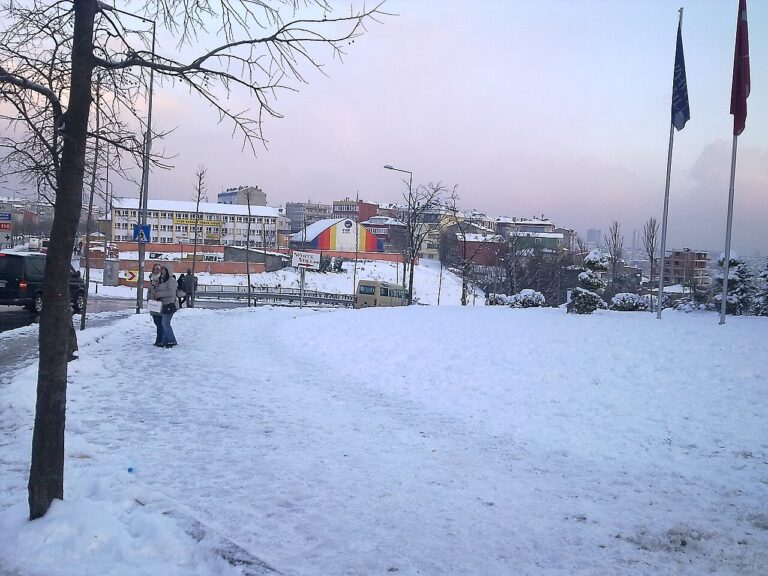
Sisli in Winter: What to Expect
Winter changes Sisli the way it changes every city, but the district takes the season better than most.
A First-Timer’s Guide to Sisli
Sisli is the Istanbul that most first-time visitors never plan to see — and the one they should.
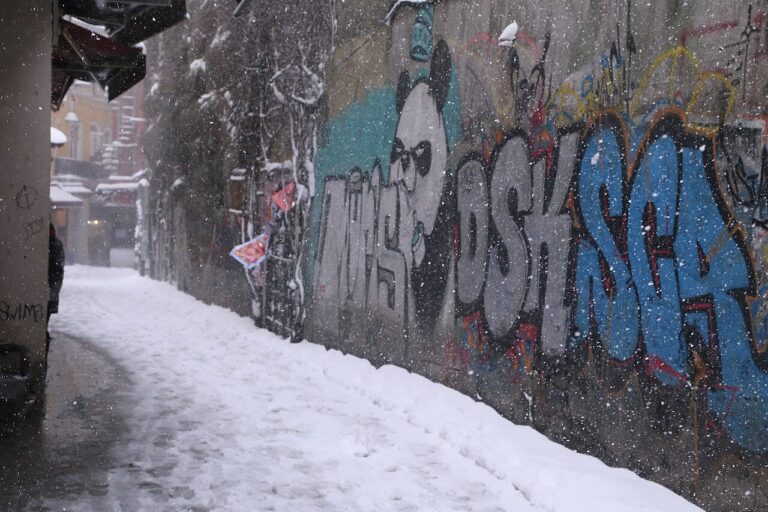
Best Time of Year to Visit Sisli
Sisli is a year-round district — the malls and the stages, the fashion and the food run through all four seasons —…

Shopping Guide: What to Buy in Sisli
Sisli is the shopping capital of Istanbul — the district where the city's commerce lives.

Photography Spots in Sisli You Can’t Miss
Sisli is the photographer's modern city — the towers and the avenues, the fashion streets and the old apartment blocks, the green…
Where to Stay in Sisli: Neighborhood Guide
Sisli is the modern heart of Istanbul, and it makes a strong base for the city — the metro connects it to…