Sisli sits at the heart of Istanbul’s modern transport network — the metro lines, the bus routes, and the airport connections all converge on the district — which makes getting there the easiest part of the visit. From the airports, the old city, the Asian side, and the Bosphorus, the routes are simple, fast, and cheap, and the district’s own stations put the traveler at the center of the city within minutes. This guide covers every route into Sisli — the airports, the old city, the Asian side, and the connections beyond — with the lines, the times, and the tricks of each.
From Istanbul Airport (IST): The Metro Route
The main airport of the city, Istanbul Airport, connects to Sisli by metro in about forty minutes — the simplest airport route in the city. The M11 line runs from the airport to Kağıthane, where a change to the M7 carries you to the district’s stations — the M7’s stops reach the western edge of Sisli, and the connection to the M2 at the transfer points opens the whole district. The route is one card and two trains; the stations of the district are a short walk from the hotels and the quarters. The alternative is the taxi — forty minutes to an hour depending on the traffic, and substantially more expensive — or the HAVAIST airport shuttle, which runs from the airport to the city’s main hubs, with the metro or a short taxi covering the last stretch. For most travelers, the metro is the answer: cheap, fast, and traffic-proof.
From Sabiha Gökçen (SAW): The Two-Side Route
The city’s second airport, on the Asian side, connects to Sisli by public transport in about an hour — the M4 metro from the airport to the Asian side’s main transfer, the Marmaray under the Bosphorus to the European side, and the metro onward to the district. The route is longer than the IST route but scenic: the underwater crossing of the Marmaray, the old city glimpsed through the tunnel’s brief openings, the city’s two sides connected in minutes. The alternative is the taxi — an hour or more depending on the traffic, and the city’s most expensive ride — or the HAVAIST shuttle to the European side with the metro for the last stretch. The Sabiha route rewards the traveler with the crossing itself, and the hour passes quickly.

From the Old City: The Ten-Minute Metro
The old city — Sultanahmet, the Grand Bazaar, the monuments of the peninsula — connects to Sisli by the M2 metro in about ten minutes. The line runs north from the old city’s stations through the heart of the modern district: the stations of the M2 — Osmanbey, Şişli, and the cultural quarter’s stops — put the traveler at the center of Sisli within minutes of the monuments. The route is the city’s spine: the two Istanbuls — the old and the modern — connected by a single line, the metro the fastest and easiest link between them. For the traveler basing in Sisli, the old city is a morning’s commute; for the traveler visiting the district from the old city, Sisli is a ten-minute ride away. The M2 is the essential route of the city, and it is the route into the district.
From Taksim: The Walk and the One Stop
The neighboring district of Taksim — the square, the Istiklal avenue, the cultural life of the old Beyoğlu — connects to Sisli two ways, and both are the district’s classic introductions. The walk: the great avenue runs north from Taksim Square through the heart of Sisli, half an hour at a strolling pace, past the shops and the cafes of the modern city — the walk that shows the district whole. The metro: the M2 runs the same line in a single stop, two minutes from Taksim to the district’s stations. The choice is the traveler’s: the walk for the introduction, the metro for the speed. Either way, Taksim and Sisli are effectively one district, divided by a walk and joined by a line.

From the Asian Side: The Ferry and the Metro
The Asian side — Kadıköy, Üsküdar, the life of the eastern shore — connects to Sisli by the ferry and the metro, and the combination is the city’s most scenic route. The ferries cross the Bosphorus from the Asian piers to the European side — the crossing itself the city’s great view, the gulls and the water and the skyline — and the metro from the European piers runs to the district’s stations in minutes. The route is the tourist’s classic: the ferry for the view, the metro for the speed, the two Istanbuls joined by the water the city is built around. The ferry runs frequently through the day, the card covers both legs, and the whole crossing takes less than an hour. For the traveler coming from the Asian side, it is the way to arrive.
The District’s Own Transport: The Local Network
Once in Sisli, the district’s own network takes over. The M2 runs the district’s spine — the stations of Osmanbey, Şişli, and the cultural quarter — and connects to every other line of the city. The M7 runs the district’s western edge, connecting to the airport line and the west of the city. The buses thread the avenues and the quarters, the routes of the working district reaching where the metro does not. The dolmuş — the shared taxis of the city — run the classic routes along the avenues, the quick and cheap rides of the district’s daily life. And the walking is the district’s real transport: the quarters are compact, the avenues connect them, and the visitor who walks between the stations sees the district whole. The Istanbulkart covers the whole network — one card, every mode, the district at the traveler’s feet.

The Practical Notes
A few things make the routes smooth. The Istanbulkart is the first purchase: buy it at any station, load it once, and it covers the metros, the ferries, the buses, and the trams — the whole city on one card, at the fraction of the taxi price. The M2 is the spine: the line through the district connects to everything — learn the stations of Osmanbey, Şişli, and the cultural quarter and the district is yours. The traffic is the enemy: the taxis sit in the city’s traffic while the metro runs beneath it — for the speed and the price, the rail wins. The rush hours are real: the metro fills at the morning and the evening peaks — travel outside them when the schedule allows. And the crossing is the sight: the ferries and the Marmaray are the city’s great views — take the water when the time allows, and the route becomes the destination.
The Night Connections: The Late Hours
The transport of the district runs late, and the night connections cover the late arrivals and the long evenings. The metro runs past midnight on the main lines — the M2 and the M7 carrying the late travelers through the district — with the night reduced and the weekend service extended. The night buses take over after the metro closes: the routes of the city’s night network, running through the district to the old city and the airports’ shuttles. The taxis are at the ranks of the district’s main points at all hours, the standard city taxis of the well-lit avenues. And the ferries run to the late hours on the main lines, with the reduced frequency of the night schedule. The practical notes: know the last metro, carry the card for the night buses, and keep the taxi app ready for the late hours — the district’s transport covers the night, and the traveler who knows the last connections moves through it easily.

The Takeaway
Getting to Sisli is the city’s easiest journey — the metro lines from the airports, the ten-minute ride from the old city, the ferry and the rail from the Asian side, the walk from Taksim, and the district’s own network once you arrive. The routes are simple, fast, and cheap, and the Istanbulkart covers them all. The district sits at the heart of the city’s transport, the stations at the center of the modern Istanbul — arrive by the metro from the airport, ride the M2 from the monuments, cross by the ferry from the Asian side, and the district opens at your feet, the base for the whole city.
Frequently asked questions
What is the fastest way from Istanbul Airport to Sisli?
The metro — the M11 to Kağıthane, the M7 to the district, about forty minutes, cheap and traffic-proof.
How do I get from the old city to Sisli?
The M2 metro — about ten minutes from the old city’s stations to the district’s heart, the city’s two Istanbuls on one line.
Is the taxi worth it from the airport?
Only for the door-to-door convenience and the heavy luggage — the metro is faster in the traffic and a fraction of the price.
How do I get from the Asian side?
The ferry across the Bosphorus, then the metro from the European piers — the scenic route, about an hour, the crossing the best view of the city.
Do I need a car in Sisli?
No — the metro, the buses, the ferries, and the walking cover the district and the city, and the traffic makes the car the slowest option.

All Over Information
The All Over Information editorial team researches and writes practical English-language guides to Turkey. Facts are checked against official and local sources before publication, prices are published as dated ranges rather than quotes, and guides are revised when things change. We accept no sponsored posts, paid placements or paid links.
More guides like this
Sisli in Winter: What to Expect
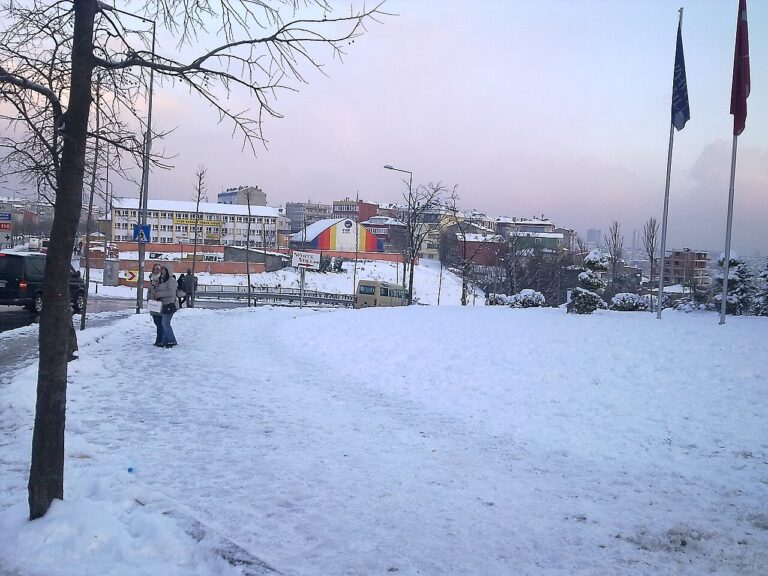
Winter changes Sisli the way it changes every city, but the district takes the season better than most.

48 Hours in Sisli: The Perfect Itinerary
Two days is exactly the right amount of time for Sisli.

The Best Day Trips from Sisli
Sisli sits at the heart of Istanbul's transport network — the metro lines, the bus routes, and the ferry piers of the…

A Foodie’s Guide to Sisli
Sisli is the dining capital of modern Istanbul — the district where the city's food life actually happens.

Where to Stay in Sisli: Neighborhood Guide
Sisli is the modern heart of Istanbul, and it makes a strong base for the city — the metro connects it to…
Best Time of Year to Visit Sisli
Sisli is a year-round district — the malls and the stages, the fashion and the food run through all four seasons —…