Sisli is the Istanbul that most first-time visitors never plan to see — and the one they should. While the crowds make for the old city’s monuments, the modern heart of the European side lies here, in the district that grew up around the great avenues: the shopping streets of Nişantaşı, the cultural quarter of Harbiye, the towering skyline of the business center, the malls and the galleries, the restaurants and the nightlife of the city’s most fashionable quarter. It is the district of the city’s modern life — the place where Istanbul’s wealth, style, and culture actually live. This guide covers what a first-time visitor needs to know.
Where Sisli Sits in the City
Sisli occupies the hills of the European side, just north of the old city and the Bosphorus — the district that grew with the republic, spreading up the great avenues from the Taksim square. Its center is the junction of the district’s main streets, where the business towers rise; its western quarter is Nişantaşı, the fashionable shopping district of the city’s wealth; its southern edge is Harbiye, the cultural quarter with the concert halls and the museums; and its hills hold the residential districts, the malls, and the modern life of the city. The district’s character is the modern one: the Istanbul of the boutiques and the business towers, the galleries and the concert halls — the city’s face turned toward the future, in the quarter that the republic built.
Getting There
Reaching Sisli is easy from anywhere in the city, and the transport is part of its character. From the airports: Istanbul Airport (IST) connects via the M11 metro and the M7 to the district’s metro stations, about forty minutes; Sabiha Gökçen (SAW) via the M4 and the Marmaray and the metro, about an hour. Within the city, the metro lines M2 and M7 run through the district — the M2’s Osmanbey and Şişli stations are the heart — the buses thread the avenues, and the old city is a short metro ride to the south. The Istanbulkart transit card works on all of it. The key fact for the first-timer: the district is spread along the avenues, and the metro and the walking are the transport.

The First-Timer’s Walk
The classic introduction to Sisli is the walk of the avenues, and it takes a leisurely half day. Start at the Taksim end and walk north up the great avenue of the district, past the shops and the crowds, to the junction at the heart of Sisli: the mosque at the corner, the business towers, the traffic of the city’s modern center. Then turn west into the streets of Nişantaşı — the boutiques of Abdi İpekçi, the cafes, the elegant buildings of the city’s wealthiest quarter — and loop back through the side streets: the galleries, the patisseries, the life of the fashionable district. The walk is the lesson of Sisli: the modern city, its avenues and its style, its shops and its crowds — the Istanbul that the postcards of the old city never show.
The Shopping: The Fashionable Quarter
Sisli is the shopping district of Istanbul, and the shopping is its identity. The great avenue of the center holds the malls and the department stores; Nişantaşı holds the boutiques — the international labels and the Turkish designers — and the streets of Abdi İpekçi are the fashion street of the city, where the displays change with the seasons and the crowds come to see and be seen. The malls of the district — the great shopping centers of the hills — are among the largest in Europe. The shopping of Sisli is the shopping of the modern city — the labels, the windows, the style — and for the traveler who wants the current Istanbul, it is the essential quarter.

The Culture: Harbiye and the Arts
The district’s southern edge, Harbiye, is the cultural quarter of the city: the concert halls and the theaters, the museums and the galleries, the cultural life of modern Istanbul. The quarter holds the Atatürk Cultural Center and the great venues of the city’s music and theater; the museums hold the modern art and the history of the republic; and the galleries of the district show the work of the contemporary scene. The cultural life of Harbiye is the district’s depth — the concerts and the exhibitions, the performances and the openings — and the visitor who comes for the city’s modern culture finds it here, in the quarter that the republic built.
The Food Scene
Sisli eats the modern way, and the first-timer should eat that way. The restaurants of the district run the full range of the city’s contemporary dining: the fine dining of the fashionable quarters, the cafes and the brunch houses of Nişantaşı, the international cuisines of the business district, and the traditional restaurants of the working streets — the kebab houses, the lokantas, the fish restaurants — that anchor the district’s daily life. The food of Sisli is the food of modern Istanbul — the fashionable tables and the working ones side by side — and the rule of the district is the rule of the city: follow the crowds, and the tables will be the honest ones.

Where to Stay
Sisli is a strong base for the modern Istanbul, and its accommodation runs the range. The business hotels of the center offer the convenience — the metro, the shops, the restaurants — with the city’s modern life on the doorstep; the boutique hotels of Nişantaşı offer the style of the fashionable quarter; and the budget options of the side streets run the district’s cheaper beds. The honest trade-off: the old city’s monuments are a metro ride to the south, and the district’s character is the modern one — the business and the fashion, not the history. For the traveler who wants the current Istanbul, the shopping, and the culture, Sisli is the base.
The Practical Notes
A few things make the first visit smooth. The metro is the spine: the M2 and the M7 run through the district, and the old city is ten minutes to the south — the metro is the transport, and the stations of the district are its gates. The avenues are the day: the district is spread along the great streets, and the walking between the shops and the quarters is the experience. The fashion is the clock: Nişantaşı’s streets and the malls have their rhythms — the late mornings, the shopping afternoons — and the crowds follow them. And the card: the Istanbulkart is the only ticket you need for the metro, the buses, and the ferries.
The Takeaway
Sisli is the district of the modern Istanbul — the avenues and the boutiques, the towers and the malls, the concert halls and the galleries, the life of the city’s wealth and culture. It is the quarter that the republic built and the current city lives, and for the traveler who wants the Istanbul of today — the shopping, the dining, the culture, the style — it is the essential district. Walk the avenues, shop the quarters, hear the concerts, and you will have seen the modern city — the one that the old city’s postcards leave out, and the one that the city’s own residents call home.
The Architecture: The Republic’s District
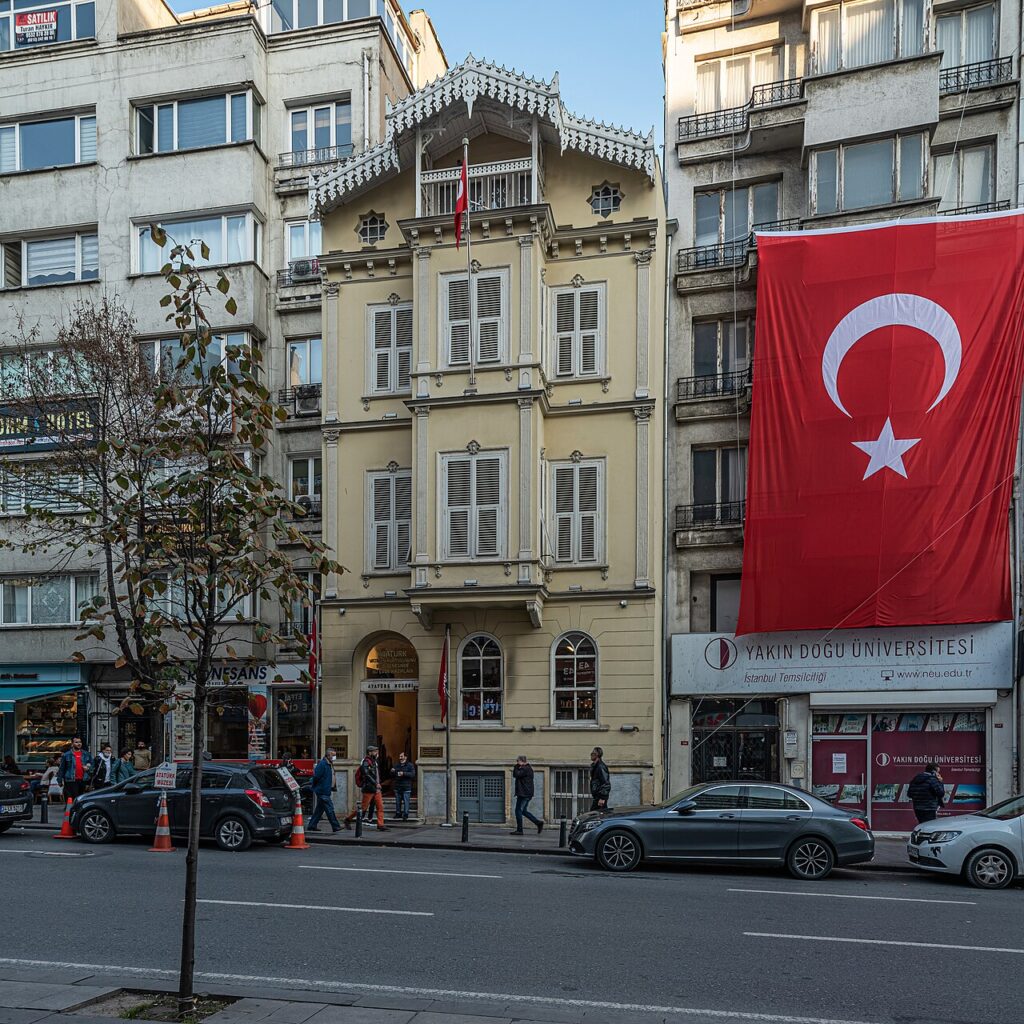
Sisli is the district of the republic, and its buildings tell that story. The old apartment blocks of the 1930s and 1940s — the elegant buildings of Osmanbey and the avenues, with their balconies and their stonework — are the architecture of the young republic, the housing of the new middle class that Atatürk’s reforms created. The modernist towers of the center are the republic’s later chapters — the business blocks of the 1960s and 1970s that made the district the commercial heart of the European side. The Atatürk Museum — the house on the avenue where the founder himself lived — anchors the story personally: the rooms of his life preserved as they were, the republic’s first years on display. And the Sisli Mosque, built in the 1950s in the Ottoman classical style at the junction of the modern city, makes the statement that ends the story: the old architecture, deliberately rebuilt at the heart of the new quarter. Walk the district’s buildings in order and you walk the republic itself — the new state’s housing, its towers, its founder, and its chosen architecture, the story of modern Turkey in stone.
Frequently asked questions
How do I get to Sisli from the old city?
The M2 metro from the old city runs to the district’s stations in about ten minutes — the fastest and easiest connection between the two Istanbuls.
How do I get from the airport to Sisli?
Istanbul Airport connects via the M11 and the M7 in about forty minutes; Sabiha Gökçen via the M4, the Marmaray, and the metro in about an hour.
Is Sisli safe?
Yes — the district is busy, well-policed, and safe at all hours, with the standard city awareness in the crowds of the shopping streets.
What is the best shopping street?
Abdi İpekçi in Nişantaşı — the fashion street of the city, with the boutiques and the displays that define the district’s style.
Is Sisli a good base?
For the modern Istanbul — the shopping, the dining, the culture — yes; the old city’s monuments are a ten-minute metro ride to the south.

All Over Information
The All Over Information editorial team researches and writes practical English-language guides to Turkey. Facts are checked against official and local sources before publication, prices are published as dated ranges rather than quotes, and guides are revised when things change. We accept no sponsored posts, paid placements or paid links.
More guides like this

Where to Stay in Sisli: Neighborhood Guide
Sisli is the modern heart of Istanbul, and it makes a strong base for the city — the metro connects it to…

Shopping Guide: What to Buy in Sisli
Sisli is the shopping capital of Istanbul — the district where the city's commerce lives.

The Best Day Trips from Sisli
Sisli sits at the heart of Istanbul's transport network — the metro lines, the bus routes, and the ferry piers of the…
Photography Spots in Sisli You Can’t Miss
Sisli is the photographer's modern city — the towers and the avenues, the fashion streets and the old apartment blocks, the green…

Sisli in Summer: A Complete Travel Guide
Summer is Sisli's liveliest season — the long days, the late evenings, the terraces and the rooftops full, the district's fashionable life…
Top 10 Things to Do in Sisli
Sisli is the modern heart of Istanbul — the district of the avenues and the boutiques, the towers and the malls, the…