Sisli is the photographer’s modern city — the towers and the avenues, the fashion streets and the old apartment blocks, the green corridors and the panoramas, the night lights and the glass. It is the Istanbul of the contemporary frame: the architecture of the republic and the skyline of the new economy, the streets of the style and the views of the Bosphorus. This guide covers the essential photography spots of the district — the viewpoints, the streets, the buildings, and the light — for the photographer who wants the modern city on the card.
The Panorama from Maçka Park’s Lower End
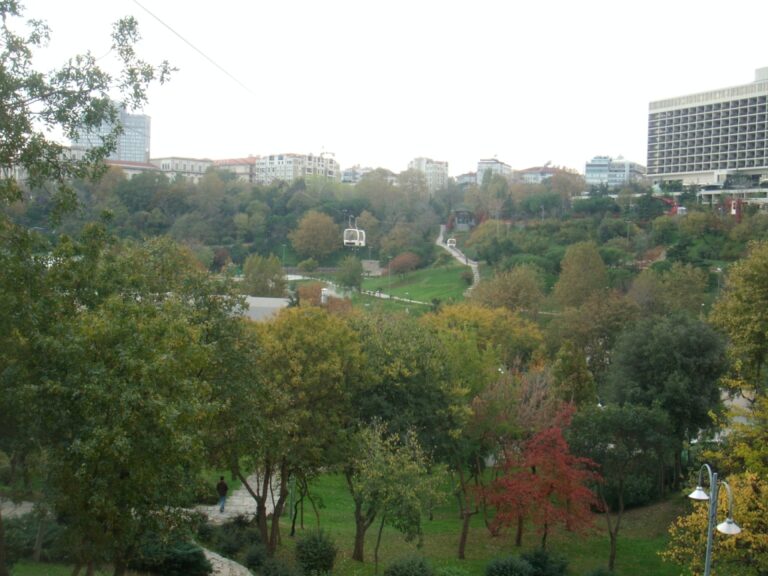
The best panorama in the district is the reward of the walk down Maçka Park — the green corridor that drops from Sisli toward the Bosphorus. The lower end of the park opens onto the classic Istanbul view: the Bosphorus below, the Asian shore across, the old city’s skyline to the south, the bridges and the ferries in the frame. The light is the key: the morning for the clear air and the eastern light, the golden hour for the amber on the water, the blue hour for the lights coming on across the strait. The shot is the district’s signature: the modern city above, the ancient water below, the whole of Istanbul in one frame. It is the essential start of the Sisli photography day.
The Avenue: The Modern Street
The great avenue of the district — the street that runs from Taksim through the heart of Sisli — is the modern city’s street photography. The traffic and the crowds, the shops and the signs, the towers rising at the ends of the sightlines: the avenue is the frame of the contemporary Istanbul. The shots are the district’s life: the commuters at the crossing, the trams and the buses, the shop windows and the crowds, the architecture of the modern street. The light is best at the golden hours, when the low sun throws the long shadows along the avenue and the towers catch the amber; the night is the other classic, the lights and the reflections on the wet pavements. The avenue is the photographer’s modern city, and it rewards the patient eye.

The Fashion Streets: The Style of Nişantaşı
The streets of Nişantaşı are the fashion photography of the district — the style of the city in its native quarter. The boutiques and their windows, the elegant apartment buildings and their facades, the cafes and their crowds: the quarter is the frame of the city’s style, and the photography is the street’s own. The shots are the details: the windows and the displays, the architecture and the details, the life of the fashionable street. The light is the low sun of the late afternoon, when the facades glow and the streets fill with the quarter’s life; the black-and-white is the classic for the architecture, the lines and the shadows of the republic’s buildings. Nişantaşı is the district’s style studio, and the photographer walks it with the eyes open.
The Towers: The Modern Skyline
The towers of the center are the modern skyline — the vertical city of the district’s business life. The photography is the architecture: the glass and the steel, the forms and the reflections, the towers rising above the older streets. The shots are the compositions: the looking-up frames from the street, the reflections in the glass, the towers against the sky. The light is the dramatic hour — the sunset and the storm light, the towers catching the fire; the night is the other classic, the lit towers against the dark. The rooftop terraces of the center — the public decks and the upper floors of the shopping centers — are the elevated platform for the skyline shots, the city spread below. The towers of Sisli are the photographer’s modern Istanbul, and they reward the vertical eye.

The Old Blocks: The Republic’s Architecture
The apartment buildings of the district — the blocks of the 1930s and 1940s with their balconies, their stonework, and their art-deco details — are the architecture of the republic, and they are the district’s most underrated photography. The facades of the old blocks line the avenues and the side streets: the lines and the details, the balconies and the entrances, the marble and the brass of the early republic’s housing. The shots are the details and the patterns: the windows in their rows, the doors and the numbers, the ornament of the facades. The light is the soft morning or the golden afternoon, the facades lit without the harsh shadows; the black-and-white is the classic, the lines and the textures of the old architecture. The old blocks are the district’s hidden photography, and the photographer who looks up finds them everywhere.
The Green Corridor: The Park Photography
The green of the district — Maçka Park above all — is the park photography, the natural frame in the modern city. The corridor drops through the trees toward the water, and the shots are the green: the paths through the trees, the light falling through the canopy, the people of the park in their daily life. The seasons change the frame: the green of the spring and the summer, the gold of the autumn, the bare branches and the possible snow of the winter. The morning is the light: the soft sun through the trees, the park quiet, the photographers and the joggers sharing the paths. The park is the district’s natural studio, and it balances the towers with the green.

The Night: The District Lit
The night photography of the district is the modern city at its most cinematic. The towers and the avenue, the shop windows and the signs: the district lights up after dark, and the frames fill with the glow. The shots are the night classics: the long exposures of the avenue’s traffic, the light trails of the trams and the cars, the reflections on the wet pavements, the towers against the dark sky. The tripod is the equipment for the night: the long exposures need the steady base, and the district’s flat squares and the terraces give it the level ground. The blue hour — the minutes after the sunset, when the sky holds the last color and the lights come on — is the night’s best light, the transition that the photographers wait for. The night of Sisli is the district’s last great subject, and it rewards the tripod and the patience.
The Practical Notes
A few things make the photography smooth. The golden hours are the day: the low sun of the late afternoon and the blue hour after it are the district’s best light — plan the outdoor shooting around them. The tripod is the night kit: the long exposures of the avenue and the skyline need the steady base — pack the small travel tripod. The respect is the rule: the malls and the private buildings ask for the courtesy of the working spaces — shoot from the public streets and the public decks. The black-and-white is the classic: the architecture of the republic and the lines of the old blocks reward the monochrome. And the weather is the ally: the storm light and the rain-slicked streets and the rare snow are the dramatic conditions — shoot in them when they come.

The Takeaway
The photography of Sisli is the modern Istanbul on the card — the panorama from the park and the avenue’s street life, the fashion of Nişantaşı and the towers’ skyline, the old blocks and the green corridor, the night lights and the glass. The district is the photographer’s contemporary city, and the frames are everywhere: the viewpoints, the streets, the buildings, and the light. Shoot the golden hours and the blue hour, the day’s life and the night’s lights, the towers above and the Bosphorus below — and the modern heart of Istanbul comes home in the frames: the city of the republic, the skyline of the new economy, the photography of the district whole.
Frequently asked questions
What is the best photography spot in Sisli?
The lower end of Maçka Park — the panorama over the Bosphorus, the Asian shore, and the old city, the district’s signature view.
When is the best light?
The golden hour of the late afternoon and the blue hour after it — the district’s architecture and its lights at their best.
Is night photography good in Sisli?
Excellent — the towers, the avenue, and the light trails of the traffic, from the safe and well-lit streets of the district.
Do I need a tripod?
For the night shots — the long exposures of the avenue and the skyline — yes; the day is hand-holdable in the district’s light.
What should I shoot in black and white?
The old apartment blocks and the architecture of the republic — the lines, the shadows, and the textures reward the monochrome.

All Over Information
The All Over Information editorial team researches and writes practical English-language guides to Turkey. Facts are checked against official and local sources before publication, prices are published as dated ranges rather than quotes, and guides are revised when things change. We accept no sponsored posts, paid placements or paid links.
More guides like this

Where to Stay in Sisli: Neighborhood Guide
Sisli is the modern heart of Istanbul, and it makes a strong base for the city — the metro connects it to…
Hidden Gems of Sisli Most Tourists Miss
Sisli has a public face — the fashion of Nişantaşı, the malls of the center, the towers of the business district —…

A Foodie’s Guide to Sisli
Sisli is the dining capital of modern Istanbul — the district where the city's food life actually happens.
Sisli in Winter: What to Expect
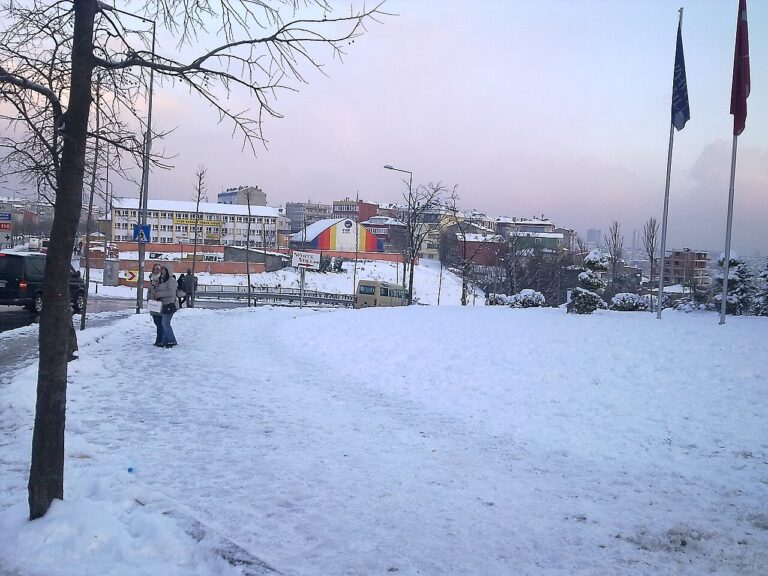
Winter changes Sisli the way it changes every city, but the district takes the season better than most.
Top 10 Things to Do in Sisli
Sisli is the modern heart of Istanbul — the district of the avenues and the boutiques, the towers and the malls, the…

How to Get to Sisli from Istanbul
Sisli sits at the heart of Istanbul's modern transport network — the metro lines, the bus routes, and the airport connections all…