Ayder is a plateau of seasons, and the season you choose changes the entire character of the visit. In the summer, the plateau is at its fullest — the green at its height, the thermal waters busy, the highlands alive with the herders and their animals, and the chalets full of visitors. In the autumn it is quieter and more atmospheric, with the color and the mist. In the winter it becomes a snow world — the chalets buried in white and the thermal waters steaming into the cold — for the traveler who wants the plateau’s other face. And in the spring it is fresh and green, waking from the snow. There is no single best time to visit; there is only the right season for the kind of trip you want. This guide lays out the year, month by month, so you can choose.
The Short Answer
June, September, and October are the sweet spot for most visitors: the green at its best or the golden autumn, the crowds thinned, and the thermal waters welcoming. July and August are the classic summer season — the busiest, liveliest, and most expensive months, with the highlands at their fullest. May and November are the shoulder months: quieter, fresher, and with the plateau at its most local. December through March is the winter season — cold, snowy, and magical, for the traveler who loves the mountain winter and the thermal waters in the snow.
The Climate of the High Plateau
Ayder sits at 1,350 meters in the Kaçkar Mountains, and its climate is the region’s own: cool, wet, and green, with a real difference between the seasons. The two facts that matter most for planning:
- The temperatures are cool for the latitude — the high plateau rarely gets very hot, and the evenings are cool even in the summer. The winter is a real mountain winter, with snow and freezing nights.
- The rain falls throughout the year, with the wettest periods in the autumn and the winter. The green that makes the plateau beautiful is the rain’s gift, and the mist is part of the atmosphere.
The plateau is at its most comfortable in the late spring, the summer, and the early autumn; the winter is for the traveler who loves the snow.

Spring (March–May): The Valley Wakes Up
March and early April are the quiet months: the snow lingers on the high peaks, the valley is green and wet, and the plateau is at its most local. The traveler who comes early in the spring finds the plateau almost to themselves, with the season just beginning.
May is where the plateau turns. The days warm, the green reaches its fresh spring height, the highlands begin their summer life, and the thermal waters open for the season. The crowds are still light, the prices are reasonable, and the plateau has the freshness of the year’s beginning.
Best for: the freshest green, the quiet plateau, budget-conscious early-season travelers, and photographers who want the mist and the light.
Summer (June–August): The Full Season
June is the beginning of the summer, and it is many visitors’ favorite month: the plateau at its greenest, the weather at its most comfortable, and the crowds not yet at their peak. The highlands are alive with the herders and their animals, and the thermal waters are at their most welcoming.
July and August are the peak. The plateau is at its busiest — the famous destination drawing its biggest crowds, with the school holidays and the weekend visitors. The weather is pleasant, the highlands are at their fullest, and the thermal waters have their queues. The honest caveats: it is the busiest and most expensive season, and the good chalets fill far ahead. Book early, go early for the plateau, and enjoy the highland at its liveliest.
Best for: the fullest plateau, the highlands at their greenest, the thermal waters, and the classic summer visit.
Autumn (September–November): The Golden Months
September is many regulars’ favorite month. The summer crowds thin, the weather stays pleasant, and the plateau has the ease of the late season — the same green, with more room and better prices.
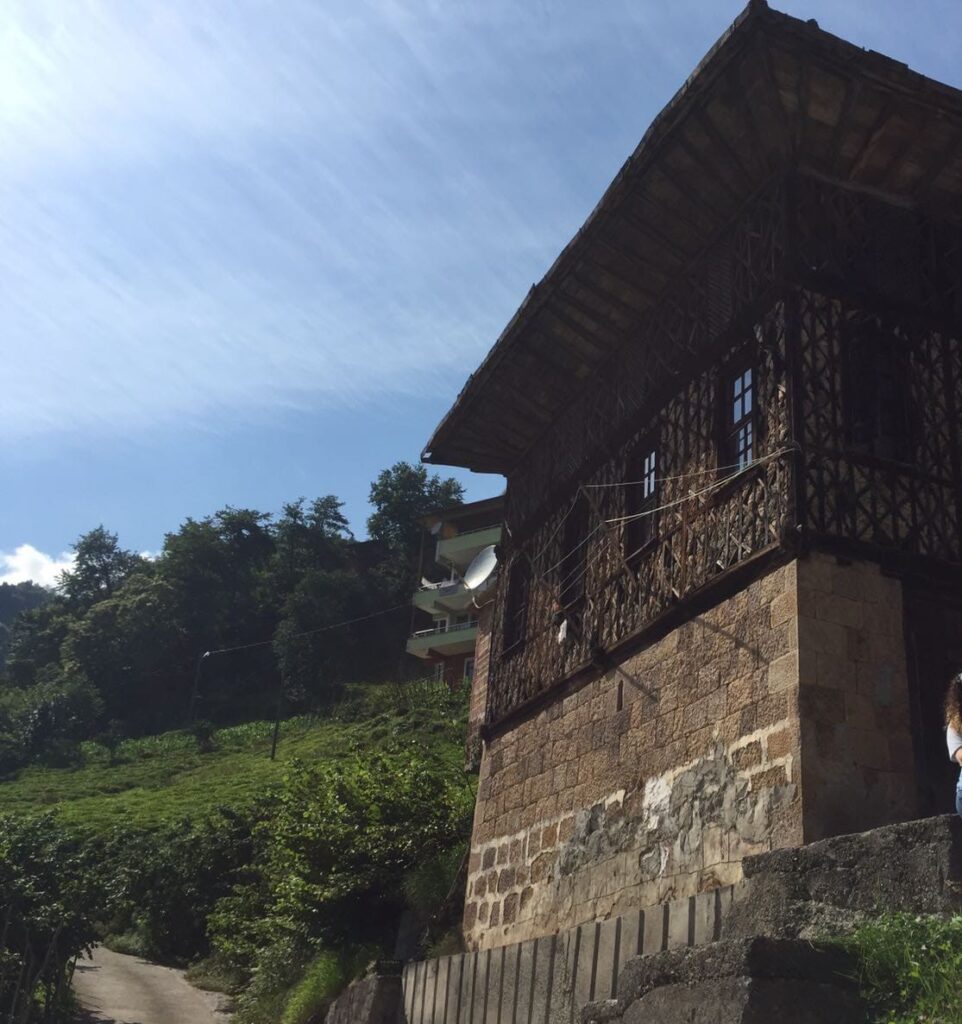
October is the plateau at its most atmospheric: the mist returning, the forested slopes turning gold, and the light low and golden over the valley. It is the photographer’s month and the connoisseur’s season — the plateau beautiful, quiet, and at its most itself.
November is the closing month: the weather turns cool and wet, the seasonal businesses begin to close, and the plateau moves toward the winter. The traveler who comes early in November catches the golden plateau’s last days.
Best for: the atmosphere (the mist and the golden light), the quieter plateau, photography, and the best balance of weather and crowds.
Winter (December–March): The Snow Plateau
Winter Ayder is the plateau transformed — and for the traveler who loves the mountain winter, it is one of the most magical seasons in Turkey. The snow falls deep on the chalets and the peaks, and the thermal waters steam into the cold air — the winter’s great experience, and the reason the plateau has a winter season at all. It is cold — a real mountain winter, with freezing nights and heavy snow — and the summer walks and the high country are closed. But the plateau is at its most atmospheric and most quiet, and the snow-covered landscape, with the steam rising from the springs, is one of the great sights of the region.
The winter suits the traveler who loves the mountain winter: the thermal waters in the snow, the snow walks on the plateau, the photography, and the long evenings in the warm chalets.
Best for: the snow and the steam, the thermal waters at their most atmospheric, photographers, budget travelers, and anyone who wants the plateau’s other face.

Month-by-Month Quick Reference
| Month | Weather | Crowds | Vibe |
|---|---|---|---|
| January | Cold, snowy | Empty | Snow plateau |
| February | Cold, snowy | Empty | Snow plateau |
| March | Cold, easing | Very light | Winter’s end |
| April | Cool, wet | Light | Spring opening |
| May | Mild, fresh | Moderate | Spring green |
| June | Pleasant | Building | Early summer |
| July | Pleasant–warm | Peak | Full summer |
| August | Pleasant–warm | Peak | Full summer |
| September | Pleasant | Falling | Golden ease |
| October | Cool, misty | Light | Golden atmosphere |
| November | Cool, wet | Empty | Closing down |
| December | Cold, snowy | Empty | Snow plateau |
Matching the Season to Your Priorities
The fullest plateau? July and August — the thermal waters, the highlands, and the chalet life at their liveliest.
The best balance of weather and crowds? June and September — the plateau at its best without the peak.
The atmosphere? October — the mist, the golden light, and the quiet.
The snow and the steam? December through March — the plateau transformed, and the thermal waters at their most magical.
Best value? May, September, October, and the winter — the same plateau at a fraction of the summer prices.
Photography? The early mornings all year, October for the golden light, and the winter for the snow and the steam.
Families? June and September — pleasant weather, thinner crowds, and the plateau’s family activities at their best.
Seasonal Notes Worth Knowing
- Book ahead in the summer. The plateau’s good chalets fill far ahead in July and August — and the famous destination means even the shoulder seasons need advance planning.
- The rain is part of it. The green is the rain’s gift, and the mist over the valley is a feature, not a problem. Pack for the wet and the plateau rewards you.
- The thermal waters work all year. Unlike the coast’s beach, the hot springs are the constant — welcoming in the summer and magical in the winter snow.
- The winter is a real winter. The snow and the cold are genuine, and the mountain roads need care — the winter suits the prepared traveler.
- The highlands have their season. The yayla life is a summer phenomenon — the meadows are at their best from June through September.
The Takeaway
Ayder is a plateau with distinct seasons, and choosing between them is the first decision of the trip. Come in the summer for the fullest plateau and the greenest highlands, in June or September for the best balance, in October for the golden atmosphere, or in the winter for the snow, the steam, and the quiet. There is no wrong answer — only the season that matches what you came for. Pick that, and the plateau will give you the rest.
Frequently asked questions
What is the best month to visit Ayder?
For most people, June or September: the plateau at its best with the crowds thinned. October for the atmosphere, and the winter for the snow and the thermal waters.
Is Ayder hot in summer?
No — the high plateau stays cool and pleasant, with daytime highs in the low-to-mid twenties and cool evenings.
Are the thermal waters good in summer?
Yes — they are welcoming all year, and the warm days and the cool evenings make them a constant pleasure.
Is Ayder very crowded in summer?
Yes — it is one of Turkey’s most famous highland destinations, and July and August bring the biggest crowds. June and September are the calmer alternatives.
Is Ayder worth visiting in winter?
Yes, for the traveler who loves the mountain winter — the snow, the steam, and the plateau transformed, with the best prices of the year.
When is Ayder cheapest?
The winter, followed by May, September, and October. Prices rise steeply for the summer months.

All Over Information
The All Over Information editorial team researches and writes practical English-language guides to Turkey. Facts are checked against official and local sources before publication, prices are published as dated ranges rather than quotes, and guides are revised when things change. We accept no sponsored posts, paid placements or paid links.
More guides like this
A Solo Traveler’s Guide to Ayder Plateau
Ayder is a plateau that suits the solo traveler beautifully, and it works on both of the solo registers at once.
Top 10 Things to Do in Ayder Plateau
Ayder Plateau is a small highland valley with a concentrated list of pleasures, and nearly everything on the list is free, beautiful,…
How to Get to Ayder Plateau from Istanbul
Getting from Istanbul to Ayder Plateau is a proper journey — over a thousand kilometers by road, across the width of northern…

Shopping Guide: What to Buy in Ayder Plateau
Ayder is a plateau famous for its mountains and its thermal waters, not for its shopping, and there is no Grand Bazaar…

Nightlife Guide to Ayder Plateau
Let's be clear about what nightlife means in Ayder, because the plateau has nothing to do with neon, DJs, and queues —…

Ayder Plateau Airport and Transport Guide
Getting to Ayder takes a little planning, and it is worth being honest about that at the start: there is no airport…