Priene is one of the quietest of the great ancient sites of Turkey, but it is not always empty. The site sits on the route of the ancient cities tour circuit, and the tour vans from the coast stop here in the middle of the day. Timing your visit is simple, though, and the rewards are large: a quiet morning or afternoon at Priene is one of the most peaceful experiences in Turkish travel. This guide explains the best seasons, days, and hours to visit Priene.
The Climate of the Mountain
Priene sits high on the slopes of Mount Mycale, and its climate is shaped by the mountain. The site is exposed, with little shade, and it catches both the heat of the plain and the wind of the heights.
Spring and autumn are the comfortable seasons. The temperatures are mild, the mountain is green, and the views are at their clearest. The wildflowers of spring are a special delight on the terraces of the city.
Summer brings real heat, and the climb through the ruins becomes hard work in the middle of the day. Winter is cool, windy, and often wet, but the empty site has a beauty of its own.
The character of Priene changes completely with the season. In spring, the site is alive: the mountain is green, the wildflowers cover the terraces, and the air is full of birdsong. The city of the grid seems to be waking up around you.
Spring: The Green Season
April and May are the most beautiful months at Priene. The mountain slopes are covered with wildflowers, the air is clear, and the views over the Maeander plain are at their best.
The crowds, such as they are, arrive with the tour season. The vans from Kusadasi and the coast run the ancient cities circuit from spring onward, usually reaching Priene in the mid-morning.
Arrive early and you can climb through the city before the tours arrive. The light in the spring morning on the temple terrace is one of the finest sights in the Aegean.
In summer, Priene becomes a place of light and stone. The heat empties the paths, the shadows shorten, and the ruins stand hard and clear against the bright valley. The morning is the only truly comfortable time, and it has a clarity that the other seasons cannot match.

Autumn: The Golden Season
September and October are the quietest of the comfortable months. The summer tours have thinned out, the heat has broken, and the mountain is at peace.
The light of autumn is the great reward. The low sun turns the stone of the ruins golden, the valley below fills with warm colors, and the views are extraordinary.
October is the ideal month. The weather is still fine, the crowds are minimal, and the site can be walked in near solitude, with the whole valley of the Maeander spread below you.
In autumn, the site takes on its warmest colors, and in winter it becomes a place of dramatic skies and silence. Each season gives you a different city, and none of them disappoints. The best advice is to match your expectations to the season and let the mountain do the rest.
Summer: Early Birds Only
July and August bring heat and the heaviest traffic of the year. The tour circuit runs daily, and holidaying families join the visitors on the mountain.
The summer strategy is the early morning. Enter at opening time, climb while the air is still cool, and reach the temple terrace before the sun is high. The late afternoon is the second window, with softer light and fewer people.
Even in summer, Priene never feels crowded. The site is spread across the mountain, and the visitors disappear into its terraces, so a morning visit will still feel private.
The quiet hours at Priene are a gift, and you can make the most of them with a little planning. Begin your walk in the lower city, through the grid of houses, while the light is still soft.

Winter: The Windy Silence
From December through February, Priene is nearly empty. The tour vans have stopped, and only the most determined travelers make the climb.
The weather is the challenge. The mountain is exposed, the wind is cold, and rain or snow can make the ancient stone streets slippery. But the clear days are magnificent, with the snow on the high peaks and the valley below in its winter colors.
For travelers who want the site to themselves, winter at Priene is unbeatable. Wrap up warm, choose a clear day, and you will have the city of the grid in perfect silence.
Save the climb for the cooler hours of the morning or the golden light of the late afternoon, and plan to be at the temple terrace at the moment the sun is lowest. The view from the terrace is the reward the whole site is built around.
The Best Time of Day
The daily rhythm at Priene follows the tour circuit. The vans arrive from mid-morning, visit for about an hour, and leave by lunchtime, moving on to Miletus and Didyma.
The quiet hours are the first hour after opening and the late afternoon. In the morning you are ahead of the tours; in the afternoon you are behind them, with the golden light of the evening.
The late afternoon is the most beautiful time at Priene. The temple terrace glows in the low sun, the valley fills with shadow, and the city on the mountain seems to belong to you alone.
Finally, leave time to sit in the theatre. The quiet of Priene is most complete there, with the valley spread below and the centuries around you, and the visitors who pause longest are the ones who remember it best.
Weekdays over Weekends
The weekly rhythm at Priene follows the Turkish weekend. Saturdays and Sundays bring families and local visitors, and the site is noticeably livelier.
The quietest days are Tuesday, Wednesday, and Thursday. Mondays carry a small risk, as some sites in the region close, and tour planners adjust their routes.
For the emptiest visit, choose a weekday and avoid the school holidays, when the excursion buses add a new layer of visitors.
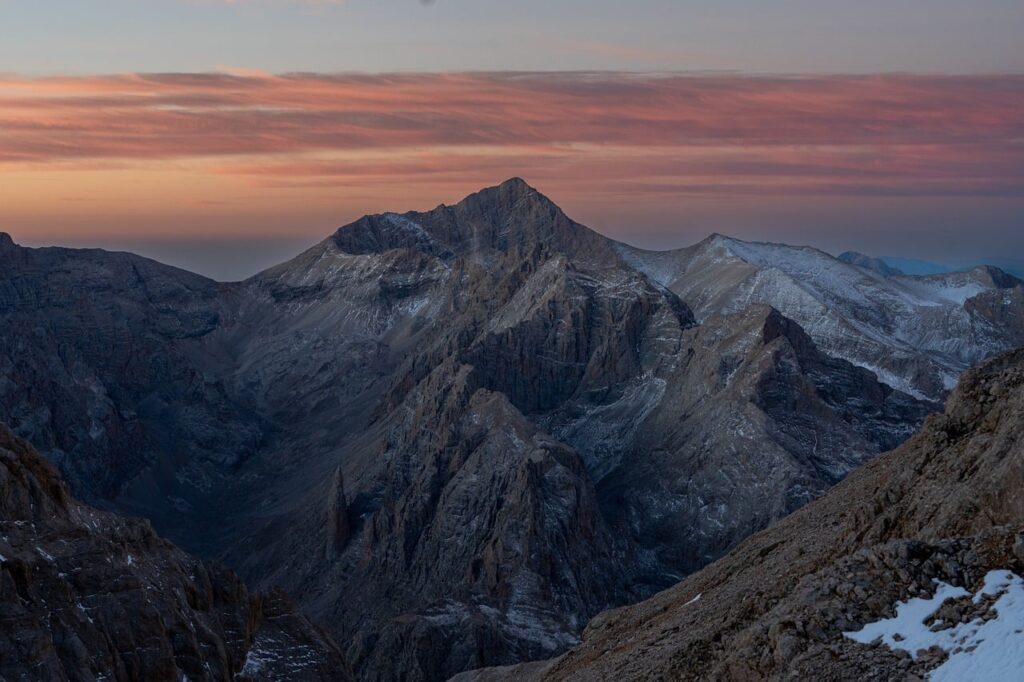
The light at Priene is one of the great reasons to time your visit carefully. In the morning, the sun rises over the plain and lights the terraces of the city, with the temple platform catching the first rays while the valley below is still in shadow.
Avoiding the Holiday Peaks
Turkish national and religious holidays fill the sites of the Aegean with domestic travelers, and Priene feels the effect. The sugar holiday and the sacrifice holiday are the busiest periods of the year.
The spring school excursion season adds weekdays of student groups, and the summer school break fills the weekends with families.
Check the holiday calendar for the year before you plan, and steer your visit to the weeks between the holidays. The week after a major holiday is usually calm.
In the late afternoon, the light turns warm and golden, and the ruins glow against the darkening mountain. The autumn light is the finest of all, low and soft, turning the marble of the temple and the stone of the theatre to honey.
Planning Around the Tour Circuit
Priene is the first stop on the standard ancient cities circuit, which runs Priene, Miletus, and Didyma in a single day. The tour vans usually reach Priene in the mid-morning.
The circuit runs in a fixed direction, so you can simply visit the sites in the opposite order. Start at Didyma, then Miletus, and arrive at Priene in the afternoon, when the tours have passed.
Alternatively, make Priene your first stop, entering at opening time and climbing before anyone else arrives. Either way, you beat the circuit by running against its schedule.
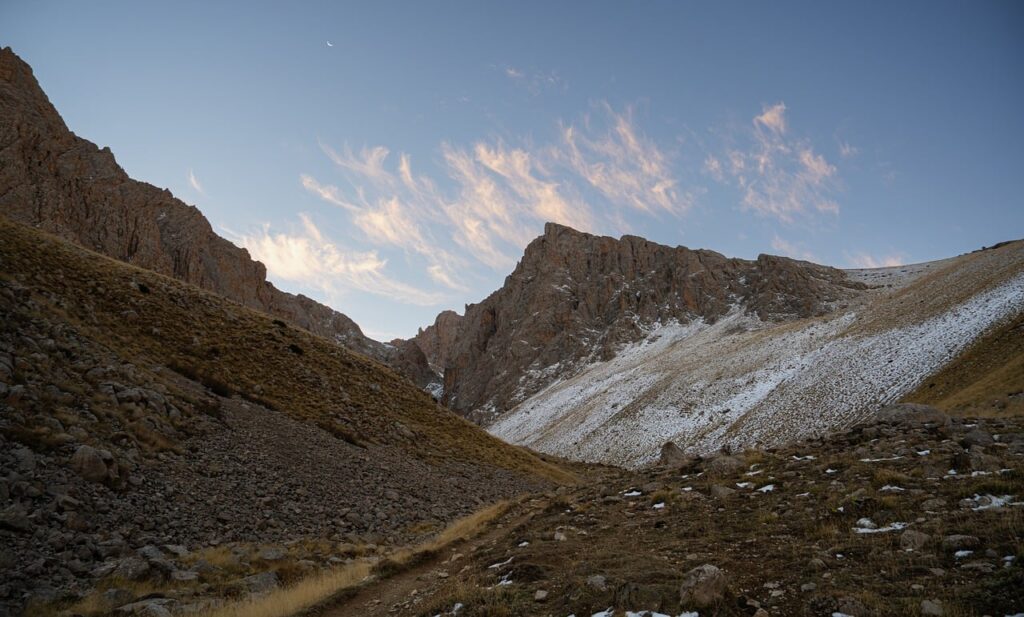
For the best experience of the light, plan to be on the temple terrace in the morning or in the theatre in the last hour of the afternoon. The quiet hours are also the beautiful hours, and the two together make the perfect Priene visit.
The Bottom Line
For most travelers, the ideal time at Priene is a weekday in late September or October, entering in the first hour after opening and climbing to the temple terrace in the morning light.
In spring, arrive early to beat the tour vans. In summer, visit in the cool of the morning. In winter, choose a clear day and wrap up warm, and you will have the site entirely to yourself.
The rule is simple: Priene is a site to be visited slowly, and the slower you go, the more it gives. Choose the quiet hours, and the city on the mountain will give you its best.
The light at Priene is one of the great reasons to time your visit carefully. In the morning, the sun rises over the plain and lights the terraces of the city, with the temple platform catching the first rays while the valley below is still in shadow.
Frequently asked questions
How crowded does Priene get?
Priene is much quieter than the famous coastal sites. The tour vans arrive in the mid-morning and leave within about an hour, and outside the summer and holiday periods the site is often nearly empty. Spread across the mountain terraces, even the visitors who do come rarely feel crowded.
What is the best time of day to visit Priene?
The first hour after opening and the late afternoon are the quietest and most beautiful times. The morning has the clearest air and the best light on the temple terrace, while the late afternoon brings golden light over the valley. Avoid the mid-morning window when the tour vans are at the site.
Is winter a good time to visit Priene?
For solitude, winter is the best season. The site is nearly empty, and on clear days the views are magnificent, with snow on the high peaks and the valley in winter colors. The challenges are the cold wind and the wet, slippery stone, so choose a clear day and dress warmly.

All Over Information
The All Over Information editorial team researches and writes practical English-language guides to Turkey. Facts are checked against official and local sources before publication, prices are published as dated ranges rather than quotes, and guides are revised when things change. We accept no sponsored posts, paid placements or paid links.
More guides like this

The Complete History of Priene
Priene is the most beautiful of the ancient cities of western Turkey, a perfectly planned Greek town built on the steep slopes…

Why Termessos Should Be on Your Turkey Bucket List
Turkey is full of ancient cities, but there is only one Termessos.

The Architecture of Ani Ruins Explained
Ani is a city built from stone and skill, and its architecture tells the story of medieval civilization in the Caucasus.

The Architecture of Sardis Explained
Sardis was built on a site of extraordinary natural strength and beauty: a steep acropolis rock, a broad fertile valley, and a…

Best Time to Visit Aspendos to Avoid Crowds
Aspendos is one of the most visited sites on the Turkish coast, and its theatre can feel like a busy public square…

The Architecture of Aphrodisias Explained
Aphrodisias is the rare ancient city you can read like a textbook, because almost all of it was built from the same…