For the food traveler, Bodrum is the Aegean at its most generous: the fish of the day, the mezes of the region, the rakı tables, and the produce of the peninsula — the mandarins, the olive oil, the honey — all within the short distances of each other. The foodie’s Bodrum is the layered one, from the lokanta lunches to the Gümüşlük fish houses and the old-town meyhanes. This guide maps the essential eating.
The Aegean Larder: The Flavors of the Region
The food of Bodrum begins with the larder of the Aegean, and the foodie should know the raw materials before the restaurants. The olive oil of the peninsula — the green, the peppery, the fresh-pressed — is the base of everything, drizzled over the salads and the mezes and the grilled fish; the fish and the seafood of the bay — the sea bream, the sea bass, the red mullet, the octopus, the calamari, the sardines — arrive daily with the boats; and the produce of the region — the tomatoes, the peppers, the herbs of the hills, the wild greens — fills the markets and the tables. The mandarins of Bodrum, the region’s famous fruit, and the honey and the thyme of the hills complete the larder, and the wines of the region — the native grapes of the Aegean — add the cellar.
The practical larder notes: the season shapes the table, with the fish and the produce at their peak through the summer and the autumn; the olive oil of the region is the souvenir worth the suitcase space; and the breakfast of the region — the cheese, the olives, the eggs, the honey, the fresh bread — is the meal that the foodie should not skip. The Aegean larder of Bodrum is the foundation of the local table, and the knowing of it deepens every meal.
The Fish of the Day: The Ritual of the Choosing
The fish of the day is the ritual of the Bodrum table, and the foodie should master it. The fish houses display the catch on the ice — the whole fish, glistening, priced by the weight — and the choosing is the theater: the pointing at the fish, the weighing, the agreeing on the price and the preparation, and the grilling or the frying that follows; the fish of the day is the freshest possible, caught by the local boats and served within the hours, and the simplicity of the preparation — the salt, the olive oil, the lemon, the fire — lets the fish speak. The ritual of the choosing turns the meal into the event, and the foodie who participates eats the best of the bay.
The practical choosing notes: the price per kilo is the quoted one, and the asking before the ordering is the essential; the whole fish serves the two, and the sharing is the custom; and the accompaniments — the mezes, the salad, the rakı — complete the table. The fish of the day is the heart of the Bodrum table, and the ritual of the choosing is the foodie’s rite.

The Meze Culture: The Small Plates
The meze culture of Bodrum is the soul of the Aegean table, and the foodie’s education happens through the small plates. The mezes of the region spread the table with the variety: the haydari — the strained yogurt with the herbs and the garlic; the stuffed vine leaves with the rice and the pine nuts; the octopus salad with the olive oil and the lemon; the white cheese with the oregano; the grilled peppers and the eggplant; the fried zucchini and the calamari; the wild greens with the garlic and the yogurt — and the ordering of the many small plates, rather than the single dish, is the Aegean way. The meze table is the long, the shared, and the conversational meal, and the foodie who orders by the wave tastes the region.
The practical meze notes: the mezes arrive as they are ready, and the ordering continues through the evening; the rakı is the classic partner, the anise spirit diluted with the water and the ice; and the meze-only meal — the dinner of the small plates without the fish or the meat — is the legitimate and the delicious choice. The meze culture of Bodrum is the region’s greatest table, and the small plates are the foodie’s essential study.
The Rakı Table: The Aegean Evening
The rakı table is the institution of the Aegean evening, and the foodie’s Bodrum night belongs to it. The rakı — the anise-flavored spirit, the national drink of the Turkish table — is poured with the water and the ice, turning milky in the glass, and the mezes spread across the table for the slow consumption through the hours; the rakı table is the long, the loud, and the convivial ritual — the conversation, the music, the singing of the meyhane — and the food and the drink interweave through the evening. The foodie who embraces the rakı table experiences the Aegean night as the locals live it, and the meyhanes of the old town are the setting.
The practical rakı notes: the rakı is the strong spirit, and the slow sipping with the food is the custom; the meyhane music — the Turkish classical and the folk — builds through the evening, and the singing along is the participation; and the rakı table runs the three or the four hours, the evening as the event rather than the meal. The rakı table of Bodrum is the Aegean institution, and the night there is the foodie’s immersion.

The Specialties: The Dishes to Seek
The specialties of the Bodrum region give the foodie the dishes to seek beyond the standard table. The seafood of the region in its local preparations — the fried calamari, the grilled octopus, the sardines of the bay — leads; the gözleme and the pide of the Anatolian traditions appear throughout the town, the stuffed flatbreads and the boat-shaped pizzas of the Turkish kitchen; the künefe — the shredded pastry with the melted cheese and the syrup — is the region’s famous dessert; and the mandarins of Bodrum, in their season, appear in the juices, the jams, and the desserts throughout the peninsula. The specialties give the foodie the goals, and the seeking of them structures the eating.
The practical specialty notes: the künefe is the warm, the sweet, the indulgent dessert best shared; the gözleme is the street and the village food, the fresh-cooked flatbread with the cheese or the spinach; and the mandarin season runs through the winter, when the orchards of the peninsula fill the markets. The specialties of the Bodrum region are the foodie’s quest, and the dishes reward the seeking.
The Wine and the Cellar
The wine of the Bodrum region completes the foodie’s education, and the local cellars deserve the visit. The Aegean region of Turkey — the home of the country’s wine revival — grows the grapes of the coast, and the wineries of the area produce the whites and the rosés that suit the seafood table; the wine lists of the better restaurants pour the local bottles, and the wineries beyond the town open their doors for the tastings and the tours. The foodie who matches the local wine to the local fish completes the meal, and the cellar visit adds the context of the vineyard and the terroir.
The practical wine notes: the local whites — the crisp, the citrusy, the coastal styles — are the natural partners of the fish and the mezes; the tasting rooms and the winery visits range from the informal to the structured, and the advance booking suits the organized ones; and the bottles of the region travel well, the souvenir of the cellar. The wine of the Bodrum region is the liquid side of the larder, and the pairing with the local table is the foodie’s pleasure.

The Sweet End: The Desserts and the Treats
The sweet end of the Bodrum table deserves the foodie’s attention, and the desserts of the region close the meals with the flourish. The künefe leads, the hot, the cheesy, the syrupy; the baklava of the Turkish tradition follows, the layers of the filo and the nuts; the dondurma — the dense, stretchy ice cream of the Turkish style — cools the hot afternoons; and the fruit of the peninsula — the melons, the figs, the mandarins — ends the meals simply. The patisseries of the town and the dessert houses of the region serve the sweets, and the Turkish coffee and the çay accompany them. The sweet end of the Bodrum table is the foodie’s reward, and the desserts are the memory that lingers.
The Foodie’s Day: The Sample Itinerary
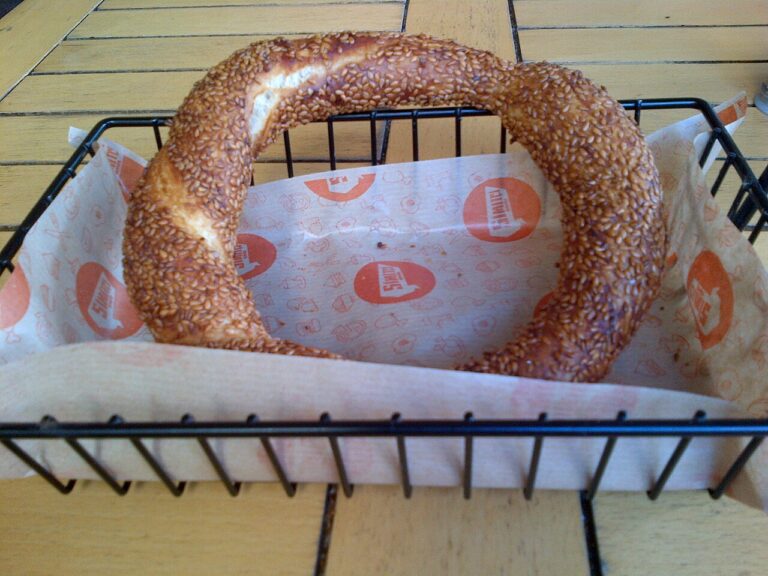
The foodie’s day in Bodrum assembles the table into the itinerary. The morning: the breakfast of the pension or the hotel — the cheese, the olives, the eggs, the honey, the fresh bread — or the wander to the bakery for the simit and the çay; the mid-morning: the market or the harbor, the produce and the catch, the coffee at the old-town square; the lunch: the lokanta of the town, the ready dishes and the daily specials, or the picnic of the market supplies on the beach; the afternoon: the ice cream of the dondurma, the tea and the baklava of the patisserie; and the evening: the fish house of Gümüşlük or the meyhane of the old town, the fish of the day, the mezes, the rakı, and the künefe to close. The foodie’s day in Bodrum is the continuous table, and the itinerary delivers the region’s best.
The Takeaway
The foodie’s Bodrum is the Aegean table in full: the fish of the day chosen from the ice, the mezes spread across the table, the rakı poured slowly, the local wine in the glass, and the künefe to close. Learn the larder, master the choosing, and give the evenings to the meyhane and the fish house. The food of Bodrum is the reason the travelers return, and the table there is the memory that the trip is measured by.
Frequently asked questions
What food is Bodrum famous for?
The Aegean seafood — the fish of the day, the octopus, the calamari — the meze spread, the rakı table, and the mandarins of the region.
Where should a foodie eat in Bodrum?
The fish houses of Gümüşlük, the meyhanes of the old town, the lokantas for the lunch, and the village restaurants of the peninsula.
What is the signature dish of Bodrum?
The grilled fish of the day with the mezes and the rakı is the signature meal, and the künefe is the signature dessert.
Is the seafood in Bodrum fresh?
Yes — the boats of the town and the peninsula supply the restaurants daily, and the fish of the day is the freshest possible.
What should I drink with the Bodrum food?
The rakı with the meze table, and the crisp local whites with the fish; the çay and the Turkish coffee complete the meals.

All Over Information
The All Over Information editorial team researches and writes practical English-language guides to Turkey. Facts are checked against official and local sources before publication, prices are published as dated ranges rather than quotes, and guides are revised when things change. We accept no sponsored posts, paid placements or paid links.
More guides like this
Bodrum on a Budget: Money-Saving Travel Tips
Bodrum has a reputation for glamour, but the town that hosts the superyachts also serves the budget traveler generously.
Bodrum in Summer: A Complete Travel Guide
Summer is the season that Bodrum was made for: the long, hot days over the clear Aegean, the beaches and the boats…
Where to Stay in Bodrum: Neighborhood Guide
Choosing where to stay in Bodrum shapes the whole trip, because the town and its peninsula offer distinctly different experiences within the…
Photography Spots in Bodrum You Can’t Miss
Bodrum is the photographer's playground of the Aegean: the castle rising from the harbor, the white town cascading down the hills, the…
Top 10 Things to Do in Bodrum
Bodrum packs an unusual amount of history, sea, and glamour into one small peninsula, and the list of the essential experiences runs…

Nightlife Guide to Bodrum
The nightlife of Bodrum is famous, and for the good reasons: the town that hosts the yachts and the jetset knows how…