Isparta sits at the heart of Turkey’s Lakes Region, a pocket of inland Anatolia where the Taurus foothills meet a chain of large freshwater lakes. The city itself is known for roses and apples, but its real gift to travelers is location: Eğirdir, Kovada, ancient Pisidian cities, and high mountain pastures all lie within an easy day’s drive. From a base in Isparta you can explore Roman ruins in the morning, swim in a mountain lake by the afternoon, and be back in town in time for dinner. This guide covers the best day trips and how to pace them.
Eğirdir: The Lake Town and Its Islands
Eğirdir is the classic Isparta day trip, and the one most visitors do first. The town stretches along the shore of Lake Eğirdir, one of Turkey’s largest lakes, with bare mountain slopes rising straight out of the water behind it. A narrow causeway runs out to two small islands, Can Ada and Yeşil Ada, which together give the town its instantly recognizable skyline.
The old town on the mainland rewards a slow wander. Stone houses with red-tiled roofs climb the hillside, a modest fortress rises above the harbor, and the lakeside promenade fills with anglers by evening. The islands themselves are tiny and nearly car-free, dotted with a handful of restaurants and guesthouses; walking across the causeway at sunset, with the lake on both sides, is one of the region’s simplest pleasures.
Allow a full day if you want to swim, walk the hills, or simply sit by the water. The drive from Isparta takes under an hour.
Kovada Lake National Park
South of Eğirdir, a short drive through pine forest brings you to Kovada Lake, a narrow, emerald body of water wedged between steep hills in the Sütçüler direction. It is a small national park, much quieter than the big lakes, and it feels like a mountain retreat rather than a tourist destination.
The main activity here is walking. A trail follows the lakeshore for much of its length, passing beneath dense conifers with the water glittering between the trunks. Birdwatchers come for the herons and kingfishers, and picnic areas by the water draw local families.
Combine it with Eğirdir or Sütçüler in a single loop, since the three lie along the same road. In autumn the forest turns orange and gold and the light on the water is at its best. There is no need for advance planning; the park is free to enter and the roads are paved to the shore.

Yalvaç and Pisidian Antioch
For history, the standout day trip from Isparta is Yalvaç, about an hour and a half east, where the ruins of Pisidian Antioch climb the hillside above town. This was one of the great cities of the region, founded in the Hellenistic era and later a key stop on early Christian journeys through Asia Minor.
The excavated site spreads over a hillside of scattered columns, a theater, an aqueduct, and the remains of a monumental temple platform with views over the valley. A small museum on site holds the finds, and the whole setting is far less crowded than the famous Aegean sites.
Allow half a day. The old town of Yalvaç itself, with its stone houses and covered market, is worth another hour. This is the longest of the history trips, so start early.
Davraz Mountain
Davraz stands directly behind Isparta, a peak that dominates the skyline from almost anywhere in the city. In winter it operates as a small ski center, with runs and a lift system; in summer it turns into a hiking and picnic destination with cool air and wide views.
The road climbs through forest to a plateau where the ski facilities sit, and from there a walker can push higher toward the summit. On clear days the reward is a panorama across the entire Lakes Region: Eğirdir and Burdur glinting in the distance, the rose fields below, and range after range of Taurus mountains fading toward the coast.
Half a day is enough for most visitors. Locals drive up for the sunset, and the mountain restaurants serve simple food with mountain cheese and honey. In winter, check road conditions before heading up; snow chains are sometimes needed on the final stretch.
Barla and the Western Shore
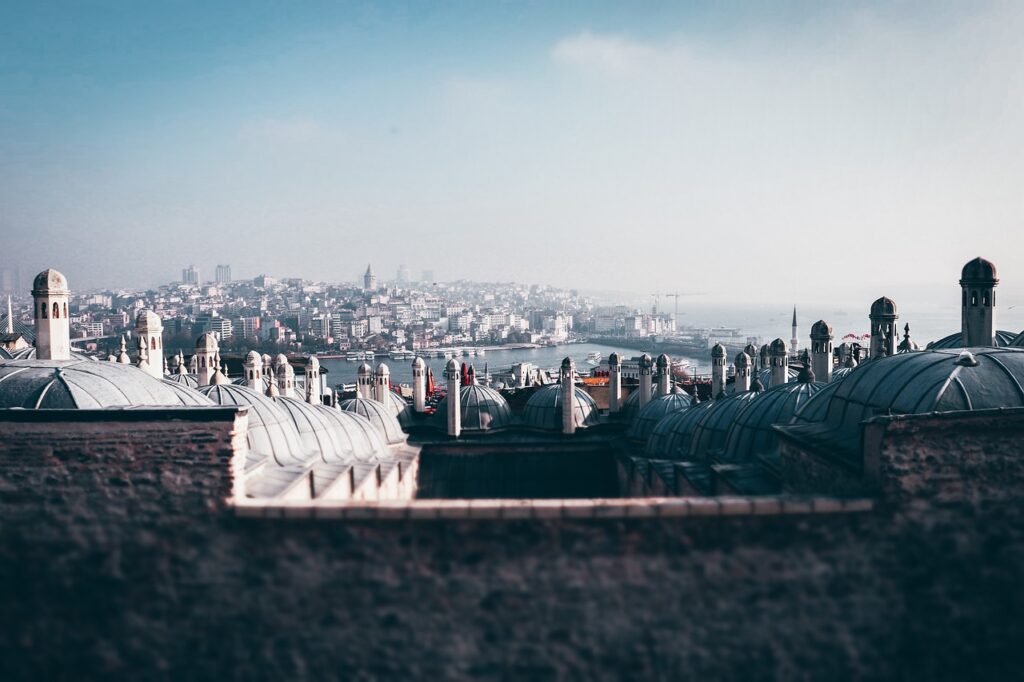
The western shore of Lake Eğirdir is the region’s quietest corner, and the village of Barla is its best-known point. Barla climbs a steep hillside above the water, a cluster of whitewashed houses and a small mosque under a rocky outcrop, and it has a reputation among Turkish travelers as a place of retreat and reflection.
A road runs the length of the shore, passing orchards, reed beds, and tiny fishing jetties. There is no big sight here; the point is simply the pace. Walk the village lanes, have tea by the water, and watch the light change across the lake toward the mountains of the far shore.
Barla is a morning trip, best combined with Eğirdir town in the afternoon, or saved for a rest day. The narrow roads are slow but paved, and there are places to swim off the rocks along the shore. Take a picnic; the village has only a few simple tea gardens.
The Rose Villages of the Plain
Isparta’s roses are not a museum exhibit; they are a working crop, and in May and June the fields around the city turn pink with the harvest. Several villages on the plain, particularly around Güneykent and Kuyucak, welcome visitors during the season, and the early-morning picking is the thing to see.
Roses are harvested at dawn, before the sun saps their oil, and the flowers go straight to the distilleries that produce the rose oil and rose water sold across the city. In season you can watch the picking, follow the steam stills, and buy bottles of rose water, rose jam, and rose-scented sweets directly from the producers.
Time the trip for May or June and arrive early. Off-season the distilleries are quieter, but the rose gardens and the little shops of the rose district still make a pleasant half-day loop. Ask locally about the harvest schedule; it changes with the weather.

Sütçüler and Yazılı Canyon
Sütçüler is the southern gateway district of Isparta province, a mountain town where the road begins its climb toward the Mediterranean watershed. Its reason to stop is Yazılı Canyon, a narrow limestone gorge cut by a river, with walkways fixed to the rock faces above the water.
The canyon trail threads between vertical walls, crossing the river by footbridge and passing waterfalls and clear pools, with the water audible the whole way. The first stretch is an easy walk, and the cool, shaded corridor makes it ideal on hot days. Stronger hikers can push deeper into the gorge.
From Isparta the drive takes around an hour and a half. Sütçüler town itself is a friendly rural place with a few restaurants serving local mountain food, so combine the canyon with lunch there and return the same way. The canyon is at its best in spring, when the water is high.
Burdur and Sagalassos
If you want one genuinely spectacular ruin within reach of Isparta, drive south toward Burdur to Sagalassos, an ancient Pisidian city that sits high in the mountains. Rediscovered and excavated in recent decades, it stands at around 1,500 meters with a monumental fountain, terraced public buildings, and a theater climbing the hillside.
The road to the site is steep and winding, and the reward is one of the most dramatically situated archaeological sites in Turkey. The restored Antonine Fountain again runs water, and the views over the mountain valley are extraordinary.
Sagalassos is a full-day commitment from Isparta, around two hours each way, and it is best paired with a quick stop at the lakeside town of Burdur on the return. Check the access road in winter, when snow can close the upper section. Otherwise, go early.

Lake Beyşehir
For a longer day, head east across the mountains to Lake Beyşehir, Turkey’s largest freshwater lake, and the town of the same name on its shore. The drive from Isparta takes around two hours, much of it through pine forest, and the lake appears suddenly, vast and island-studded.
Beyşehir’s medieval mosque, an elegant Seljuk building with a forest of carved wooden columns, is the town’s headline sight. From the lakeshore you can also take a boat toward the islands, where the remains of Byzantine churches dot the green slopes, and swim from quiet coves that few foreign visitors reach.
This trip works best as a full day with an early start. The combination of the Seljuk mosque, the lake boats, and the mountain scenery makes it one of the most rewarding longer excursions from Isparta.
Planning Your Day Trips
A little planning makes the difference between a relaxed loop and a rushed one. Most of these destinations work well in pairs: Eğirdir with Kovada or Barla, Yalvaç with the lakeside, Davraz with the rose villages, and Sagalassos as its own day. Base yourself in Isparta or Eğirdir town, and rent a car if you plan several trips.
Public transport reaches the main towns but leaves the countryside, the canyons, and the ruins hard to reach without wheels. Distances are short by Turkish standards, but the mountain roads are slow, so add time generously. In summer, start early and do outdoor trips in the morning; in winter, check mountain roads before setting out.
The Lakes Region rewards flexibility. Watch the weather, ask hotel staff and local drivers about current road conditions, and be ready to swap a mountain plan for a lake plan if clouds move in. Whichever trip you choose, you should be back in Isparta in time for dinner.
Frequently asked questions
How far is Eğirdir from Isparta?
Eğirdir lies roughly thirty kilometers from Isparta’s center, a drive of under an hour on a good road that runs through orchards and rose fields. Most visitors make the trip in a day, though staying overnight on the islands is popular if you want sunset and sunrise over the lake.
When is the rose harvest in Isparta?
The rose harvest runs from mid-May through mid-June, with the exact weeks shifting with the weather each year. The flowers are picked at dawn and processed the same morning in the distilleries. For the full experience, visit the rose villages in this season and get there early in the day.
Do I need a car for day trips from Isparta?
For most of the destinations in this guide, yes. Public buses and minibuses reach Eğirdir, Yalvaç, and Beyşehir, but Kovada, Sagalassos, the canyons, and the mountain roads are hard to manage without your own transport. A rental car gives you the flexibility the region’s loops demand. Minibuses cover the main towns, but the best loops really need wheels.

All Over Information
The All Over Information editorial team researches and writes practical English-language guides to Turkey. Facts are checked against official and local sources before publication, prices are published as dated ranges rather than quotes, and guides are revised when things change. We accept no sponsored posts, paid placements or paid links.
More guides like this

History and Culture of Isparta
Isparta is a city that most travelers pass through on the way to somewhere else, yet few Turkish provinces carry a clearer…
Where to Stay in Isparta
Isparta offers two very different kinds of travel, and your choice of accommodation decides which one you get.

Top Things to Do in Isparta
Isparta is the rose capital of Turkey and the heart of the lakes district, and it offers a rare combination of experiences:…
Best Local Food in Isparta
Isparta sits in the middle of the lakes district, where the cooking draws on the water, the orchards, and the rose gardens…
A First-Timer’s Guide to Isparta
Isparta is the rose capital of Turkey, a city in the heart of the lakes district where the hills turn pink with…