There is no bad time to visit Sultanahmet — there are four different versions of it, one for each season, and each has passionate defenders. Spring brings the tulips and the perfect temperatures. Summer brings the long evenings and the crowds. Autumn brings the golden light and the empty bazaars. Winter brings the half-price hotels and the unforgettable possibility of snow on the Blue Mosque. The right time for you depends on what you want: weather, crowds, prices, or atmosphere. This guide lays out each season honestly so you can choose.
Spring (April–June): The Classic Answer
Spring is the consensus pick, and the consensus has evidence. April through June delivers the best balance of everything: temperatures in the high teens to mid-twenties, long sunny days, and the city’s famous tulips — Istanbul’s parks erupt in tulips in April, a festival that fills Gulhane and the squares with color.
The highs. Perfect walking weather, the tulip festival, the terrace season beginning, and the crowds still manageable before the school holidays.
The lows. April can still be damp and cool; the tulip festival weeks bring their own crowds to the parks; hotel prices climb from May onward.
The verdict. The all-rounder. If you want one safe, comfortable answer for a first visit, this is it.

Summer (July–August): The Festival Version
Summer is Sultanahmet at its most alive and its most demanding. Temperatures reach the low-to-mid thirties, the sun is relentless, and the old city fills with visitors from the entire northern hemisphere’s holiday season.
The highs. The long golden evenings, the rooftop terraces, the sunset ferries, the Bosphorus and the islands in full swing, the dondurma economy in overdrive.
The lows. The heat, the queues, the prices — hotels typically cost 30–60 percent more than in January — and the crowds at every monument.
The verdict. Best for travelers who don’t mind heat and crowds in exchange for maximum atmosphere and the best evening light of the year. Follow the summer playbook: start at eight, go underground at noon, take the water at sunset.

Autumn (September–November): The Insider’s Pick
Early autumn is the season locals quietly insist is the best. September and October keep the summer warmth — the sea is still swimmable, the terraces still open — while the crowds and prices start to fall. The light turns golden, the bazaars get browsable again, and November brings the first dramatic skies without the winter cold.
The highs. Warm days, thin crowds, falling prices, and the most photogenic light of the year. October is the sweet spot many repeat visitors swear by.
The lows. November turns properly autumnal — rain returns, days shorten — and the rooftop season ends.
The verdict. The connoisseur’s choice. If you can travel in September or October, this is the season most likely to give you everything at once.

Winter (December–February): The Bargain Hunter’s Secret
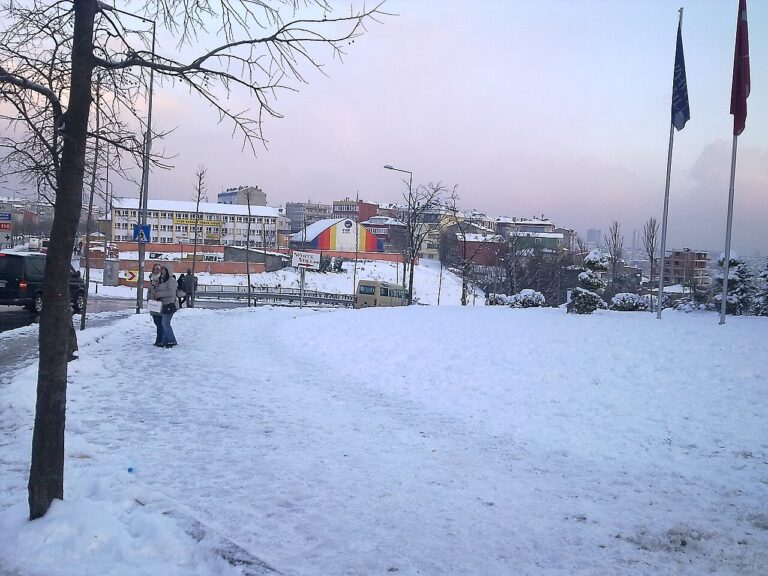
Winter is Sultanahmet’s counterintuitive best buy. The crowds evaporate, the hotel prices collapse to half the summer rate, and the indoor sights — the cisterns, the hammams, the bazaars — come into their own. The occasional snow turns the old city into a postcard, and the low winter light photographs beautifully.
The highs. Half-price hotels, empty monuments, the hammam at its essential best, and the rare magic of snow on the Blue Mosque.
The lows. Short days (sunset around 5 p.m.), damp cold, rain on many days, and some rooftop venues closing for the season.
The verdict. For the flexible and the budget-conscious. If you can wrap up warm and plan around the short days, winter offers the most intimate, most affordable version of Sultanahmet.

The Calendar of Events Worth Planning Around
- April: The Istanbul Tulip Festival fills the parks; the weather turns spring.
- May–June: Prime walking season; the Suleymaniye and the bazaars at their calmest relative to demand.
- Ramadan (moving dates): The old city’s evening fast-breaking brings street food and lights to the squares; some restaurants adjust hours. Eid weeks bring domestic tourism and crowded bazaars.
- July–August: Peak season in every sense — book everything far ahead.
- September–October: The sweet spot: summer weather, autumn light, thinning crowds.
- November–December: The winter lull begins; prices drop; the Christmas-New Year week brings a brief spike.
The Decision Guide
Still undecided? Answer these three questions:
Do you hate heat and crowds? Go April–May or September–October. You get the best weather with the least friction.
Is your schedule flexible and your budget tight? Go December–February. Half-price hotels, empty monuments, and the snow lottery.
Do you want the maximum atmosphere and don’t mind the crowds? Go July–August, and do it properly: early mornings, midday underground, sunset ferries.
Are you planning a wider Turkey trip? Time Sultanahmet for the spring or autumn shoulder seasons to match the coast’s best weather too — the Aegean and Mediterranean are at their finest May–June and September–October.
Month by Month: The Quick Guide
For a fast read on any specific month you’re considering:
- January. The coldest, quietest, cheapest month. Snow possible; the hammam economy thrives.
- February. Still winter, still cheap, slightly longer days. A good month for the indoor sights.
- March. The turn begins: warmer, greener, and the tulip bulbs starting. Prices still low.
- April. The tulip festival peaks; the weather turns properly spring. The classic early-season month.
- May. Prime walking weather, the bazaars at their calmest relative to demand, the terraces open. The safe first-timer month.
- June. Long, warm days and growing crowds; the shoulder season at its best before peak prices.
- July. High summer: heat, crowds, and full prices. Sunset ferries and rooftop evenings at their best.
- August. The peak of the peak; book everything early, follow the summer playbook religiously.
- September. The heat eases, the crowds thin, the sea stays warm. The start of the insider’s season.
- October. The sweet spot: golden light, thin crowds, falling prices. The connoisseur’s month.
- November. Autumnal and calm; the rooftops begin closing, the hotels drop toward winter prices.
- December. The winter lull, the Christmas-New Year spike, and the quiet run-up to the new year.
If you cannot choose a season, choose the principle instead: travel in the shoulder months — April–May or September–October — and you get most of the best of all four seasons at once.
The Takeaway
The best time to visit Sultanahmet is the time that fits you. Spring for the tulips and the perfect days, summer for the long evenings and the full festival atmosphere, autumn for the golden light and the calm, winter for the prices and the peace. Match the season to your priorities — weather, budget, or solitude — and the old city will meet you more than halfway in any of them. The only real mistake is not coming.
And if the season is still a coin flip, weight it toward the shoulder months: the April–June and September–October windows carry most of the beauty of every season with the least of its costs. Whatever you choose, the monuments will be there — they have waited fifteen hundred years, and they will wait for you. The one decision that truly matters is not the month but the mindset: go early, go slow, and give the old city the hours it deserves. The season will do the rest.
Frequently asked questions
What is the best month to visit Sultanahmet?
October is the strong all-round answer: summer warmth, autumn light, thin crowds, and reasonable prices. May is the runner-up.
Are there any weeks to avoid entirely?
The peak weeks of August, the Eid holiday weeks, and the Christmas–New Year period bring the heaviest crowds and the highest prices. None are worth avoiding outright — the city absorbs them — but if you have flexibility, the shoulder weeks around them give you the same season with a fraction of the pressure.
Is it worth visiting Istanbul in winter?
Yes, for the right traveler: the crowds vanish, the hotels halve their prices, and the indoor sights — cisterns, hammams, bazaars — are perfect for the season. Pack properly and embrace the short days.
When is the tulip festival in Istanbul?
The Istanbul Tulip Festival runs through April, when the city’s parks and squares bloom. It is the classic reason to visit in spring.
What is the hottest month?
August, closely followed by July — expect high twenties to mid-thirties with humidity. The old city’s indoor sights and evening ferries are the escape valves.
When are the crowds worst in Sultanahmet?
July and August, plus the Eid holiday weeks. The monuments are busiest mid-morning; the bazaars peak at lunch.
How does Ramadan affect a visit to Sultanahmet?
During the daylight fasting hours some restaurants stay shuttered or serve quietly, and a few sights adjust their hours. The evenings transform: the fast-breaking brings street food and lights to the squares, and the old city glows. Eid weeks bring domestic tourists and crowded bazaars. Ramadan is a wonderful time to visit if you plan around the rhythm; just check hours before you rely on a specific restaurant.

All Over Information
The All Over Information editorial team researches and writes practical English-language guides to Turkey. Facts are checked against official and local sources before publication, prices are published as dated ranges rather than quotes, and guides are revised when things change. We accept no sponsored posts, paid placements or paid links.
More guides like this
Sultanahmet in Winter: What to Expect
Winter is Istanbul's secret season, and Sultanahmet is its best-kept secret.

Where to Stay in Sultanahmet: Neighborhood Guide
Sultanahmet is the classic first-night choice in Istanbul, and with good reason: the neighborhood puts you in the middle of everything, on…

A Solo Traveler’s Guide to Sultanahmet
Istanbul is one of the best solo travel cities in the world, and Sultanahmet is its best solo neighborhood.

A First-Timer’s Guide to Sultanahmet
Most first trips to Istanbul start in Sultanahmet, and most of them should.

History and Culture of Sultanahmet
No neighborhood on earth compresses more history into a smaller space than Sultanahmet.

How to Get to Sultanahmet from Istanbul
Sultanahmet sits in the middle of a transit network that connects the whole of Istanbul, which is good news: reaching it from…