Kastamonu is a superb base for exploring the Black Sea hinterland, and the province around it packs an extraordinary variety into short distances. Within an hour or two of the city you can ski on Ilgaz Mountain, stand above the vast gorge of Valla Canyon, wander the garlic fields of Taşköprü, or drive the historic Independence Road to the sea. This guide rounds up the best day trips from Kastamonu, with honest notes on driving times and what each one offers.
Ilgaz Mountain National Park
An hour south of the city, Ilgaz Mountain rises above the forests, and its national park is the classic escape from Kastamonu. In winter it is the region’s ski center, with runs, a lift, and dependable snow; in summer it turns into hiking and picnic country, with pine woods and high meadows.
The drive over the Ilgaz pass is one of the great mountain roads of northern Turkey, climbing through forest with views that open across the whole Black Sea region. In winter, chains are often required and the pass can close briefly in heavy snow, so check conditions before setting out.
Give the mountain a full day: ski in season, walk the trails in summer, and eat a mountain lunch of trout and cheese at one of the park’s simple restaurants. The air alone is worth the drive, and the contrast with the valley is total.
Daday and the Horse Country
Daday, an hour west of the city, is the horse country of Kastamonu, a district whose identity has been bound to horsemanship for centuries. The town is quiet, but the horse culture lives on in its stables, its festivals, and the skill of its riders.
If you can time your visit to a festival or race day, you will see the tradition in full: running, riding displays, and the pride of a community that bred some of the best-known horses of the region. On ordinary days, the appeal is the countryside around the town, green valleys and forested hills that invite slow driving.
Combine Daday with a mountain route and a village lunch, and you have a full and easy day. It is the least touristed of the province’s destinations, and for many travelers it is the most memorable.

Taşköprü and the Garlic Country
Taşköprü, an hour from the city, is the garlic capital of Turkey, and its white, pungent bulbs carry a protected regional name. The town itself is a pleasant provincial place, but the countryside around it, with the garlic fields laid out on the valley terraces, is the real sight.
In summer, the garlic harvest brings the district’s festival, with stalls, cooking, and the local pride on full display. In other seasons, the market town still sells garlic in strings and bundles, along with the produce of the surrounding farms.
Drive out in the morning, walk the market, and eat lunch in the town, ordering the garlic-heavy dishes with confidence. Taşköprü is a day trip with a genuine sense of place, and the garlic is a souvenir that travels well.
Tosya and the Rice Plain
East of the city, Tosya is the rice country of the province, a district whose long-grained rice has been prized for centuries. The town sits in a wide river valley, and the flooded rice paddies of the growing season give the landscape an unexpected, almost watery beauty.
Tosya is a working market town, and its interest is in the ordinary life of the plain: the mills, the markets, and the rice sold by the sack. In harvest time, the valley is busy and the town is at its liveliest.
The drive from Kastamonu crosses pleasant farmland, and the trip can be combined with a loop through the eastern districts. It is a quiet, unhurried day, best for travelers who like the rhythms of provincial Turkey.

Küre Mountains and Valla Canyon
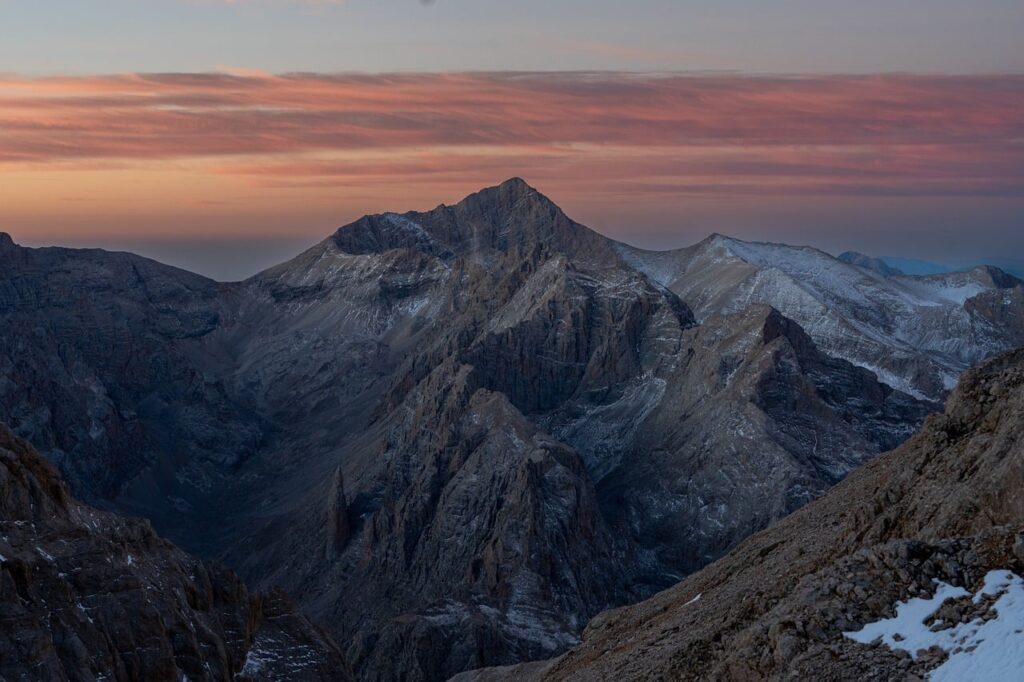
The Küre Mountains National Park, beyond the town of Pınarbaşı, is the wildest country in the province, and its centerpiece is Valla Canyon. This vast limestone gorge, cut by a river over millions of years, drops hundreds of meters from the forested rim to the water below.
The canyon is experienced from paths and viewpoints above the gorge, and the scale of it is genuinely humbling. Around it, the park’s trails pass through old beech and pine forest, and the villages of the park keep the rhythms of mountain life. This is a place for walkers.
Reaching it takes about two hours from Kastamonu, so it is a full-day trip. Wear sturdy shoes, carry water, and check trail conditions at the park office. For the adventurous, Valla Canyon is the highlight of the province.
Pınarbaşı and Horma Canyon
The small town of Pınarbaşı, gateway to the national park, is also the start of Horma Canyon, a narrower and more intimate gorge than Valla. The trail into Horma follows the river beneath sheer walls, crossing footbridges and passing pools and small waterfalls.
Horma is more approachable than its grand neighbor, and a morning can cover the classic walk. The town itself, with its pensions and simple restaurants, makes a practical lunch stop, and the park office can advise on conditions.
A combined day, Horma in the morning and the Valla viewpoints in the afternoon, is the classic way to see the park country. It is a long but rewarding day, and the mountain quiet stays with you.
İnebolu and the Independence Road
The coastal town of İnebolu, about two hours from the city, is a day trip with real historical weight. During the Turkish War of Independence, it was the landing point for arms and supplies that were carried inland along the route now known as the Independence Road.
The road itself, climbing from the coast through the mountains to Kastamonu, can be driven as a day loop, with the route’s memorials and markers along the way. İnebolu’s old town, with its timber waterfront houses and its quiet harbor, is the reward at the coast.
This trip combines history and scenery in a way no other day trip does. Drive the historic road, walk the town, and you have covered both the province’s past and its most beautiful landscapes in one day.
Cide and the Coastal Cliffs
The coast at Cide, further west, is the most dramatic shoreline in the province: long beaches between headlands, and cliffs that fall straight into the Black Sea. The drive from Kastamonu crosses the mountains before dropping to the sea, and the first view of the coast is the moment of the day.
Cide is a simple coastal town, busy in the short summer season and quiet otherwise. Its beaches, the forested slopes behind them, and the coastal road with its views make it the province’s best sea day trip.
Allow the full day and the full drive, and check the weather before committing, since the sea road is at its best in calm conditions. For sun, swimming, and cliffs, Cide is the answer.

Safranbolu, the UNESCO Town
For one of Turkey’s great sights, the UNESCO-listed town of Safranbolu lies about two hours from Kastamonu, and it makes a superb day trip. Its valley of timber houses, restored to a standard few towns can match, is the finest old Ottoman townscape in the region.
Safranbolu rewards a slow day: the old bazaar, the mansion museums, the hilly lanes, and the view from the Hıdırlık hill above the town. The crowds are bigger than anything in Kastamonu, but the town is genuinely special.
Combine it with the drive through the mountain country between the two cities, and start early to make the most of the day. It is the most popular trip on this list, and the popularity is deserved.
Combined Loops and Extended Routes
Several of these destinations combine naturally into loops, and a little planning doubles the value of a day. Pınarbaşı, the park viewpoints, and a return through the mountain villages make one full circuit; İnebolu and the Independence Road make another; and Taşköprü with a drive through the garlic country can open into a wide circle of the western districts.
The coastal route deserves particular mention: İnebolu and Cide can be joined in a long, rewarding day along the Black Sea, returning to Kastamonu through the mountains by a different road. The drive is longer than a single-town trip, but the variety, sea, cliffs, and forest, is unmatched.
Wherever you go, ask locally about the state of the roads before committing, especially in winter and after rain. The people of the region drive these routes daily and know exactly what the weather has done to them. A good question at breakfast can save you an afternoon of backtracking.
Planning Your Day Trips
A few notes will help you plan. Driving times in this province are honest rather than optimistic: the mountain roads are scenic but slow, so add time generously. Start early, carry water and snacks, and keep fuel in mind, since services thin out in the high country.
Weather is the main variable. Winter brings snow and ice to the passes and the ski season to Ilgaz, spring and autumn offer the best light and temperatures, and summer is hot in the valleys but pleasant in the mountains. Check road conditions before any mountain trip in winter.
Most of these trips need a car or a hired driver, so budget accordingly. A sensible plan is two days for the city and two or three for the surrounding country, choosing among the mountain, the coast, and Safranbolu according to your interests.
Frequently asked questions
Which day trip from Kastamonu is the best?
For most travelers, the Küre Mountains and Valla Canyon are the standout, with their dramatic gorge and untouched forest. Ilgaz Mountain is the best choice for winter sports, and Safranbolu is the trip for lovers of Ottoman architecture, best visited in the soft light of spring or autumn. Ilgaz suits winter visitors, and Safranbolu suits lovers of old towns.
How far is Safranbolu from Kastamonu?
Safranbolu lies about two hours by road from Kastamonu, crossing mountain country on the way. It is easily done as a day trip, though many travelers add an overnight to enjoy the town at its quietest, in the early morning and evening. The drive crosses fine mountain country in both directions.
Do I need a car for day trips from Kastamonu?
For the countryside destinations, yes. Ilgaz, Daday, the Küre Mountains, and the coast are all effectively unreachable without a car or hired driver, and public transport between the districts is limited. A rental car unlocks the province. Local minibuses serve the main towns, but they stop short of the parks and gorges.

All Over Information
The All Over Information editorial team researches and writes practical English-language guides to Turkey. Facts are checked against official and local sources before publication, prices are published as dated ranges rather than quotes, and guides are revised when things change. We accept no sponsored posts, paid placements or paid links.
More guides like this

Where to Stay in Kastamonu
Kastamonu is a city you want to wake up in, and where you sleep makes a real difference to how it feels.

Top Things to Do in Kastamonu
Kastamonu is one of those cities where the list of things to do is longer than the city itself is large.
A First-Timer’s Guide to Kastamonu
Kastamonu is a city that feels like a discovery, even though it has been an important place for centuries.

Best Local Food in Kastamonu
Kastamonu is one of the great food cities of the Black Sea region, and its reputation rests on two world-class products: pastırma,…
History and Culture of Kastamonu
Kastamonu is a province where history is unusually visible.