Kastamonu is one of those cities where the list of things to do is longer than the city itself is large. A hilltop castle, a medieval quarter of timber houses, a great mosque, serious museums, and a food culture built on pastırma and çekme helva all fit into a compact valley center, with national parks and mountain country a short drive away. This guide lists the top things to do in and around the city, roughly in the order a visitor might tackle them.
1. Climb the Castle Above the City
Kastamonu’s castle is the city’s landmark, a fortress on a steep hill above the river whose walls have overlooked the valley since the Byzantine centuries. The climb from the old town is the traditional way up, and it is steep enough to earn the view.
At the top, the panorama explains everything about the city: the old quarter spilling down the slope, the minarets rising from the valley floor, and the forested mountains closing in on every side. The walls themselves, much repaired over the centuries, are atmospheric, and the summit is rarely crowded.
Go in the early morning for the light, or in the evening when the castle is floodlit and the city glows below. The climb takes about twenty minutes from the old town, and the reward is the best photograph you will take in Kastamonu.
2. Walk the Timber Houses of the Old Town
Beneath the castle, the old town preserves one of the finest collections of traditional Ottoman houses in Turkey. The Kastamonu houses, built of timber frames with projecting upper floors and tiled roofs, line the narrow lanes that climb the valley sides.
The best streets run between the castle hill and the Şeyh Şaban-ı Veli complex, where restored houses now serve as guesthouses, shops, and cafes. Some houses are open as museums, showing the interiors as they were lived in: the wooden sofas, the painted ceilings, the courtyards with their wells.
This is a walking neighborhood, and the pleasure is in the wandering. Allow a couple of hours, look up as much as forward, and accept that you will get lost at least once. That is how the old town is best discovered. In the late afternoon the streets quiet down and the light turns golden on the timber facades, which is the moment when the quarter looks its oldest and most beautiful.
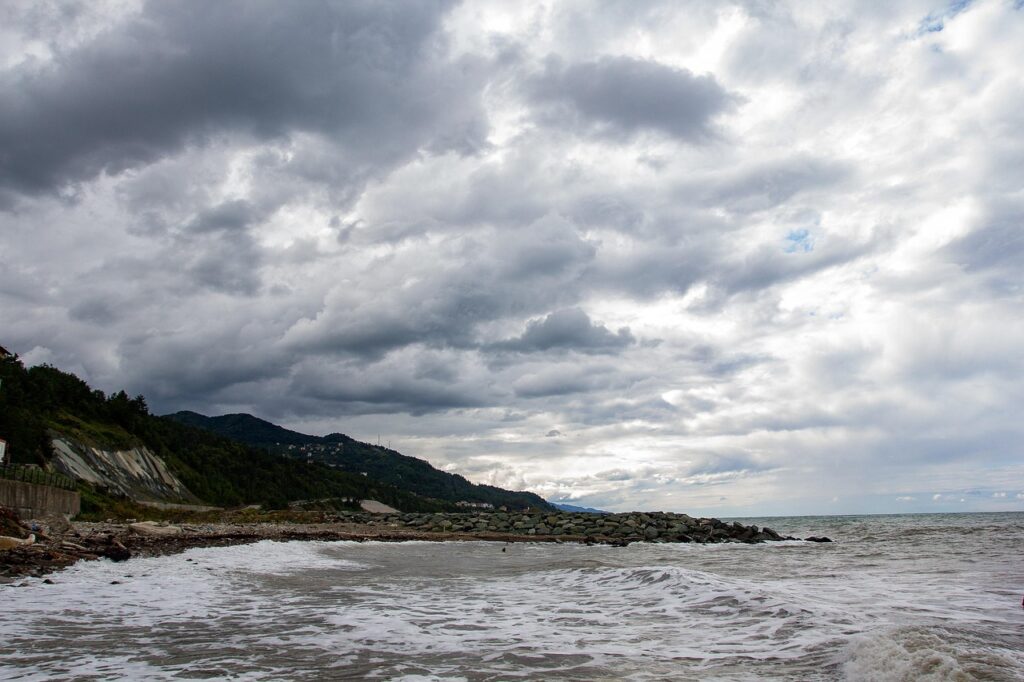
3. Visit the Şeyh Şaban-ı Veli Complex
The spiritual heart of Kastamonu is the complex of Şeyh Şaban-ı Veli, the sixteenth-century Sufi sheikh whose tomb draws pilgrims from across Turkey. The complex combines a mosque, the tomb, and a medrese, all arranged around a calm courtyard on the slopes above the old town.
The tomb itself is a place of quiet devotion, and the small museum in the complex tells the story of the sheikh and the order that bears his name. Visitors of all faiths are welcome, and the staff are accustomed to explaining the site to the curious.
Dress modestly, remove your shoes at the tomb, and give yourself time to absorb the atmosphere. The walk up from the old town passes through some of the city’s finest streets, so the journey is part of the experience.
4. See the Nasrullah Mosque and the Bazaar Quarter
The Nasrullah Mosque, built in the early sixteenth century, is the great mosque of Kastamonu and the anchor of the city center. Its stone courtyard and fountain, its carpets, and its calm interior make it one of the most beautiful religious buildings in the region.
Around the mosque, the bazaar quarter spreads through the surrounding streets: the old covered market, the copper workshops, the shops of the confectioners, and the tea gardens along the river. This is the working heart of the city, where the day’s business is done over glasses of tea.
Spend an afternoon here. The mosque is free to enter outside prayer times, the market rewards browsing, and the riverside cafes are the perfect place to watch the city pass by. It is the most authentic afternoon Kastamonu offers, and the pace of it, slow, sociable, and unhurried, is the pace of the city itself.
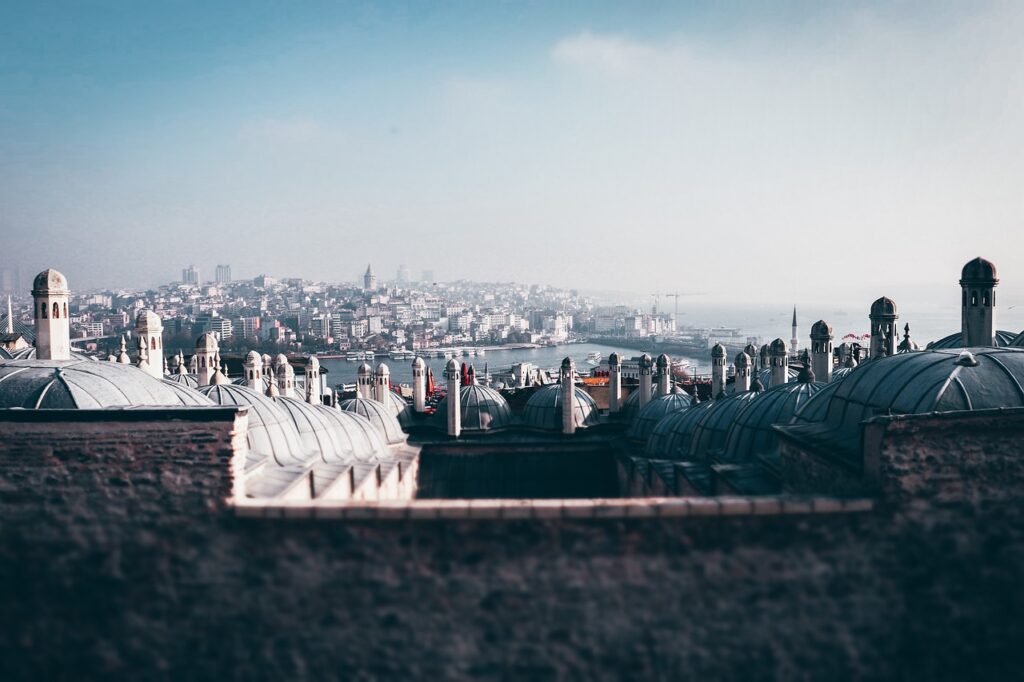
5. Tour the City’s Museums
Kastamonu punches well above its weight in museums. The archaeological museum presents the province’s history from prehistory through the Roman and Byzantine centuries, with well-arranged displays of tools, pottery, and sculpture.
The ethnographic collections and the restored mansion museums show how the region lived: the timber houses, the copper and woodwork of the mountain villages, the textiles and costumes of the Black Sea hinterland. Together they give a vivid picture of a culture built on forests, farms, and crafts.
Allow half a day for the museums, starting with the archaeological collection for the overview. In winter they are the best use of your time, and in any season they add depth to the streets you will walk outside.
6. Taste Pastırma in the Old Quarter
Pastırma is Kastamonu’s most famous product, and the city still makes it the traditional way: beef cured with salt and coated with a spiced paste called çemen, then air-dried for weeks. The workshops of the old quarter hang their slabs openly, and the smell is the smell of the city.
The best way to taste it is to buy a slice from a producer and eat it on the spot, perhaps wrapped in bread with a little cheese and tomato. Cooked pastırma appears in breakfasts and in the local menus, but the cured slice is the purest expression of the craft.
Ask where the pastırma is made, watch the hanging rows of cured meat, and buy a little to take home. It keeps well, and it is the most flavorful souvenir in northern Turkey.

7. Buy Çekme Helva by the Kilo
The city’s sweet signature is çekme helva, a pulled halva made from flour, butter, and sugar, worked into fine, fibrous strands that dissolve on the tongue. It is produced in the pastry shops of the center, and the window displays alone are worth a look.
Buy it fresh, by the kilo, and eat it the way locals do: with tea, after a meal, or as a snack during the day. It is lighter than the sesame-based tahini halva found elsewhere, and its texture is unique to this region.
Çekme helva also makes the perfect gift, and most shops will wrap it for travel. Ask for a taste before you buy, and do not be surprised if one slice leads to a kilo. It is that good.
8. Drive Ilgaz Mountain
An hour south of the city, Ilgaz Mountain rises above the forests, and its national park is Kastamonu’s great outdoor escape. In winter it is a ski center, with runs, a lift, and snow through the early months; in summer it is a hiking and picnic country of pine woods and high meadows.
The road over the Ilgaz pass is one of the classic mountain drives of northern Turkey, climbing through forest to the summit with wide views back over the Black Sea region. In winter, chains are often needed, and the pass can close in heavy snow.
Give it a full day. Ski in season, walk the trails in summer, and eat a mountain lunch of trout and cheese at one of the park’s simple restaurants. The contrast with the city is the point, and the air is the best in the region.
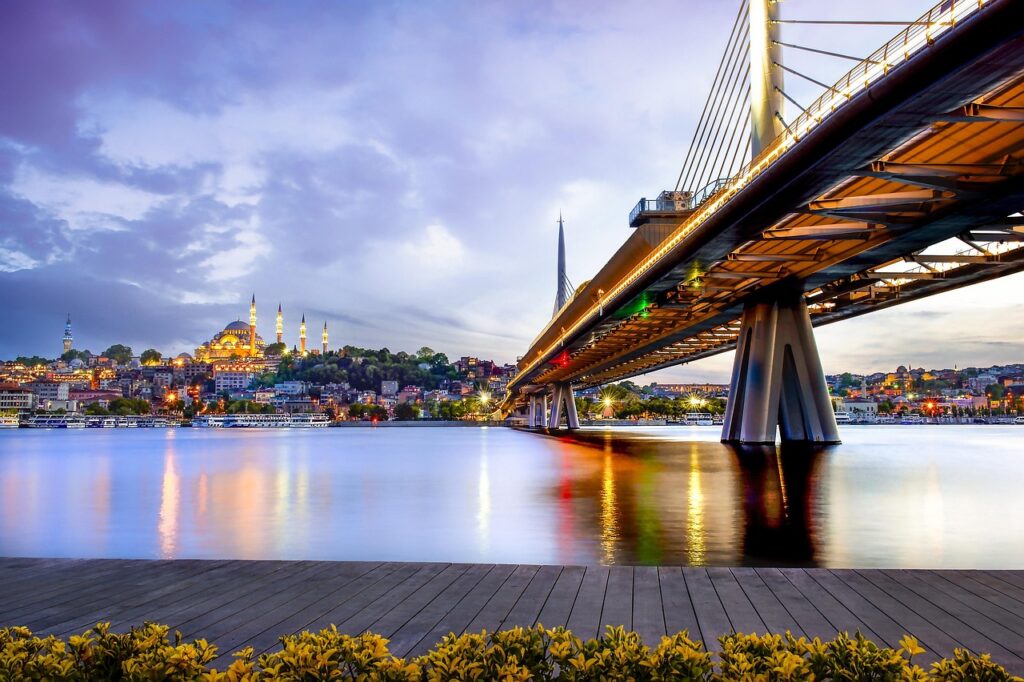
9. Hike the Küre Mountains and Valla Canyon
The Küre Mountains National Park, beyond the town of Pınarbaşı, protects some of the wildest country in northern Turkey. Its centerpiece is Valla Canyon, a vast limestone gorge cut by a river, with cliffs that drop hundreds of meters to the water below.
The canyon is viewed from paths and viewpoints above the gorge, and the scale of it is genuinely humbling. Around it, the park’s forest trails pass beech and pine, seasonal pastures, and villages that still live by the old mountain rhythms. This is a place for hikers, not spectators.
Reaching it takes about two hours from Kastamonu, so it is a full day. Wear sturdy shoes, carry water, and check the trail conditions at the park office. For the adventurous, this is the highlight of the province.
10. Discover Daday’s Horse Country
Daday, a town an hour from the city, is the horse country of Kastamonu, famous for its horsemanship and its traditional horse culture. The region’s horses have been bred here for centuries, and the town’s identity is bound up with them.
Today Daday is a quiet market town, but the horse culture lives on in its festivals, its stables, and the skill of its riders. If you are lucky enough to visit on a festival day, you will see racing, riding displays, and the pride of a community that has never lost its connection to the animals.
Outside festival days, the appeal is the countryside: green valleys, forested hills, and the unhurried pace of a town that tourism rarely reaches. Combine Daday with a mountain drive and a village lunch, and you have a perfect day out.
Frequently asked questions
How long do I need to see the main sights of Kastamonu?
The city’s core, including the castle, old town, Şeyh Şaban-ı Veli complex, Nasrullah Mosque, and museums, takes one full day at a comfortable pace. With the food stops, pastırma and çekme helva included, plan a day and a half before heading into the countryside. The food stops deserve the extra half day, so plan for it.
What is the best season to visit Kastamonu?
Spring and autumn are ideal for the city, with mild weather and clear light on the old town. Summer is hot but pleasant in the mountains, and winter brings snow, the ski season at Ilgaz, and a quieter, atmospheric city beneath the floodlit castle. Whenever you come, the castle and the old town set the scene.
Is Kastamonu suitable for families?
Very much so. The castle climb and the old town lanes are an adventure for children, the museums are manageable in short doses, and the food, especially çekme helva, is a guaranteed success. The national parks offer easy, safe trails for all ages in good weather. The trails are short, and the mountain drives are gentle enough for all ages.

All Over Information
The All Over Information editorial team researches and writes practical English-language guides to Turkey. Facts are checked against official and local sources before publication, prices are published as dated ranges rather than quotes, and guides are revised when things change. We accept no sponsored posts, paid placements or paid links.
More guides like this
Where to Stay in Kastamonu
Kastamonu is a city you want to wake up in, and where you sleep makes a real difference to how it feels.
History and Culture of Kastamonu
Kastamonu is a province where history is unusually visible.

A First-Timer’s Guide to Kastamonu
Kastamonu is a city that feels like a discovery, even though it has been an important place for centuries.

Day Trip Ideas from Kastamonu
Kastamonu is a superb base for exploring the Black Sea hinterland, and the province around it packs an extraordinary variety into short…

Best Local Food in Kastamonu
Kastamonu is one of the great food cities of the Black Sea region, and its reputation rests on two world-class products: pastırma,…