Karakoy is a year-round quarter — the ferries and the galleries, the fish tables and the coffee shops run through all four seasons — and each season gives the quarter a different character. The spring brings the soft light and the moderate crowds; the summer brings the long evenings and the fullest waterfront; the autumn brings the golden light and the easing crowds; the winter brings the lowest prices and the quiet port. This guide covers the seasons of the quarter — the weather, the crowds, the prices, and the character of each — so the traveler can match the visit to the season.
The Seasons at a Glance
The quarter’s year divides cleanly. Spring (March–May) is the renewal: the light soft, the crowds building, the quarter’s life waking from the winter. Summer (June–September) is the peak: the heat, the long evenings, the waterfront at its fullest, the prices at their top. Autumn (September–November) is the golden season: the light low and beautiful, the crowds easing, the quarter at its most pleasant. Winter (December–February) is the quiet season: the cold and the rain, the lowest prices, the port’s life at its most local. The choice is the traveler’s — the energy of the summer, the ease of the autumn, the prices of the winter — and each season has its case.
Spring: March to May
Spring is the quarter’s renewal — the season of the soft light and the waking life. The light over the Golden Horn softens with the season; the crowds build from the winter’s quiet toward the summer’s peak; and the quarter’s life picks up its pace — the ferries fuller, the galleries’ new seasons, the coffee shops spilling onto the pavements. The weather is the season’s gift: the mild days, the cool mornings, the warmth building toward the summer, the rain of the early spring giving way to the blue of the late. The spring visit is the quarter at its freshest — the light, the life, the city waking up — with the crowds and the prices still moderate.

Summer: June to September
Summer is the quarter’s peak — the season of the long evenings and the fullest waterfront. The heat is real — the afternoons in the high twenties and the thirties — and the water answers it: the breeze off the Golden Horn, the ferries crossing for the air, the evenings cool with the strait’s wind. The waterfront is the season’s stage: the bridge and the promenade at their fullest, the balık ekmek boats at their busiest, the terraces and the rooftops filling for the sunsets. The nights are the season’s gift: the meyhanes and the fish tables, the bars of the new quarter, the waterfront lit against the dark. The prices are at their top and the crowds at their fullest, and the visitor who comes for the energy gets the quarter at its most alive.
Autumn: September to November
Autumn is the quarter’s golden season — the light, the ease, and the crowds gone. The low autumn sun throws the long shadows across the bridge and the waterfront; the water turns gold and silver under the autumn sky; and the old city’s skyline across the Golden Horn catches the amber of the season. The crowds ease with the summer’s end: the promenade walkable, the tables findable, the quarter at its most pleasant. The galleries run their autumn seasons; the coffee shops have the room; and the weather holds the summer’s warmth into the October. The autumn visit is the quarter at its best — the light, the ease, and the life of the season.
Winter: December to February
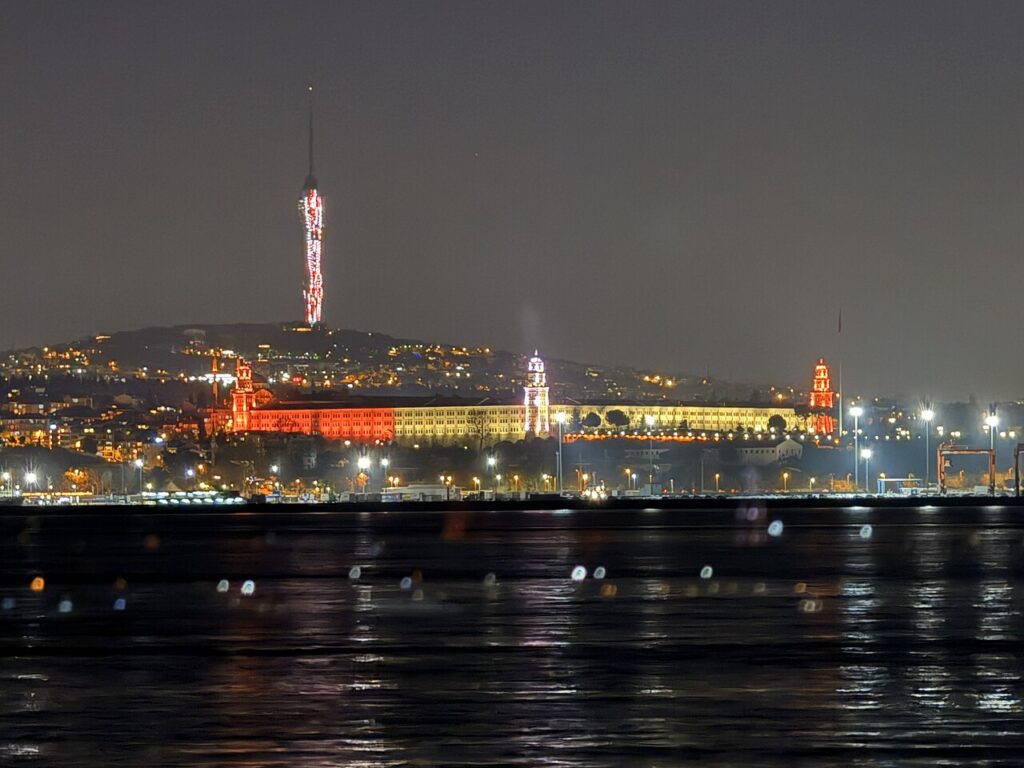
Winter is the quarter’s quiet season — the lowest prices and the most local port. The weather is the gray of the city: the cold, the rain, the wind off the water, the rare snow that transforms the quarter — the bridge and the tower under the white, the ferries moving through the flakes. The indoor layers come into their own: the galleries and the coffee shops, the meyhanes and the fish tables, the warm rooms of the old buildings. The December weeks bring the festive decorations; the New Year is the season’s great event, the fireworks over the Bosphorus from the waterfront. The crowds thin and the prices drop with them — the hotels of the quarter at the year’s floor. The winter visit is the quarter at its most local — the quiet, the prices, and the warm rooms of the port.
The Month-by-Month Notes
January–February: The coldest and quietest months — the prices at the floor, the snow a rare possibility, the port’s life at its most local. March: The first of the spring — the light softening, the crowds still thin. April–May: The golden shoulder — the mild weather, the moderate crowds, the quarter’s life waking toward the summer. June: The summer begins — the long evenings, the waterfront filling, the manageable crowds. July–August: The peak — the heat, the crowds, the prices, the quarter at its most alive. September: The summer holding — the warm days, the crowds easing, the light turning golden. October: The classic choice — the golden light, the quiet crowds, the quarter at its most pleasant. November: The transition — the cooler days, the galleries’ autumn seasons, the prices easing. December: The festive month — the decorations, the New Year, the winter’s prices.

The Seasoned Decision
Choose by the kind of trip you are planning. A trip for the energy is a summer trip — the waterfront at its fullest, the long evenings, the quarter at its most alive. A photography trip is an autumn or a winter trip — the golden light of the autumn, or the dramatic winter light and the rare snow over the water. A culture trip is an autumn or a spring trip — the galleries’ new seasons, the moderate crowds, the quarter’s life at its most pleasant. And a budget trip is a winter trip — the prices at the floor, the port’s life at its most local. The traveler who matches the season to the trip gets the version of the quarter they came for; the traveler who matches the trip to the season gets the best of both.
The Practical Notes
A few things make the seasonal choice easier. The shoulder seasons are the value: the spring and the autumn give the best light and the moderate crowds at the moderate prices — the sweet spot of the quarter’s year. The summer needs the plan: the heat and the crowds call for the water in the afternoons and the terraces in the evenings — book the hotels and the tables ahead. The winter needs the kit: the waterproof coat and the layers make the gray season a pleasure, and the warm rooms of the quarter are built for it. The water runs all year: the ferries cross in every season, and the winter crossings — the gray water and the gulls — are the photographers’ secret. And the events move: the Islamic calendar shifts the holidays through the year — check the dates before you book.

The Festival and the Calendar Notes
Beyond the seasons, the quarter’s calendar has its own landmarks. Ramadan — the holy month, which moves through the calendar each year — transforms the evenings: the fasts break at sunset and the waterfront and the old city fill with the iftar life, the nights running late. The New Year is the winter’s great event: the quarter’s festive evenings, the fireworks over the Bosphorus. And the fixed landmarks of the traveler’s own calendar — the long summer weeks, the school holidays — bring their own crowds and their own prices. The practical note: check the dates before you book, because the Islamic calendar moves and the festive weeks of the quarter are the ones to plan around.
The Takeaway
Karakoy is a year-round quarter, and each season gives it a different character — the soft light of the spring, the long evenings of the summer, the golden light of the autumn, the quiet and the prices of the winter. The choice is the traveler’s: the energy, the ease, the light, or the budget — and the quarter delivers on all of them. Match the season to the trip — the summer for the waterfront, the autumn for the light, the winter for the prices — and the gateway quarter gives you the version you came for, in the season that suits it best.
Frequently asked questions
What is the best time to visit Karakoy?
The autumn — the golden light over the Golden Horn, the quiet crowds, and the quarter at its most pleasant — with the spring as the close second.
Is Karakoy worth visiting in winter?
Yes — the lowest prices of the year, the port’s life at its most local, and the festive weeks of December.
When is the quarter most crowded?
The summer — July and August above all — when the waterfront, the terraces, and the nights are at their fullest.
When is the light best for photography?
The autumn and the winter — the golden light of the autumn and the dramatic winter light, with the rare snow over the water.
Does it snow in Karakoy?
Occasionally — a few days a year in January or February — and when it does, the bridge and the tower under the white are the photographers’ moment.

All Over Information
The All Over Information editorial team researches and writes practical English-language guides to Turkey. Facts are checked against official and local sources before publication, prices are published as dated ranges rather than quotes, and guides are revised when things change. We accept no sponsored posts, paid placements or paid links.
More guides like this
Family-Friendly Activities in Karakoy
Karakoy is a family quarter — safe, easy, and full of the things children actually enjoy.
History and Culture of Karakoy
Karakoy is the gateway quarter of Istanbul — the port at the mouth of the Golden Horn where the city's history and…
Karakoy Airport and Transport Guide
Karakoy sits at the gateway of Istanbul's transport — the tram across the bridge, the ferries at the piers, the Tünel up…
Top 10 Things to Do in Karakoy
Karakoy is the gateway quarter of Istanbul — the port at the mouth of the Golden Horn, where the bridge spans and…

A First-Timer’s Guide to Karakoy
Karakoy is the waterfront quarter at the mouth of the Golden Horn — the old port of Istanbul reborn as the city's…

Best Local Restaurants in Karakoy
Karakoy is the dining quarter of the new Istanbul — the waterfront where the fish sandwiches of the bridge sit beside the…