Kastamonu is a city that feels like a discovery, even though it has been an important place for centuries. Tucked between the Black Sea coast and the high mountains of northern Turkey, it offers a medieval castle above a river, one of the best-preserved old quarters in Anatolia, and a food culture, built around pastırma and çekme helva, that is famous across the country. It also played a quiet but vital role in the Turkish War of Independence, which locals remember with real pride. This guide covers what to see, how to get there, and how to make the most of a first visit.
Why Kastamonu Deserves Your Time
Kastamonu is often called one of Turkey’s best-kept secrets, and the cliché fits. The city combines a hilltop castle, timber-framed houses that climb the valley sides, and a string of museums and monuments, all without the crowds of the better-known regions. It is a city you can actually feel, not just photograph.
The surroundings add to the appeal. The province reaches from the Black Sea to the mountains, taking in the ski slopes of Ilgaz, the canyons of the Küre Mountains, and the horse country of Daday. In a few days you can move from a medieval town to a national park without ever feeling rushed.
The food completes the picture. Pastırma, the cured beef that Kastamonu made famous, and çekme helva, the pulled halva sold in every shop window, are reason enough to visit. Add honest prices and hospitable people, and you have one of the most rewarding cities in northern Turkey.
Getting to Kastamonu
Kastamonu sits inland from the Black Sea, roughly midway along Turkey’s northern coast, and it is reached mainly by road. The nearest airports are at Ankara, about four hours away by car, and at the coastal city of Sinop, and many visitors combine the journey with a drive through the mountains.
Intercity buses serve Kastamonu from Ankara, Istanbul, and most major cities, and the otogar is a short ride from the center. The bus from Ankara is the most common approach, crossing the Ilgaz range and dropping into the city’s valley in about four hours.
By car, the approach from the south crosses the Ilgaz pass, which can be icy in winter, while the route from the coast is gentler. Once in the city, the center is compact and walkable, with the castle, museums, and old quarter all within reach of the riverside.
The Castle and the Old Town
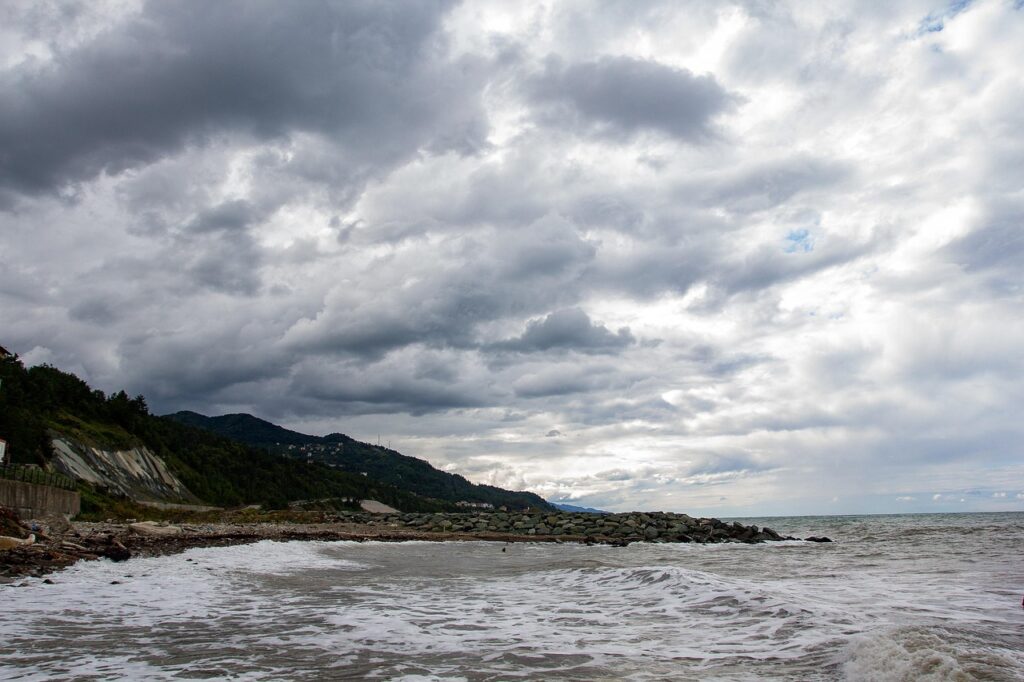
Kastamonu’s castle crowns a steep hill above the river, and its walls, much rebuilt over the centuries, still dominate the skyline. The climb from the old town is steep but short, and the reward is a panorama over the valley, the minarets, and the tiled roofs of the old quarter.
Below the castle spreads the old town, a remarkable survival of timber-framed Ottoman houses. The Kastamonu houses, with their projecting upper floors and tiled roofs, are among the best preserved in Turkey, and the lanes between them feel centuries old. Some have been restored as guesthouses and shops.
Allow a morning for the pair of them: the castle for the view, the old town for the stroll. The light in the early morning, when the houses catch the sun, is the photographer’s hour, and the evening, when the castle is floodlit, is the walker’s reward.
Şeyh Şaban-ı Veli and the Religious Heritage
Kastamonu has been a center of religious learning and Sufi life for centuries, and its most important site is the complex of Şeyh Şaban-ı Veli, a revered Sufi sheikh of the sixteenth century. The complex combines a mosque, a tomb, and a courtyard, and it remains a living place of devotion.
The tomb of the sheikh draws pilgrims from across Turkey, and the atmosphere is calm and dignified. Around it, the associated medrese and its small museum explain the history of the order and the city’s religious life. Visitors are welcome, and modest dress is expected.
The complex sits on the slopes above the old town, and the walk to it passes through some of the city’s best-preserved streets. Combine it with the castle for a full morning of climbing, and let the quiet of the courtyard reward the effort.
Nasrullah Mosque and the City Center
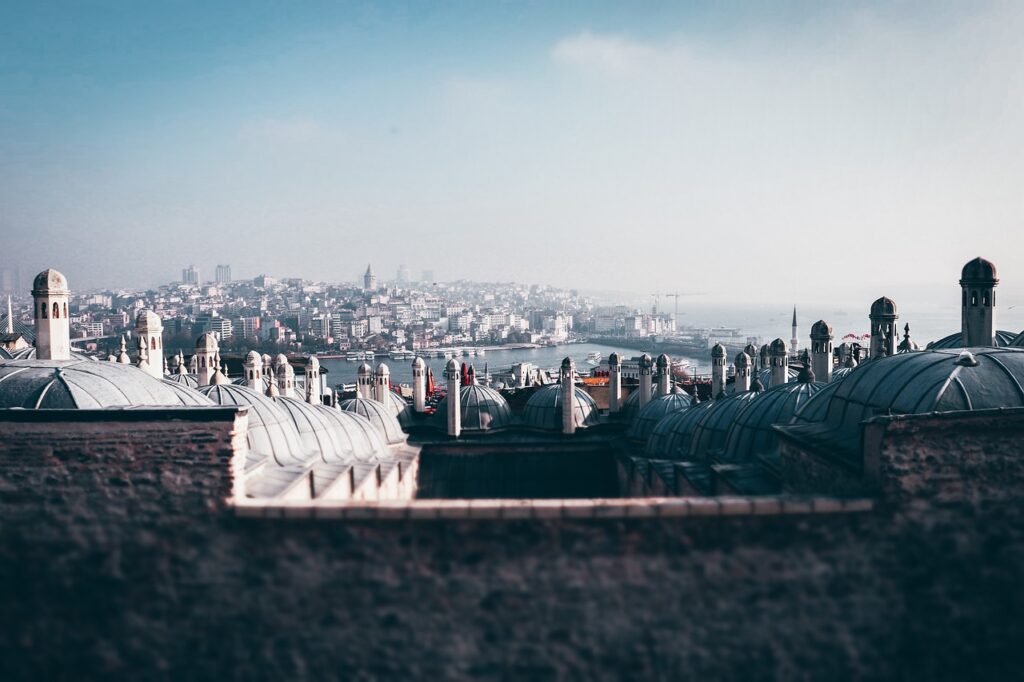
At the heart of the modern city stands the Nasrullah Mosque, the great mosque of Kastamonu, built in the early sixteenth century. Its stone courtyard and elegant interior mark it as the city’s principal place of worship, and its fountain and square anchor the daily life of the center.
Around the mosque, the old bazaar quarter spreads through the streets: covered markets, coffee houses, and the shops that sell the city’s famous products. The bedesten, the old covered market, and the surrounding lanes are the best place to see Kastamonu at work, from copperware to confectionery.
Spend an afternoon here, moving between the mosque, the market, and the tea gardens by the river. The center is compact, so the pace is easy, and the mix of religious, commercial, and everyday life is exactly what makes Turkish cities so absorbing.
The Independence Road Heritage
In the Turkish War of Independence, Kastamonu played a role out of all proportion to its size. The city was a key point on the supply route that carried arms and ammunition from the Black Sea port of İnebolu to the forces fighting in the interior, a route known as the Independence Road.
The story is told in the city’s museums and memorials, and the route itself, now marked and preserved, can be followed as a walking and driving trail through the mountains. It is a powerful experience: the same valleys that today are peaceful were once a lifeline of a nation at war.
For visitors, the heritage adds depth to the city’s character. Kastamonu’s pride is not only in its medieval past but in its modern founding story, and locals will gladly tell you about the women of the city who carried supplies on their backs when the roads could not be used.

Museums and Collections
Kastamonu is rich in museums for a city of its size, and several are genuinely excellent. The archaeological museum holds finds from the province’s long history, from prehistoric tools to Roman and Byzantine material, arranged in a clear and modern display.
The ethnographic collections show the life of the region: the traditional houses, the copper and woodwork of the mountain villages, the costumes and textiles of the Black Sea hinterland. The restored mansions of the old town, some open as house museums, add a lived-in sense of the past.
Allow half a day for the museums, starting with the archaeological collection for the overview. They are especially valuable in winter, when the outdoor sights are less comfortable, and they give useful context for the countryside beyond the city.
Eating in Kastamonu
Kastamonu’s table is built around two famous products. Pastırma, the air-dried, spiced cured beef, is the city’s pride, produced in the workshops of the old quarter and served in breakfasts, sandwiches, and cooked dishes. It is intensely savory, and it is best eaten fresh from the producer.
Çekme helva, the pulled halva made from flour, butter, and sugar, is the city’s sweet signature, sold by the kilo in every pastry shop. Its fine, fibrous texture sets it apart from other halvas, and it is the essential souvenir of any visit.
Beyond the two stars, the local cooking follows the Black Sea region: hearty soups, etli ekmek, corn and cabbage dishes, and the dairy of the mountain pastures. Eat where the locals eat, order by pointing, and save room for the halva with tea.
Day Trips from the City
Kastamonu is an ideal base for the province’s countryside. Ilgaz Mountain, with its ski center in winter and its pine forests in summer, is an hour away; the Küre Mountains National Park, with the dramatic Valla Canyon, lies beyond Pınarbaşı; and Daday, the horse country of the region, is close to the city.
The Black Sea coast at İnebolu and Cide, with their timber towns and cliffs, makes a fine day’s drive in fine weather. Each of these destinations deserves its own day, and together they justify a week in the province.
For a first visit, pick one: the mountains in summer or winter, the coast in the long daylight of spring. The roads are good, distances are modest, and the countryside is among the least visited in Turkey, which is exactly its appeal.
Practical Tips for First-Timers
A few practical notes will smooth the visit. Kastamonu is a conservative city, so dress modestly around the religious sites, and expect little English, though the young are increasingly fluent. Cash is useful in the old town and the markets.
The climate is the Black Sea variant: mild and wet in spring and autumn, hot in summer, and cold and snowy in winter. Bring layers and an umbrella, and check road conditions if you plan mountain drives in winter. The city itself is walkable, but a car is valuable for the countryside.
Allow at least two days for the city and one more for a countryside trip. Kastamonu rewards the unhurried traveler, and most visitors leave wondering why they had not come sooner. That is the secret of the city, and it is one worth keeping.
Frequently asked questions
How many days should I spend in Kastamonu?
Two days covers the city well: the castle and old town, the Şeyh Şaban-ı Veli complex, the museums, and the food. Add a third day for a countryside trip to Ilgaz, the Küre Mountains, or the Black Sea coast, and you have a complete short break. The mountain air and the food make even a short stay worthwhile.
What is Kastamonu famous for?
Kastamonu is known for its well-preserved Ottoman old town and castle, its role in the Turkish War of Independence as part of the supply route from the Black Sea, and its food, especially pastırma and çekme helva. The province also includes Ilgaz Mountain and the Küre Mountains National Park. Its well-preserved old town makes the history easy to see on foot.
How do I get to Kastamonu?
Kastamonu is reached mainly by road. Intercity buses connect it to Ankara, Istanbul, and other major cities, with the Ankara bus taking about four hours. The nearest airports are at Ankara and Sinop, and the mountain passes can be icy in winter, so check conditions. Plan around the mountain passes, which can close in heavy weather.

All Over Information
The All Over Information editorial team researches and writes practical English-language guides to Turkey. Facts are checked against official and local sources before publication, prices are published as dated ranges rather than quotes, and guides are revised when things change. We accept no sponsored posts, paid placements or paid links.
More guides like this

Day Trip Ideas from Kastamonu
Kastamonu is a superb base for exploring the Black Sea hinterland, and the province around it packs an extraordinary variety into short…
Where to Stay in Kastamonu
Kastamonu is a city you want to wake up in, and where you sleep makes a real difference to how it feels.
History and Culture of Kastamonu
Kastamonu is a province where history is unusually visible.

Top Things to Do in Kastamonu
Kastamonu is one of those cities where the list of things to do is longer than the city itself is large.

Best Local Food in Kastamonu
Kastamonu is one of the great food cities of the Black Sea region, and its reputation rests on two world-class products: pastırma,…