The Aegean Region of Turkey is where the country’s most storied history meets its most beautiful coastline. Ancient Greek cities rise among olive groves, whitewashed towns overlook turquoise bays, and the cuisine is among the best in the country. This complete guide covers the region’s geography, its essential destinations, and the practical knowledge you need to explore it well, from the ruins of Ephesus to the beaches of the Datca peninsula.
The Aegean Region at a Glance
The Aegean Region runs along Turkey’s western coast, facing the Aegean Sea and the Greek islands beyond. It includes the city of Izmir and its surrounding provinces, the fertile valleys of the Gediz and Buyuk Menderes rivers, and a coastline that stretches from the Dardanelles to the shores opposite Rhodes. The region is the cradle of some of the ancient world’s greatest cities.
The region’s character is defined by the meeting of sea and history, and both are present everywhere you turn. Ancient ruins scatter through the countryside, olive groves cover the hills, and the coastal towns live between fishing, tourism, and agriculture. The climate is classic Mediterranean, with hot, dry summers and mild, wet winters.
The Aegean is Turkey’s most popular region for foreign visitors after the Mediterranean coast, and it is easy to see why: the density of ancient sites, the beauty of the coastline, and the quality of the food make it an almost perfect travel destination.
Izmir: The Pearl of the Aegean
Izmir, the region’s capital and Turkey’s third city, is a lively port on the Aegean coast. The city’s modern energy sits above a history that reaches back to ancient Smyrna, and its waterfront promenade, the Kordon, is one of the country’s great urban spaces. The city is famous for its cosmopolitan, open character, and its waterfront cafes are a beloved meeting place for all generations.
The city’s attractions reward relaxed exploration: the ancient agora, the elevator tower of Asansor with its views, the bazaars of the old Kemeralti district, and the cafes and restaurants along the waterfront. Izmir is also a base for day trips to Ephesus, Bergama, and the beaches of Cesme.
Give Izmir at least two days, and let the city’s rhythm set the tone. The food scene is excellent, the people are famously warm, and the sunsets over the bay are unforgettable.

Ephesus: The Ancient Capital
Ephesus, near the town of Selcuk, is the Aegean region’s greatest ancient site and one of the best-preserved classical cities in the world. The city was a Roman metropolis of more than two hundred thousand people, and its marble streets, libraries, and theaters still convey its grandeur.
The site rewards a slow visit. The Library of Celsus, the Great Theater, the terraced houses with their frescoes, and the street of the Curetes are the highlights, and the crowds are best avoided in the early morning. The nearby Temple of Artemis, once one of the seven wonders, and the house of Mary complete the circuit.
Ephesus is best visited with a guide or a good audio tour, because the history is dense and the stories bring the stones to life. Plan at least half a day, and combine the site with the town of Selcuk and its museum.
Bergama: The City of Pergamon
Bergama, the ancient Pergamon, stands on a dramatic hill north of Izmir. The city was a great Hellenistic capital, and its acropolis held one of the ancient world’s most famous libraries and the altar that now stands in Berlin. The ruins on the hill are among the most atmospheric in Turkey.
The site rewards the climb: the theater cut into the hillside, the temples, and the sweeping views over the plain below. Below, the Asklepion, an ancient medical center, and the Red Basilica add to the story. The modern town of Bergama has its own bazaar and a relaxed, authentic character.
Bergama is a full-day destination, and it offers a different experience from Ephesus: wilder, higher, and less crowded. History lovers will find it one of the region’s most rewarding sites.

Cesme and Alacati: The Peninsula of Breezes
The Cesme peninsula, west of Izmir, is the region’s most fashionable coast. Cesme itself is a lively town with a castle, thermal springs, and beaches, while Alacati, a few kilometers inland, is famous for its stone houses, boutiques, and windsurfing lagoon. The peninsula is a summer playground of the highest order.
Alacati is the star: a beautifully restored old town of stone houses, cobbled streets, and an atmosphere that mixes Aegean tradition with contemporary style. The food scene is excellent, the beaches are nearby, and the windsurfing and kitesurfing are among the best in the world.
The peninsula is at its liveliest from June to September, and it draws a stylish crowd. Outside summer, it is quiet and charming, and the spring wildflowers are a delight.
The Northern Aegean: Ayvalik and Assos
The northern Aegean coast holds some of the region’s most characterful towns. Ayvalik, on the Gulf of Edremit, is a town of old stone houses, olive groves, and islands, with a strong Greek architectural heritage. Its neighbor, Cunda Island, adds beaches and seafood restaurants.
Assos, further south, is a small village that climbs a hill to the temple of Athena, with views across to the Greek island of Lesbos. The village’s stone houses and harbor make it one of the region’s most romantic stops, and the sunset from the temple is legendary.
The northern Aegean is quieter and more traditional than the south, and it rewards travelers who like authentic towns, good food, and fewer crowds. The olive oil of the region is among Turkey’s best.

Pamukkale and the Inland South
Pamukkale, inland from the coast, is the Aegean region’s most surreal attraction: terraces of white travertine formed by hot springs, glowing like frozen waterfalls on the hillside. The ancient city of Hierapolis stands above the terraces, with its theater, necropolis, and thermal pools.
The site is best visited in the late afternoon, when the light is golden and the terraces are quieter. Walking the travertine barefoot is a required ritual, and swimming in the ancient pool among the fallen columns is unforgettable. The nearby town of Denizli is the practical base.
Pamukkale is easily combined with the coast, and it adds a completely different landscape to the region’s itinerary. The contrast between the white terraces and the blue coast is one of Turkey’s great sights.
The Southern Aegean: Bodrum and Datca
The southern Aegean, around the Gulf of Gokova, is the region’s most glamorous stretch. Bodrum is a city of whitewashed houses, a crusader castle, and a marina that has been a byword for Aegean style since the twentieth century. The town’s beaches and nightlife are famous.
Datca, on the peninsula that bears its name, is the opposite: a relaxed town of fishermen, orchards, and coves, reached by a dramatic mountain road. The peninsula’s beaches are among the cleanest in Turkey, and the town’s pace is wonderfully slow.
The southern Aegean suits travelers who want sun, sea, and style. Bodrum offers energy and luxury, while Datca offers calm and authenticity, and the two together show the full range of the region.

Food and Markets of the Aegean
The Aegean region is Turkey’s food paradise, famous for its olive oil, herbs, and vegetable dishes. The local cuisine is light and fresh, built around the olive, the lemon, and the garden: stuffed vine leaves, artichokes, wild greens, and seafood. The region’s breakfast is legendary, with dozens of small dishes spread across the table.
The markets of the region are among the country’s best. Izmir’s Kemeralti is a bazaar of enormous variety, while the small town markets of the coast sell the day’s catch, the olive oil, and the local cheeses. The region’s wines, especially around the northern Aegean, are increasingly respected.
Eating in the Aegean is an essential part of the experience. The meyhanes of the coast, the village restaurants, and the seaside fish houses all serve the region’s bounty with generosity and pride.
Getting Around the Aegean Region
The Aegean region is well connected and easy to explore. Izmir’s airport serves international and domestic flights, the rail line runs south along the coast toward Selcuk and beyond, and buses connect all the main towns. The coastal roads are excellent, and a rental car gives the most freedom.
The region’s distances are manageable: Ephesus is an hour from Izmir, Bodrum and Datca are half-day drives, and the northern coast is a day’s journey. The buses are comfortable and frequent, and the minibus network reaches the smaller towns.
Plan the region as a southward or northward journey, moving between the major bases with day trips to the sites. With two weeks, you can see the region’s best at a relaxed pace; with one, focus on the coast between Izmir and Bodrum.
Frequently asked questions
How many days do I need for the Aegean region?
Plan at least ten days to two weeks for the region’s highlights. Spend two days in Izmir, one to two at Ephesus and Selcuk, one at Pamukkale, and three to five on the coast between Cesme, Bodrum, and Datca. With two weeks, you can add the northern Aegean and Bergama.
What is the best time to visit the Aegean region?
April to June and September to October are ideal, with warm days, comfortable nights, and fewer crowds. July and August are hot and busy but perfect for the beaches. The region’s mild winters make it pleasant year-round, and spring brings wildflowers to the ruins.
Should I rent a car in the Aegean region?
A car gives the most freedom for the coastal towns and countryside, but it is not essential. Buses and minibuses connect the main destinations, and tours run from Izmir and the resorts. For a relaxed visit, consider a car for the southern coast and public transport elsewhere.

All Over Information
The All Over Information editorial team researches and writes practical English-language guides to Turkey. Facts are checked against official and local sources before publication, prices are published as dated ranges rather than quotes, and guides are revised when things change. We accept no sponsored posts, paid placements or paid links.
More guides like this

Climate and Best Time to Visit the Southeastern Anatolia Region
Southeastern Anatolia is the warmest corner of Turkey, a land of golden plains and stone cities where the summers are fierce and…
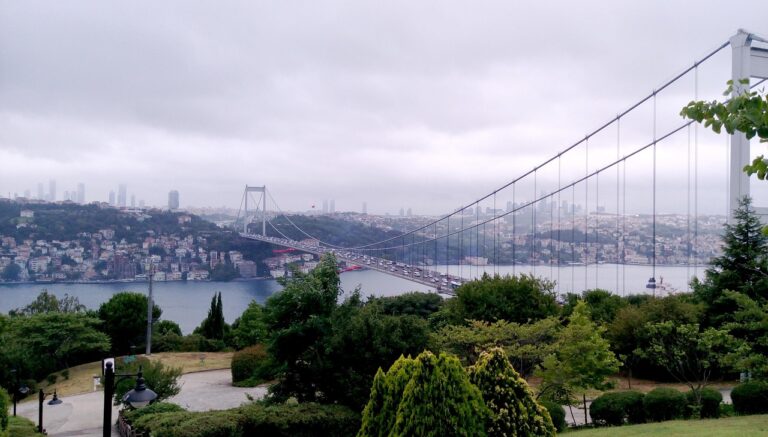
Exploring the Marmara Region: A Complete Travel Guide
The Marmara Region is Turkey's smallest but most dynamic region, wrapped around the Sea of Marmara at the meeting point of Europe…

Exploring the Black Sea Region: A Complete Travel Guide
The Black Sea region of Turkey is the country's greenest corner, a narrow coastal strip backed by steep mountains that catch the…

Best Cities and Towns in the Marmara Region
The Marmara Region packs an astonishing variety into its small territory: a world city, an Ottoman capital, a frontier town, and a…
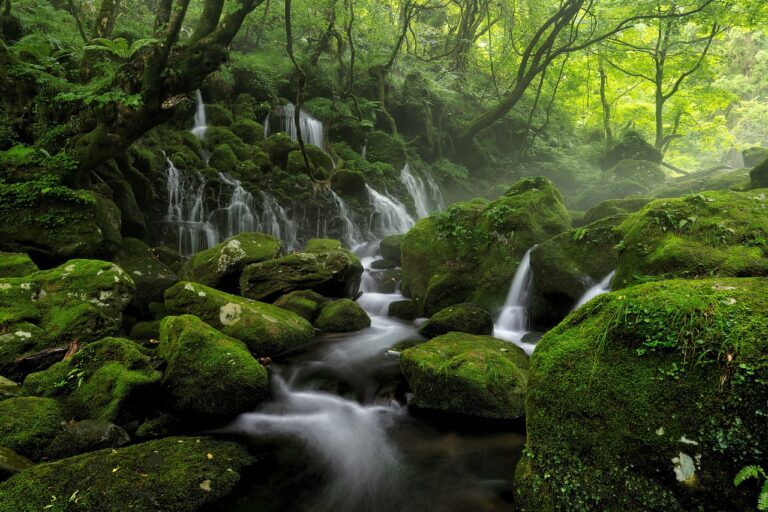
Climate and Best Time to Visit the Aegean Region
The Aegean Region of Turkey enjoys one of the Mediterranean's most pleasant climates: long, dry summers, mild winters, and two beautiful shoulder…

Climate and Best Time to Visit the Central Anatolia Region
Central Anatolia is a high plateau, roughly a thousand meters above sea level, and its climate is one of extremes: cold winters,…