The Aegean Region of Turkey enjoys one of the Mediterranean’s most pleasant climates: long, dry summers, mild winters, and two beautiful shoulder seasons in between. The weather shapes everything about a visit, from the best months for the beaches to the ideal light for the ancient ruins. This guide explains the region’s climate in detail, season by season, so you can choose the perfect time for your priorities.
The Aegean Climate in Brief
The Aegean region has a classic Mediterranean climate, defined by hot, dry summers and mild, wet winters. The sea moderates the temperatures along the coast, while the inland valleys are hotter in summer and cooler in winter. Sunshine dominates the year, with the summer months nearly cloudless.
The region receives most of its rain between November and March, and the coastal winters are gentle, with daytime temperatures often pleasant enough for outdoor activity. Snow is rare on the coast but appears on the higher peaks inland. The sea temperature follows the seasons, warmest in late summer.
For travelers, the practical implication is a long season of comfortable weather. From April to November, the region is inviting, and even the winter months have their charm. Understanding the seasonal rhythm helps you plan the perfect visit.
Spring: The Season of Wildflowers
Spring, from March to May, is the Aegean at its most beautiful. The winter rains leave the hills green, the wildflowers carpet the valleys, and the ancient ruins rise from seas of red poppies and yellow daisies. The temperatures are mild, perfect for walking and exploring.
The sea is still cool in early spring, but the beaches become inviting by May. The crowds are thin, the prices are moderate, and the light is clear and fresh. The spring is also the season of local festivals, from the olive harvest celebrations of the previous autumn to the spring markets.
April and May are the sweetest months for sightseeing. The ancient sites are at their most atmospheric, wrapped in flowers and green, and the temperatures rarely exceed the comfortable range. For photographers and hikers, spring is the season to choose.

Summer: Sun, Sea, and Energy
Summer, from June to September, is the Aegean’s high season, and the region lives up to its reputation. The days are long, hot, and nearly cloudless, and the sea is warm and inviting. The beaches, marinas, and resorts fill with holidaymakers, and the coastal towns buzz with energy.
The heat is real but rarely extreme on the coast, where the sea breeze moderates the afternoons. The ancient sites are best visited in the early morning, before the heat and the crowds peak, and the museums offer midday refuge. The evenings are warm and long, perfect for seaside dinners.
Summer suits travelers who want the beaches at their best and the region at its most alive. Book accommodation well ahead, especially in August, and plan the day’s sightseeing for the cooler hours.
Autumn: The Golden Season
Autumn, from September to November, is many travelers’ favorite season in the Aegean. The summer crowds thin, the sea remains warm well into October, and the light turns golden and soft. The temperatures are still warm enough for the beach, and the evenings are comfortable.
Autumn is the season of the olive and grape harvests, and the region’s food culture is at its richest. The markets fill with the season’s produce, the wineries of the northern Aegean celebrate the vintage, and the restaurants serve the best of the harvest.
September and October are the perfect months for a balanced visit: beach weather, empty ruins, and the region’s landscapes in warm light. For travelers who want the best of both summer and spring, autumn is the season of choice.
Winter: Mild and Quiet
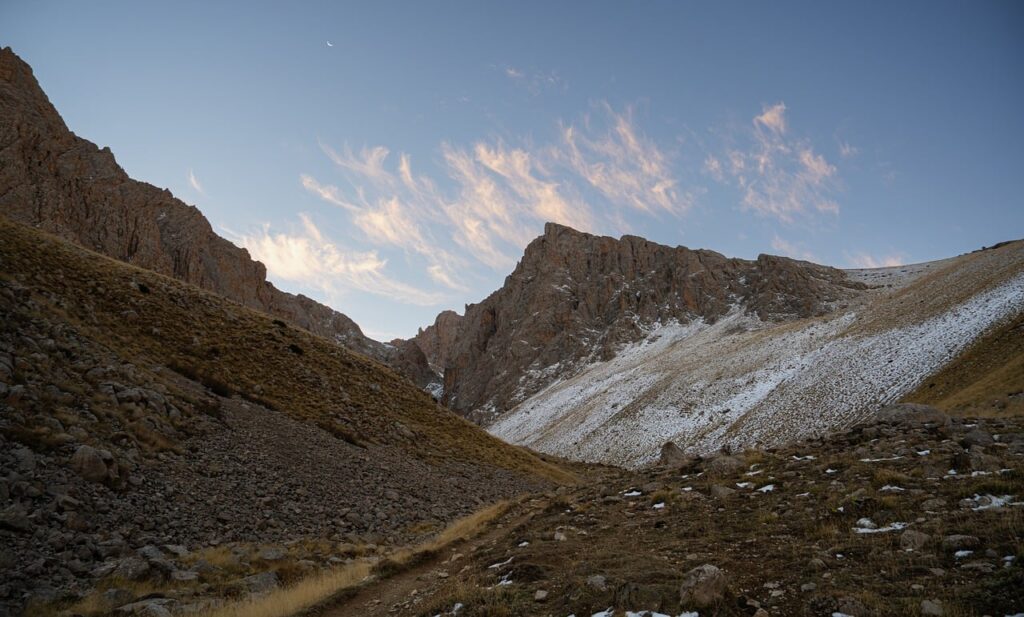
Winter, from December to February, is the Aegean’s quiet season, and the region takes on a different character. The temperatures are mild by northern standards, with daytime highs often in the teens, and the rain brings a fresh green to the landscape. The crowds vanish, and the prices drop.
The winter is a fine time for the region’s indoor and cultural pleasures: the museums of Izmir, the cafes of the coastal towns, and the slow rhythms of the villages. The ancient sites are empty and atmospheric, and the mild days often allow comfortable walking between the showers.
Winter suits travelers who want the region to themselves and who enjoy the off-season charm. The sea is too cool for swimming, but the region’s food, history, and atmosphere reward a winter visit.
The Coast vs. the Inland
The Aegean region’s climate varies between the coast and the interior. The coastal strip enjoys the moderated Mediterranean climate: warm summers, mild winters, and sea breezes. The inland valleys, including the approach to the central Anatolian plateau, are more extreme: hotter in summer, colder in winter.
The difference matters for planning. The coastal towns are pleasant nearly year-round, while the inland sites such as Pamukkale and the mountain villages have shorter comfortable seasons. The higher peaks inland can see snow in winter, and the summer heat inland is more intense.
For a coastal itinerary, the climate is forgiving in every season. For an itinerary that includes the inland sites, plan for the shoulder seasons, when both the coast and the interior are at their most comfortable.

The Wind and the Sea
The Aegean is named for the winds that shape its character, and understanding them helps you plan. The meltemi, the summer northerly wind, is strongest in July and August, bringing clear skies and moderating the heat but stirring the sea. The wind makes the region’s watersports, especially windsurfing at Alacati, world-class.
The sea temperature follows its own rhythm, warmest in August and September and coolest in February. The swimming season runs from May to October, with the most comfortable water in the late summer. The coves and bays of the coast offer sheltered swimming in any wind.
For sailors and windsurfers, the summer wind is a gift. For beachgoers, the sheltered bays of the southern coast offer the calmest water. Knowing the wind helps you choose your base and your activities.
Festivals and Seasonal Events
The Aegean’s calendar adds color to every season. Spring brings the region’s markets and the April festivals of the coastal towns, while summer brings music festivals, the film festival of Izmir, and the lively beach culture. The bayram holidays, which shift through the year, fill the region with family travel.
Autumn brings the harvest celebrations, with the grape harvests of the northern Aegean and the olive picking that begins in November. Winter is quieter, with the region’s museums and cafes at their most peaceful. Checking the calendar can add a memorable event to your visit.
The festivals affect practical planning. During bayram, transport fills and prices rise, while the summer resorts are at their peak from mid-June to early September. A flexible itinerary navigates these rhythms with ease.

Best Months for Each Traveler
Different travelers should choose different months in the Aegean. Beach lovers should aim for June through September, when the sea is warm and the days are long. Sightseers and photographers should choose April, May, September, or October, when the light is beautiful and the crowds are thin.
Families often prefer the school holidays of summer, while couples may love the golden calm of autumn. Budget travelers get the best value in the winter months, when the region is quiet and the prices are low. Sailors and windsurfers should plan for the summer winds.
Whatever your priorities, the Aegean region has a season that suits you. The climate is generous, the seasons are distinct, and the region rewards travel at every time of year.
What to Pack for the Aegean Seasons
Packing for the Aegean region means dressing for sunshine and the occasional change in the weather. Summer calls for light, breathable clothing, a hat, sunscreen, and comfortable shoes for the ancient sites. A light layer is useful for the breezy evenings, and a swimsuit is essential.
Spring and autumn need layers: a light jacket or sweater for the mornings and evenings, comfortable walking shoes, and clothing that works for both ruins and restaurants. An umbrella is wise in spring, when the last rains can appear, and the sun is already strong by late spring.
Winter requires warmer layers and rain gear, with the temperatures mild but the showers frequent. The coastal towns are casual, and a smart-casual outfit covers the region’s restaurants and cultural venues. Packing for layers is the key to comfort in every season.
Practical Weather Tips for Travelers
The Aegean weather rewards a flexible plan. Check the forecast and plan the ancient sites for the clear mornings, saving the indoor museums for the heat of the afternoon or the rainy days. The sea breeze makes the late afternoon ideal for the coast.
The summer sun is intense, so carry water, wear a hat, and plan the midday hours for shade, swimming, or a long lunch. The region’s restaurants and tea gardens are made for the slow hours of the day, and the evenings bring the region’s best atmosphere.
Remember that the weather is part of the Aegean’s beauty. The light on the ruins, the wind on the water, and the green of the spring hills are all gifts of the climate. Travel with flexibility, and the Aegean weather becomes your ally.
Frequently asked questions
What is the best time to visit the Aegean region?
April to June and September to October are the ideal months, with warm days, comfortable nights, and moderate crowds. The sea is warm enough for swimming from June through October, and the ancient sites are at their most pleasant in the shoulder seasons.
Is the Aegean region too hot in summer?
The coast stays comfortable thanks to the sea breezes, though August days are genuinely hot. Morning sightseeing and afternoon beach time are the classic pattern. The inland sites are hotter, so plan them for the shoulder seasons or the early morning.
Can I visit the Aegean region in winter?
Yes, and it has its charms. The winters are mild, the crowds vanish, and the prices drop. The museums, cafes, and villages are atmospheric, and the region is green from the rains. Only the swimming is off the menu until late spring.

All Over Information
The All Over Information editorial team researches and writes practical English-language guides to Turkey. Facts are checked against official and local sources before publication, prices are published as dated ranges rather than quotes, and guides are revised when things change. We accept no sponsored posts, paid placements or paid links.
More guides like this

Hidden Gems of the Southeastern Anatolia Region
Southeastern Anatolia is a region where even the famous sights feel undiscovered, so it comes as no surprise that its true hidden…

Best Cities and Towns in the Black Sea Region
The Black Sea region of Turkey runs for more than a thousand kilometers of coastline, and its towns could hardly be more…

Best Cities and Towns in the Mediterranean Region
The Mediterranean Region of Turkey is a coastline of superlatives: the country's most beautiful beaches, its best-preserved ancient theaters, and its most…

Best Cities and Towns in the Marmara Region
The Marmara Region packs an astonishing variety into its small territory: a world city, an Ottoman capital, a frontier town, and a…
Exploring the Aegean Region: A Complete Travel Guide
The Aegean Region of Turkey is where the country's most storied history meets its most beautiful coastline.

Hidden Gems of the Mediterranean Region
The Mediterranean coast of Turkey is one of the most visited stretches of shoreline in the country, yet most travelers never leave…