Southeastern Anatolia is the warmest corner of Turkey, a land of golden plains and stone cities where the summers are fierce and the winters are mild and short. The region’s climate is the classic continental steppe with a hot twist: long, blazing summers, gentle springs, and a brief, beautiful autumn that many travelers consider the finest season of the year. Understanding the rhythm of the weather here matters more than anywhere else in the country, because it decides when the ancient sites are comfortable, when the bazaars are at their liveliest, and when the great views of Mount Nemrut are at their best. This guide walks you through each season.
The Climate of the Mesopotamian Plain
Southeastern Anatolia sits on a plateau that falls toward the Euphrates and the Tigris, and its climate is dominated by summer heat and winter mildness. The summers are among the hottest in Turkey, while the winters are short, with cold nights but rarely severe weather.
Rainfall is modest and concentrated in the winter and spring months, which turn the plain green before the summer sun burns it gold. The region is dry and sunny for most of the year, with the kind of clear light that makes its stone cities glow and its landscapes seem to stretch forever.
The practical meaning for travelers is a wide comfortable window and a hard summer middle. From October through May, the region is mostly delightful; from June through September, the heat demands a plan. The seasons between are the region’s gift.
Spring: The Green and Golden Season (March to May)
Spring is the region’s most surprising season, when the dry plains transform into a carpet of green and wildflowers and the orchards bloom white and pink. The rivers run full, the water buffalo graze the lush banks, and the landscape looks like a different country.
The temperatures are ideal: warm days, cool nights, and none of the summer’s ferocity. March can still bring cool weather and rain, but April and May are superb, with the ancient sites at their most beautiful against the green.
Spring is the season of festivals and local life, from village celebrations to the busy markets of the cities. For travelers who want the region at its freshest, with the best walking weather of the year, April and May are hard to beat.
Summer: The Fierce Heat (June to August)
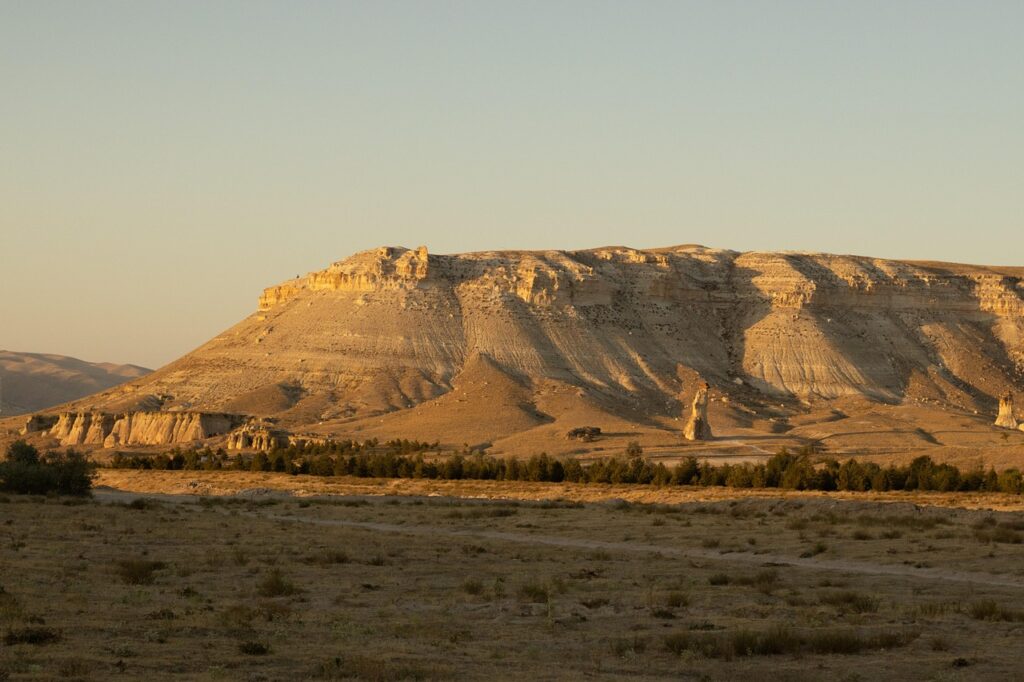
Summer in the southeast is genuinely hot, with temperatures that push toward the extreme in the low-lying cities and on the plains. The sun is relentless, the air is dry, and the midday hours are best spent indoors or in the shade.
The region has learned to live with the heat, and the cities are built for it: thick stone walls, shaded courtyards, and a daily rhythm that moves early in the morning and late in the evening. The bazaars are at their liveliest after the sun goes down.
Summer travel here is possible but demanding. Start the day early, visit the ancient sites at dawn, rest through the middle hours, and enjoy the evenings, which are warm and full of life. The heat is real, but it is manageable with a plan, and the reward is the region’s summer energy, when the evenings are at their liveliest.
Autumn: The Perfect Window (September to November)
Autumn is the region’s finest season and the clear favorite of most travelers. September still holds the summer’s warmth but with softer edges, October brings perfect days and golden light, and November stays pleasant well into the month.
The ancient sites, the stone cities, and the viewpoints of the region are at their most beautiful in the low autumn sun, and the heat of summer is gone. The harvest adds its own character, with the markets full of the region’s produce.
For the best of everything, October is the standout month: warm days, cool nights, clear skies, and the region at its most photogenic. If you can choose your dates freely, this is the window to pick.

Winter: Mild and Quiet (December to February)
Winter in the southeast is mild by Turkish standards, with daytime temperatures often pleasant and nights cold. Frost is possible, snow is rare in the lowlands, and the region settles into its quiet season, when the cities belong to the locals.
This is the cheapest and calmest time to travel, with few visitors, low prices, and the stone cities at their most atmospheric in the soft winter light. The bazaars, tea houses, and restaurants continue their daily life, and the welcome is as warm as ever.
Winter’s limitations are the cold nights, the shorter daylight, and the occasional rain. For travelers who want the region without crowds and without heat, December and January offer a genuine alternative to the main seasons.
The Plain vs. the Mountains
The southeast is not one climate but two. The plains along the rivers are hot, low, and dry, while the mountains of the north, including the ranges that hold Mount Nemrut, are cooler, wetter, and sometimes snowy in winter.
The difference matters on a single trip. A morning on a hot plain and an afternoon on a cool mountain summit can span twenty degrees, and the mountain roads can close in winter when the plains are mild. The region’s vertical variety is part of its appeal.
Plan your route with both in mind: bring layers for the mountains, plan the lowland sites for the cooler hours, and check conditions before the high roads. The contrast between the two climates is one of the region’s pleasures.
Best Time for the Ancient Sites
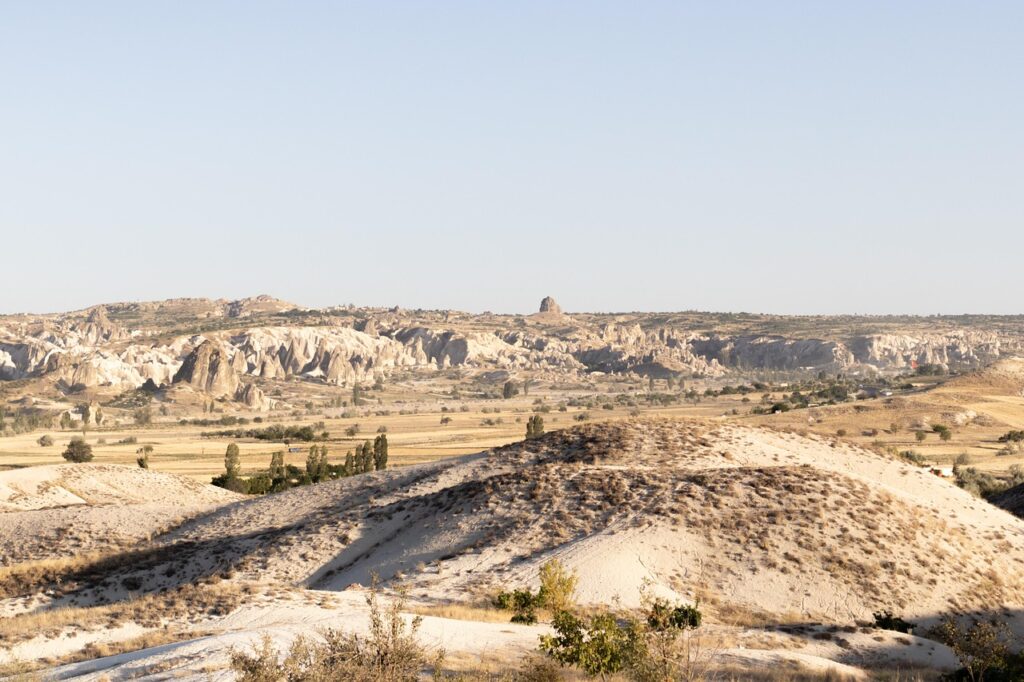
The ancient sites of the region, from Gobekli Tepe to the ruins of the river country, are best visited in spring and autumn, when the temperatures are comfortable and the light is beautiful. These seasons offer the ideal conditions for walking and exploring.
Summer visits are possible with an early start, and the sites are at their most dramatic in the low sun, but the midday heat on the open plains is a serious consideration. Winter visits can be cold and windy, but the emptiness is a reward.
The great rule is to start early in every season: the light is at its best, the sites are quietest, and the day’s heat has not yet arrived. A dawn visit to the region’s ancient places is the memory that lasts.
Best Time for the Cities and Bazaars
The cities of the region, with their bazaars, stone quarters, and outdoor life, are at their liveliest in the mild seasons. Spring and autumn bring perfect conditions for walking the old towns, and the evening streets are full of life in the warm months.
Summer shifts the cities’ rhythm to the evenings, when the heat relents and the tea gardens and restaurants fill. Winter is the quiet season, when the cities show their daily life without visitors, and the tea houses are the warmest places in town.
For the classic experience of wandering the bazaars and the old quarters, October through May is the practical window. The cities are wonderful in every season, but the mild months are the most comfortable for long walks.
Best Time for Mount Nemrut
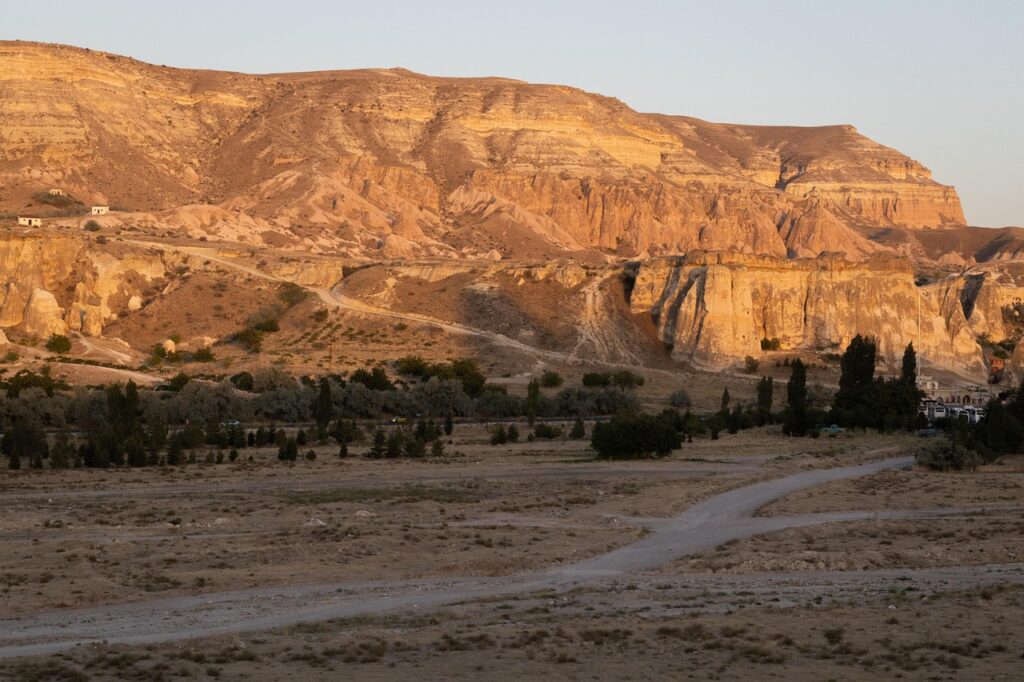
Mount Nemrut, with its colossal stone heads on the summit, is best visited at sunrise or sunset, and the season changes the experience. Spring and autumn offer the most reliable conditions, with clear skies and manageable temperatures.
Summer visits mean an early climb in the half-light to beat the heat, and the summit can still be windy. Winter brings cold, snow, and the possibility of closed roads, though the heads in snow are a spectacular reward for the adventurous.
The mountain’s access road is open from spring to autumn, and the dawn ritual, watching the sun rise over the carved heads and the vast landscape below, is the region’s great experience. Plan the climb for the mild seasons, and check the road conditions in any season before you go.
Festivals, Crowds, and Seasonal Practicalities
The southeast’s calendar is gentle: the main tourist months are spring and autumn, with summer for the determined and winter for the quiet. The region’s festivals, from food events in Gaziantep to cultural programs across the cities, cluster in the mild seasons.
The practical essentials: book accommodation ahead for the popular months, plan the lowland sites for the cool hours in summer, and carry layers for the mountains in any season. The region is compact, so the weather can change with the altitude and the hour.
The honest summary: the region is at its best from October through May, with April, May, and October as the standout months. Choose spring for green and flowers, autumn for golden light, and winter for quiet and value. Every season has its virtues, and the region is generous in all of them.
Frequently asked questions
How hot does the region get in summer?
Summer temperatures in the southeastern lowlands are among the highest in Turkey, with daytime highs that can exceed forty degrees in the hottest weeks. The heat is dry and the nights bring some relief, and the cities are built to cope, with shaded courtyards and an evening rhythm. Plan around the heat rather than against it.
Is winter a good time to visit?
Yes, for travelers who want quiet and value. The days are often pleasant, the nights are cold, and the crowds disappear, making the cities and sites wonderfully calm. The main limitations are shorter daylight and the possibility of cold mountain roads. It is a genuine alternative to the main seasons.
What is the best season overall?
October is the standout month: warm days, cool nights, clear skies, and the golden light that makes the stone cities glow. April and May are equally lovely in a greener register, with wildflowers and festivals. For most travelers, spring and autumn together form the region’s ideal window.

All Over Information
The All Over Information editorial team researches and writes practical English-language guides to Turkey. Facts are checked against official and local sources before publication, prices are published as dated ranges rather than quotes, and guides are revised when things change. We accept no sponsored posts, paid placements or paid links.
More guides like this

Hidden Gems of the Southeastern Anatolia Region
Southeastern Anatolia is a region where even the famous sights feel undiscovered, so it comes as no surprise that its true hidden…

Hidden Gems of the Marmara Region
Beyond the famous skyline of Istanbul and the grand mosques of Bursa, the Marmara Region hides a quieter world: lakeside towns, thermal…
Exploring the Marmara Region: A Complete Travel Guide
The Marmara Region is Turkey's smallest but most dynamic region, wrapped around the Sea of Marmara at the meeting point of Europe…

Hidden Gems of the Aegean Region
Beyond the famous names of Ephesus, Bodrum, and Alacati, the Aegean Region hides a quieter world of ancient cities, village streets, and…

Best Cities and Towns in the Southeastern Anatolia Region
Southeastern Anatolia is a region of extraordinary cities, each with a character so strong that it feels like a different world from…

Exploring the Eastern Anatolia Region: A Complete Travel Guide
Eastern Anatolia is Turkey at its most immense: a high, cold, volcanic plateau where mountains rise above four thousand meters, where Lake…