Every visitor to Arnavutkoy walks the promenade, photographs the yalis, and eats by the water. Few of them climb the lanes, and fewer still find the village that hides behind the famous view. The tour groups pass through in an hour; the village itself asks for a day. The hidden Arnavutkoy is quieter, older, and full of small discoveries: timber houses in faded colors, fountains that have run for centuries, courtyards where the neighborhood gathers, and viewpoints that the ferry passengers never suspect. This guide leads you past the obvious shore and into the corners where the village keeps its secrets.
The Real Arnavutkoy Beyond the Promenade
The famous Arnavutkoy is a strip of waterfront about a kilometer long. The real one is a hill. Step off the promenade at almost any point and the streets rise quickly into a different world, where the timber houses are older, the pace is slower, and the tourists are absent.
The change is immediate. The shops become corner grocers and barbers, the signs become handwritten, and the sound of the water gives way to birdsong and the clatter of kitchens. This is the village where people actually live, and it is open to anyone who climbs. The residents nod hello, the cats supervise, and the feeling of a real neighborhood takes over.
The best approach is to choose a lane that looks too steep and follow it. The dead ends are the most interesting parts, and every terrace holds a view that the promenade cannot match.
The Upper Hillside Lanes
The highest lanes of Arnavutkoy are the least visited corner of the village. Here the wooden houses crowd the slopes in layers, their paint weathered by a century of sea air, and the stairways between them double as the streets. Some of the houses predate the modern age of the Bosphorus by a wide margin.
These lanes are quiet in a way that surprises visitors. On a weekday morning you may hear nothing but your own footsteps, a radio through an open window, and the distant hoot of a ferry. The silence is part of the charm, and the views are the reward.
From the top of the hill the Bosphorus spreads below in a wide panorama, with the yalis reduced to a neat row of rooftops and the Asian shore beyond. Few travelers ever reach this point, and none forget it.

The Old Fountains and Corner Mosques
Scattered through the hillside are the small monuments of everyday Arnavutkoy: stone fountains that once supplied the village water, and corner mosques that served a handful of streets. They are modest, unmarked, and easy to miss, and they anchor the neighborhood’s sense of its own history.
The fountains are worth a pause. Many carry carved dates and inscriptions, and the water still runs in some of them, cool and clear, the same spring that the village drank from before the city mains arrived.
The corner mosques are tiny, with a single minaret and a courtyard the size of a garden. If they are open, step inside for a minute of cool quiet. They are the religious heart of a neighborhood that was once home to many faiths.
Quiet Courtyards and Gardens
Behind the timber facades of the hillside, Arnavutkoy hides a network of courtyards and gardens. Some belong to the old houses, others to the small cafes and guesthouses, and a few are simply green pockets left over from an older street plan.
The gardens are the village’s real treasure. Wisteria and fig trees climb the walls, cats rule the terraces, and the scent of jasmine hangs in the air in early summer. A table in such a courtyard, hidden from the shore, is one of the most peaceful places in Istanbul.
You can find these spaces by following the green. When a garden gate stands open, a polite peek is usually welcomed, and the cafes will happily sell you a tea to enjoy in their hidden corners. Some of the courtyards double as tiny museums of village life, with wells, ovens, and grape arbors that have served the same houses for generations.
The Pier at Dawn
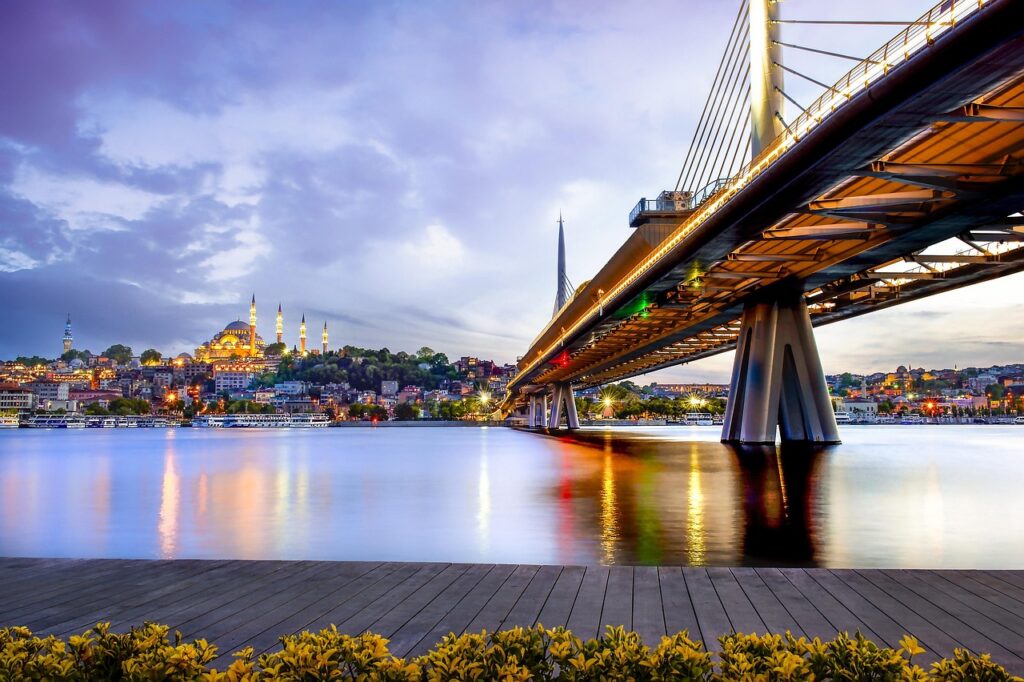
The Arnavutkoy pier is never crowded, but at dawn it belongs to another world entirely. The first ferry arrives before the village wakes, the fishermen take their places along the rail, and the light comes up over the Asian hills in a slow, pink unfolding.
The dawn shift at the pier is a small daily ritual that most visitors sleep through. The fishermen compare catches, the seagulls patrol, and the village’s first coffee shops open their shutters with the first light.
For the traveler who is awake early, it is the quietest, most authentic hour in Arnavutkoy. Bring a tea from the nearest kiosk, find a spot on the pier, and watch the village begin its day.
The Little Shops and Craftsmen
The side streets of Arnavutkoy keep a few old trades alive. The small shops sell everything a village needs, and the craftsmen, the shoemakers, the tailors, and the repair shops, carry on work that has been done in the same buildings for generations.
These are not boutiques, and they do not court tourists. The value is in the watching: a craftsman at his bench, a shopkeeper arranging his window, a bakery pulling trays from the oven. The neighborhood works, and that work is quietly fascinating. Many of the buildings themselves are the attraction, with their old shop fronts and their hand-painted signs preserved from an age before the chains arrived.
Buy something small from these shops if you can. A packet of the daily bread, a handful of the local olives, or a simple repair is a transaction with the real village, and the memory outlasts the purchase.

The Back Streets of the Old Village
The grid of the modern city has not reached the oldest part of Arnavutkoy. The back streets keep their Ottoman-era irregularity: sudden turns, dead ends, stairs that appear from nowhere, and houses that lean toward each other over the lane.
Walking these streets is a small adventure. The map is nearly useless, which is the point, and getting lost for twenty minutes is the best way to meet the village. Every corner offers a new composition of timber, tile, and washing lines.
The reward for the wandering is the detail: carved doors, ironwork balconies, faded paint in colors that no longer exist in the shops, and the occasional glimpse of a courtyard garden through a half-open gate. The back streets also hold the best of the village’s street life, the tea gardens and the barber shops where the neighborhood gathers, and the unhurried conversations that define the day.
Views Only the Residents Know
The residents of Arnavutkoy have their own favorite views, and they are not the ones on the promenade. They are the terraces above the village, the benches beside the mosques, and the gaps between the houses where the Bosphorus suddenly appears, framed like a painting.
One of the best is the view from the upper lanes at the northern end of the village, where the shore curves toward Bebek and the bridge hangs over the water. In the late afternoon the light turns the strait to gold, and the whole panorama belongs to whoever climbed the hill.
Ask a shopkeeper or a cafe owner where the view is, and you will be pointed somewhere wonderful. The locals are proud of their village, and their secret spots are the best ones of all.

The Waterfront After Sunset
After the last ferries of the evening, the Arnavutkoy waterfront changes character. The crowds thin, the restaurants settle into their long service, and the promenade becomes a local place again, where the residents walk their dogs and the night fishermen set up their rods.
The lights of the Asian shore reflect in the dark water, and the passing ships glow like moving lanterns. It is a quieter, more intimate Arnavutkoy than the daytime version, and it belongs to the neighborhood.
Walk the shore late and you see the village’s true face: unhurried, unobserved, and completely at ease with its beautiful surroundings.
Seasonal Secrets: From Winter Fog to Summer Dawn
The hidden Arnavutkoy changes with the seasons, and each one has its secret. In winter, the fog rolls down the Bosphorus and the yalis disappear into the mist, making the village feel like a scene from a century ago. The empty promenade in the cold air is an experience no summer visitor shares.
In spring, the hillside gardens explode into blossom, and the lanes smell of wisteria and jasmine. Summer’s secret is the early morning, when the heat has not yet arrived and the shore is silver with light. The late-autumn evenings, when the last light lingers over a quiet strait, are the connoisseur’s choice of the whole year.
Autumn brings the bonito season and the village’s busiest tables, but the hillside stays calm. The seasonal Arnavutkoy rewards those who visit twice, and the second visit always finds the village changed.
Frequently asked questions
How do I find the hidden parts of Arnavutkoy?
Climb. Almost every lane that rises from the promenade leads into the older village, and the steeper the street, the better the discoveries. Wander without a map, follow the green gardens, and ask a local for the view. The hidden Arnavutkoy is a twenty-minute walk above the shore.
Are the hidden gems of Arnavutkoy free to visit?
Yes. The hillside lanes, the fountains, the courtyards, the viewpoints, and the dawn pier are all public and all free. The only costs are a tea in a hidden courtyard or a purchase from a craftsman, and both are optional.
Is it safe to wander the back streets alone?
Very. Arnavutkoy is one of the safest and most family-oriented neighborhoods in Istanbul, and the back streets are quiet residential lanes. The usual city cautions apply, but the village’s hidden corners feel more like a small town than a city quarter.

All Over Information
The All Over Information editorial team researches and writes practical English-language guides to Turkey. Facts are checked against official and local sources before publication, prices are published as dated ranges rather than quotes, and guides are revised when things change. We accept no sponsored posts, paid placements or paid links.
More guides like this

The Best Day Trips from Arnavutkoy
Arnavutkoy is a small village with a big address book.

Family-Friendly Activities in Arnavutkoy
Arnavutkoy is a small village with a big welcome for children.

Top 10 Things to Do in Arnavutkoy
Arnavutkoy is a small village, but it concentrates more beauty per meter than almost anywhere in Istanbul.
Arnavutkoy on a Budget: Money-Saving Travel Tips
Arnavutkoy has a reputation as one of the smarter addresses on the Bosphorus, but the reputation is only half the story.

Arnavutkoy in Winter: What to Expect
Arnavutkoy in winter is a different village from the summer one, and in some ways a better one.

48 Hours in Arnavutkoy: The Perfect Itinerary
Two days in Arnavutkoy is a slow dive into the most beautiful stretch of the Bosphorus.