Bebek looks simple from the promenade — a crescent of cafés, a park, a stretch of water — but the village keeps its secrets in the details. The visitors walk the shore and see the postcard; the residents know the back lanes, the viewpoints, the small rituals that make Bebek a real place rather than a backdrop. These are the hidden gems of the village: the spots the guidebooks skip and the moments that reward the curious.
The Fishermen’s Corner
At the northern end of the promenade, past the cafés and the crowds, the shoreline turns practical: this is where the fishermen of Bebek work. The old men cast their lines from the shore, the tackle boxes and the buckets of bait spread around them, the gulls waiting for the scraps. It is a quiet, unglamorous corner of the village, and it is one of its most authentic. Sit nearby, watch the patient rhythm of the casting and the waiting, and you will see the Bebek that existed before the brunch crowds — and still does, every morning.
The Yalı Mansions of Arnavutköy
The walk north from Bebek leads into Arnavutköy, the neighboring village famous for its rows of wooden waterfront mansions — the yalıs, the great houses of the Ottoman shore. The promenade gives you the front view, but the real gem is the detail: the carved facades, the weathered wood, the gardens tumbling to the water, the colors that change with the light. The yalıs are private homes, so the pleasure is in the looking, not the entering — and the looking is extraordinary. Walk slowly, and read the houses like a history of the Bosphorus.

The University Terrace at Sunset
The Boğaziçi University terrace is known to locals but missed by most visitors, and at sunset it is the best seat in the village. The climb is steep — the streets rise quickly from the shore — but the terrace opens suddenly onto the whole width of the Bosphorus, the ferries crossing below, the Asian shore catching the last light, the minarets and the hills turning gold. The students gather here with their tea and their books, and the view is the university’s great luxury, free to anyone who makes the climb.
The Bakery Morning Queue
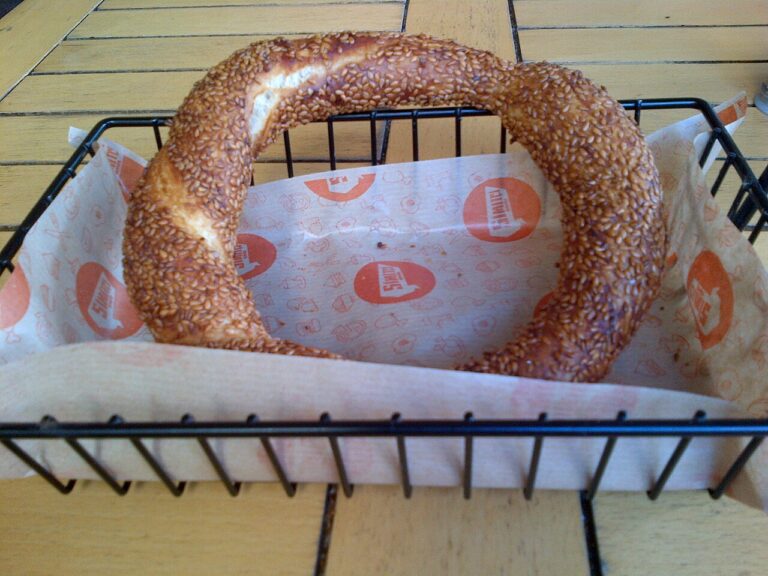
Every neighborhood has its morning ritual, and Bebek’s is the queue at the bakery. Before the cafés open, the residents line up for the day’s bread — the simit fresh from the oven, the pide, the pastries — and the queue is a living census of the village: the nannies and the retirees, the office workers and the students. Join the queue, buy a simit still warm, and eat it on the promenade bench with the morning light on the water. It is the simplest meal in Bebek, and the most local.

The Cats of the Back Lanes
The back streets of Bebek belong, in part, to the cats. The residents feed them, the shopkeepers tolerate them, and the lanes have become a feline kingdom — the tabbies on the garden walls, the kittens under the cars, the dignified elders on the doorsteps. The cat-watching is a quiet pleasure of the village: the slow circuits of the lanes, the small dramas of the feeding times, the trust of the animals who have made the neighborhood theirs. Follow the cats, and you will see the residential Bebek the promenade never shows.
The Quiet Bench at the Ferry Landing
The ferry landing at the south end of the village has a bench that faces the strait, and it is one of the best spots in Bebek for doing nothing. The ferries come and go, the commuters hurry past, the gulls patrol the water, and the bench sits slightly apart from the bustle — close enough to the life of the village, far enough to watch it. Take the bench in the late afternoon, when the light turns the water silver, and you will understand the local definition of a perfect hour.

The Hill Roads Above the Village
The lanes that climb the hill beyond the university open onto roads that wind through the upper reaches of the neighborhood, past the mansions and the embassy grounds, with views that get better with every step. The highest roads look down over the whole curve of the strait, the bridges visible on clear days, the ferries tracing their lines across the water. The walk is steep and long, and almost nobody does it — which is exactly why the residents do, in the evenings, when the air is cool and the light is low.
The Secret Garden
Tucked among the lanes above the village is a small garden the residents know and the visitors never find — a pocket of green behind the old houses, with benches, a fountain, and a view between the rooftops down to the strait. It is not marked on the maps, and it is easy to walk past, which is exactly why it survives. The garden is the village’s quiet room: the place where the old men play backgammon in the afternoon, where the students read in the shade, where the noise of the promenade becomes a distant murmur. Finding it requires a little wandering — follow the lanes that climb, look for the green between the buildings — and the finding is the fun. Sit on a bench, and you have found the heart of the residential Bebek.

The Winter Garden Ritual
The hidden Bebek is at its best in the cold months, when the visitors have gone and the rituals sharpen. The back-street teahouses fill with the regulars, the steam rising from the glasses, the backgammon boards clicking. The fishermen of the northern shore are joined by the winter anglers, wrapped in coats, patient in the cold. The garden benches are empty, but the lanes are alive with the smoke of the wood fires and the light of the windows. Winter is when the village’s secrets are most visible, because there is nothing else to do but notice them. The traveler who braves the cold is rewarded with the real Bebek, unhurried and unobserved.
The Morning Light in the Lanes
The back lanes of Bebek are at their most beautiful in the first hour of the day, when the low sun rakes across the facades and the village is still waking. The light catches the painted wood of the old houses, the bougainvillea glows, and the lanes are empty except for the cats and the early commuters. The morning is also the time for the quiet rituals: the bakery deliveries, the shopkeepers opening their shutters, the first ferry arrivals. The visitor who walks the lanes at sunrise sees a different Bebek from the midday version — slower, softer, more itself. It costs nothing but the early start, and it is the secret the residents keep for the hours when the visitors are still asleep.
The last of the hidden gems is the village’s stillness. At certain hours — the early morning, the late evening, the off-season weekday — Bebek goes quiet in a way that the promenade crowds make easy to forget. The water laps, the gulls call, the ferry horn sounds across the strait, and the village breathes. These are the hours the residents guard, and the visitor who catches them has found the deepest secret of all: the Bebek that exists between the attractions, in the pauses and the silences. Sit through one, and you will understand why the people who live here fight to keep the village the way it is.
The Takeaway
The hidden Bebek is not hidden at all — it is simply the village’s everyday life, visible to anyone who slows down and looks. The fishermen, the bakery queue, the cats, the terrace at sunset, the yalıs of Arnavutköy: these are the details that make the postcard real. Leave the promenade, climb a lane, take a bench, and the village will show you its best self.
Frequently asked questions
What are Bebek’s best-kept secrets?
The fishermen’s corner, the university terrace at sunset, the Arnavutköy yalıs, and the quiet bench at the ferry landing — all free, all rewarding.
Where can I see the real, non-tourist Bebek?
The back streets and the hill roads, the bakery queue in the morning, and the quiet corners of the shoreline — the places the promenade crowds never reach.
Is the university terrace open to visitors?
Yes — the terrace is open to the public and offers the best free viewpoint in the neighborhood.
What is the best time for the hidden Bebek?
Morning for the bakery and the fishermen, late afternoon and sunset for the terrace and the shore, evening for the hill roads.
Are the hidden gems of Bebek easy to find?
They reward wandering — follow the lanes uphill, look for the quiet corners, and ask the residents, who are happy to point the way.
What is the best way to see the residential Bebek?
Walk the back streets without a destination, morning or evening, and let the lanes lead you — the village’s best corners are the unplanned ones.

All Over Information
The All Over Information editorial team researches and writes practical English-language guides to Turkey. Facts are checked against official and local sources before publication, prices are published as dated ranges rather than quotes, and guides are revised when things change. We accept no sponsored posts, paid placements or paid links.
More guides like this


How to Get to Bebek from Istanbul
Bebek sits on the European shore of the Bosphorus, roughly halfway between the city center and the Black Sea, and the journey…

Photography Spots in Bebek You Can’t Miss
Bebek is a photographer's village in the truest sense: the whole shore is a composition, and the light over the Bosphorus does…
Bebek on a Budget: Money-Saving Travel Tips
Bebek has a reputation as one of Istanbul's most expensive neighborhoods, and the waterfront cafés do their best to live up to…

Top 10 Things to Do in Bebek
Bebek is the Bosphorus village where Istanbul comes to breathe — the crescent of cafés along the shore, the green park at…
Shopping Guide: What to Buy in Bebek
Bebek is not a shopping district in the Grand Bazaar sense — there are no carpets and no haggling — but it…