Bebek is a photographer’s village in the truest sense: the whole shore is a composition, and the light over the Bosphorus does the rest. The village concentrates its beauty in a compact stretch of waterfront — the promenade, the park, the fortress, the hills — and each spot offers its own angle on the strait. This guide maps the essential photography locations in Bebek, the best hours for each, and the tricks that turn the village’s beauty into photographs worth keeping.
The Promenade at First Light
The promenade in the first hour of the day is the photographer’s Bebek at its purest. The light is soft and low, the village is still waking, and the promenade is nearly empty — the joggers, the early commuters, the fishermen setting up. The compositions are everywhere: the benches with the water behind, the ferries arriving in the clear light, the village’s facades catching the first sun. The morning mist over the strait, on the cooler days, adds the layer of atmosphere that the midday never offers. Shoot wide for the sweep of the shore, and tight for the details — the moorings, the gulls, the wet stones.
The Park Through the Seasons
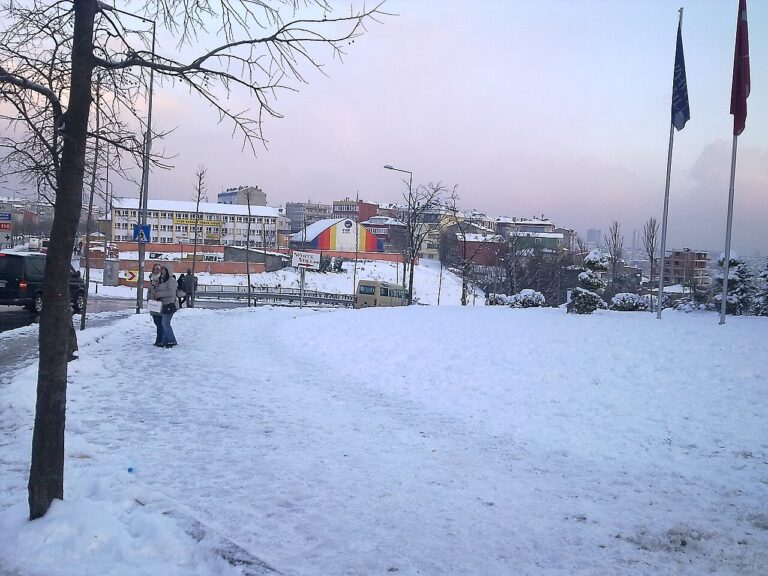
Bebek Park gives the photographer the green frame for the water. The trees frame the strait, the flower beds give the color, and the lawns give the foreground interest that the bare promenade lacks. The park works through the seasons: the blossoms in the spring, the deep green of the summer, the gold of the autumn, the bare branches and the snow of the winter. The park’s benches and its playground add the human element — the families, the children, the quiet readers. Position the water between the trees and you have the layered composition — the green, the blue, the distant shore — that the park was made for.

The Fortress from the Shore
Rumeli Hisarı, the great fortress north of the village, is the most dramatic subject in the neighborhood. The classic shot is from the shore, the massive walls and towers rising above the water with the strait beyond — the composition that says “Bosphorus” in a single frame. The fortress is best in the late afternoon, when the low sun rakes across the stone and the walls glow warm against the water. From the ferry, the fortress appears from the other side, the towers climbing the hill above the strait. Shoot it from both sides, at both ends of the day, and the fortress gives you a different monument each time.
The Hilltop Views
The hills above the village hold the panorama shots. The climb to the university terrace and the roads above it open onto the full width of the Bosphorus — the strait, the ferries, the Asian shore, the bridges on clear days. The terrace is the classic spot, but the higher roads give the even wider views, the village and the water spread below like a map. The late afternoon is the time, when the light turns the water silver and the shadows lengthen across the hills. Bring the telephoto for the ferries and the wide lens for the sweep, and the hills give you the Bebek that the promenade photographers never see.

The Yalıs of Arnavutköy
The walk north past the fortress leads to Arnavutköy and its rows of wooden waterfront mansions — the yalıs, the great houses of the Ottoman shore. The mansions are the photographer’s dream: the painted facades, the weathered wood, the gardens falling to the water, the reflections in the strait. The morning light is the cleanest, the facades glowing softly; the late afternoon adds the warmth. The reflections are the key trick — shoot across the water for the doubled mansions, the houses and their mirror images meeting at the shore. The yalıs are private, so the photography is from the promenade, and the promenade gives all the angles you need.
The Night Shore
The night photography of Bebek is the village at its most magical. The promenade lights come on, the cafés glow along the shore, and the lights of the Asian shore twinkle across the strait. The long exposure turns the water to glass and the ferry lights into trails; the bridge, on clear nights, strings its lights across the dark. The blue hour after sunset is the magic window, when the sky is still deep blue and the lights have just come on. Bring the tripod or find a steady wall, and the night shore gives you the Bebek the day never shows — the village as a string of lights between the water and the dark.

The Street Photography
Beyond the postcard spots, Bebek rewards the street photographer. The promenade is the stage for the human scenes — the joggers, the fishermen, the ferry commuters, the couples, the children — and the candids capture the village’s life better than any posed shot. The back streets hold the quieter scenes: the cats on the walls, the shopkeepers at their doors, the laundry between the buildings, the old houses in the raking light. The market in the surrounding streets gives the color and the commerce. The street photography of Bebek is the practice of noticing — the moments between the attractions, the life that the postcards crop out — and it is the most personal work the village offers.
The Light and the Timing
The timing of the Bebek shoot follows the light, and the light follows the village’s rhythm. The first hour of the day gives the empty promenade and the soft clarity; the late afternoon gives the warmth and the long shadows; the blue hour gives the magic; and the night gives the lights. The midday is for the shaded streets and the interiors, the cafés and the shops that the harsh light spares. The practical trick is the return: the same spot at a different hour is a different photograph, and the village repays the photographer who revisits. The light over the Bosphorus is never the same twice, and the photographer who treats the day as a series of returns collects the village in all its moods.
A final note for the photographer: the gear matters less than the patience. The phone in the pocket at the right hour beats the camera at the wrong one, and the village’s beauty is available to anyone who waits for it. Shoot the postcards, and then shoot the life between them — the Bebek photographs that matter are the ones you notice when you stop looking for them.

The Post-Processing and the Return
The work continues after the shoot, and the Bebek photographs reward the careful return. The editing is the light work — the exposure, the color, the crop — and the village’s images take it well, the blue hour needing the gentle touch and the gold hour none at all. The return to the same spots is the deeper practice: the photograph taken at the first light becomes a different photograph at the last, and the series tells the story the single shot cannot. The sharing is the final step — the album, the print, the post — and the Bebek photographs carry the light of the Bosphorus into the homes they reach. Shoot, edit, return, and share: the village’s beauty is the gift that keeps giving, long after the trip ends.
The closing thought on the photography is the simplest: the village is the photograph. The light, the water, the fortress, the lanes — they compose themselves, and the photographer’s craft is mostly the patience to be there when they do. Bebek gives the patient photographer the frames the postcards cannot, and the images that come home are the ones that keep the Bosphorus in the room.
The Takeaway
Bebek gives the photographer a compact set of perfect locations — the promenade, the park, the fortress, the hills, the yalıs, the night shore — each with its hour and its angle. The village is small enough to shoot in a day and rich enough to reward the return, and the Bosphorus supplies the light and the drama. Bring the camera, follow the light, and let the village compose itself.
Frequently asked questions
What is the best time for photography in Bebek?
The first hour of the day for the empty promenade and the soft light, the late afternoon for the fortress and the hills, and the blue hour after sunset for the night shore.
Where is the best view over the Bosphorus?
The university terrace and the hill roads above the village give the widest panoramas, with the strait and the Asian shore laid out below.
Do I need a tripod for Bebek?
For the night shots and the long exposures, yes — a small tripod or a steady wall makes the difference. The daylight shots work handheld.
Can I photograph the yalıs of Arnavutköy?
Yes, from the promenade — the mansions are private, but the public shore gives you every angle, including the reflections across the water.

All Over Information
The All Over Information editorial team researches and writes practical English-language guides to Turkey. Facts are checked against official and local sources before publication, prices are published as dated ranges rather than quotes, and guides are revised when things change. We accept no sponsored posts, paid placements or paid links.
More guides like this
Bebek on a Budget: Money-Saving Travel Tips
Bebek has a reputation as one of Istanbul's most expensive neighborhoods, and the waterfront cafés do their best to live up to…
Best Time of Year to Visit Bebek
Bebek is a village of seasons, and each one gives the Bosphorus a different character.


Bebek Airport and Transport Guide
Bebek's position on the European shore of the Bosphorus makes it one of the more accessible villages in Istanbul, and the journey…