Central Anatolia is the heart of Turkey in every sense: a vast high plateau of steppe, wheat fields, and volcanic rock that holds the country’s capital, its most famous landscape, and some of its deepest history. This is the region of Cappadocia‘s fairy chimneys, of Konya‘s Sufi tradition, of Hittite ruins that predate the classical world, and of salt lakes that turn pink at sunset. It is drier, colder, and more dramatic than the coasts, and its rewards come in quiet moments. This guide gives you the practical framework for traveling it well, from routes and transport to food and accommodation.
First Impressions: The Landscape of Central Anatolia
Central Anatolia is a plateau roughly a thousand meters above sea level, ringed by mountains and crossed by open steppe. The first-time visitor is struck by the scale: enormous skies, fields stretching to the horizon, and a light that painters would envy. This is not a green region, and it does not pretend to be.
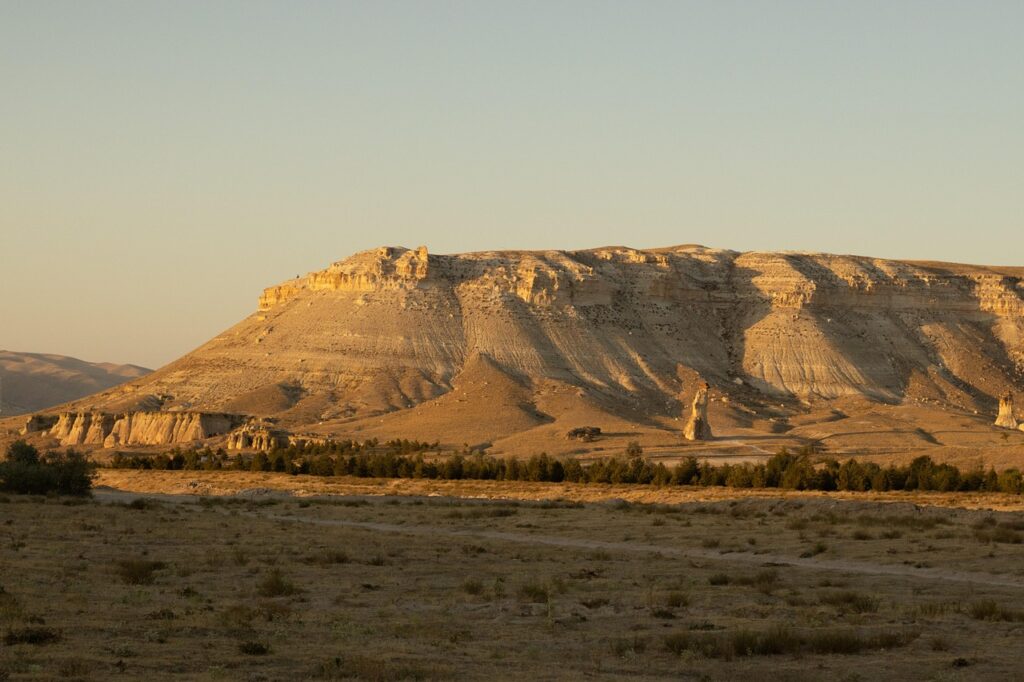
The landscape tells the region’s geological story. Millions of years of volcanic eruptions covered the plateau in ash that hardened into soft rock, and wind and water then carved it into the valleys, mesas, and fairy chimneys of Cappadocia. Lakes, both fresh and salt, gather in the lowest basins, and snow covers the highest peaks in winter.
The character of the plateau is self-reliant and ancient. Wheat, barley, and chickpeas grow in the reddish soil, and the towns carry a sense of permanence from five thousand years of continuous settlement. The climate is harsh, but the people are famously warm.
Getting There and Getting Around
Central Anatolia is easy to reach by air, road, and rail. Ankara, the capital, is a major hub with flights from all over Turkey and beyond, and it sits on the high-speed rail line that links Istanbul, Eskisehir, and Konya. Many travelers fly directly into the airports of Cappadocia, which is the region’s main tourist gateway.
Once inside the region, your transport choices shape the trip. A rental car gives you total freedom to chase landscapes, stop at village markets, and reach ruins the buses skip. The intercity bus network is excellent, with frequent services between Ankara, Konya, and Nevsehir, and the high-speed train between Ankara and Konya is one of the fastest and most pleasant rail journeys in the country.
Within Cappadocia, a car or scooter makes a real difference, since the best valleys lie outside the main towns. Minibuses work for a short visit, and in winter check road conditions before driving into the mountains.

Ankara: The Capital as a Gateway
Ankara is often treated as a transit point, which is a mistake. The modern capital has a fascinating character of its own, built in the twentieth century as the symbol of the new republic, but with roots that go back to the ancient world. Its citadel hill was fortified in ancient times and later ruled by Romans, Byzantines, and Ottomans.
The essential visit is Anitkabir, the vast mausoleum of the republic’s founder, with sweeping views over the city. The Museum of Anatolian Civilizations, housed in a restored Ottoman bazaar, is one of the finest archaeology museums anywhere, with collections from the Stone Age through the Hittites and Phrygians to the classical age.
Ankara’s old quarter climbs the hill beneath the citadel, full of restored Ottoman houses and tea gardens. The city also eats well, with strong regional cooking and the famous angora goat behind its name. Give the capital at least a day, and two if you love museums.
Cappadocia: The Region’s Crown Jewel
Cappadocia is the reason most travelers come to Central Anatolia, and it earns its fame. This is a landscape of soft volcanic rock carved into valleys of fairy chimneys, with cave churches painted by Byzantine monks, and entire cities cut underground. The Goreme Open-Air Museum is the essential stop, a monastic complex of rock-cut churches with frescoes that survived a thousand years.
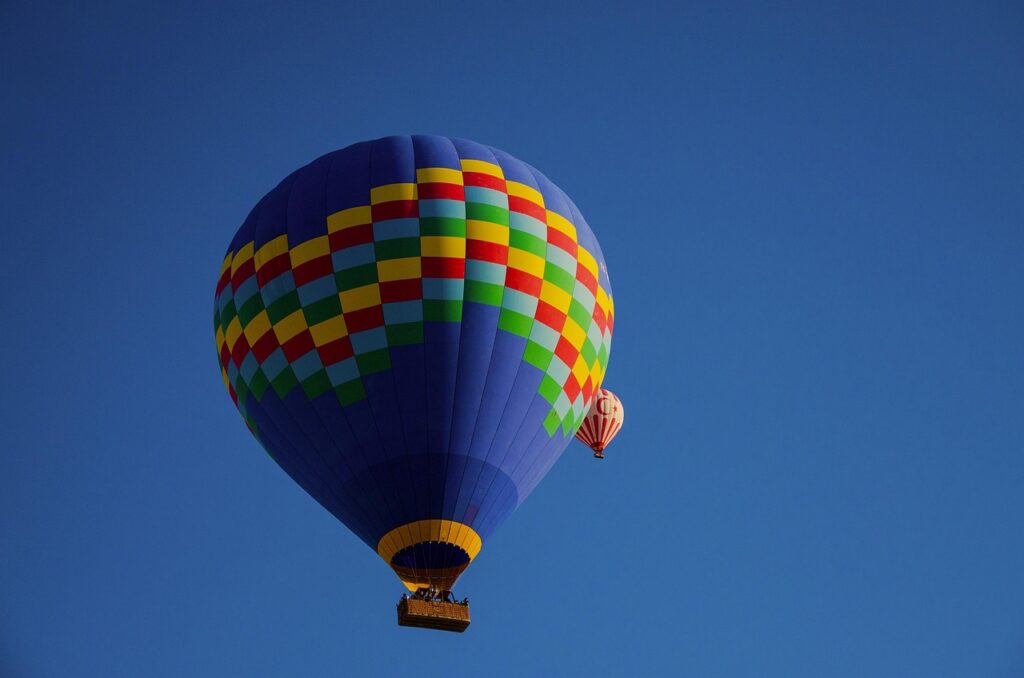
The experience of Cappadocia is about the whole landscape, not just the sights. The most famous moment is the sunrise balloon flight, when dozens of balloons drift over the valleys as the light turns the rock pink and gold. But the valleys themselves deserve days of walking: Rose Valley, the Pigeon Valley, and the hidden churches of the Goreme valley network.
Underground cities like Derinkuyu and Kaymakli, where thousands of people once sheltered, are a reminder that this soft rock was also a fortress. A full Cappadocia visit needs at least three days, and you will still leave wanting more. It is the region’s masterpiece.
Konya: The Heart of Sufi Tradition
Konya is the spiritual heart of the region and one of the most important religious cities in the Islamic world. In the thirteenth century it was the capital of the Seljuk sultans and the home of the poet and mystic Rumi, whose tomb lies beneath the famous turquoise dome of the Mevlana Museum.
Rumi’s legacy is the Whirling Dervishes, the Mevlevi order whose ceremonial dance is a meditation in motion. Visitors can attend performances in Konya, most memorably during the December ceremonies marking the anniversary of Rumi’s death, when the city fills with pilgrims.
Beyond the museum, Konya preserves a remarkable collection of Seljuk architecture: mosques with tile-covered domes, the Ince Minare museum, and caravanserais on the old trade routes. The city is conservative and devout, so dress modestly and respect local custom. It is also a wonderful place to eat, with a strong tradition of local dishes.
The Salt Lake and the Plains
Between the cities lies the steppe, and its most extraordinary feature is the Salt Lake, one of the largest salt lakes in the world. In spring the lake turns pink with algae and becomes a feeding ground for flamingos; in summer it shrinks into a blinding white crust that you can walk out onto.
The plains around the lake hold a different kind of history. This was Hittite country, and the ruins of Hattusa, the Hittite capital, with its massive stone walls, royal gateways, and the green stone that still sits in the temple ruins, are among the most atmospheric archaeological sites in Turkey. The nearby open-air sanctuary of Yazilikaya is carved with processions of gods.
The steppe rewards slow travel: stop at village markets, watch the shepherds, and photograph the huge skies. The Salt Lake is most magical at sunset, when the white crust reflects the color of the sky and you can have the whole horizon to yourself.
Ancient Cities and Hittite Heritage
Central Anatolia’s history goes deeper than the classical world. Before the Greeks and Romans, this plateau was the heartland of the Hittite empire, which rivaled Egypt in the Bronze Age. Its capital at Hattusa and the sanctuary of Yazilikaya are UNESCO-listed and remarkably preserved.
Phrygian kings followed the Hittites, and their legacy includes the great monument of the Mother Goddess carved into a cliff face near Eskisehir. Later, the region absorbed the Persians, Alexander’s successors, the Romans, and the Byzantines, each leaving towns, roads, and rock-cut monuments across the plateau.
For the traveler, this means the region is an open-air history book: sites are spread out, uncrowded, and often free to wander. A museum visit in Ankara first makes the stones speak.
Food and Local Specialties
Central Anatolian cooking is the food of the land: wheat, lamb, beans, and dairy, transformed by skilled hands over slow heat. The region is famous for its flatbreads, baked in stone ovens in every village, and for dishes that vary subtly from town to town.
Konya has its own celebrated kitchen, with pide baked to order, stuffed pastries, and the sweet pastries that the city’s bakers have perfected. Ankara’s old town is full of restaurants serving home-style cooking from all over the plateau. And no visit is complete without the local cheeses, honey, and the yogurt that Anatolian villages have made for millennia.
Eating in Central Anatolia is a social ritual. Meals are long, tea is constant, and hospitality is offered before you ask. Seek out the lokantas where workers eat, order what the tables around you are having, and save room for the region’s desserts.

Where to Stay
Accommodation in Central Anatolia ranges from cave hotels to city business hotels, and the choice shapes the experience. In Cappadocia, the famous cave hotels are carved into the soft rock, with stone walls, domed ceilings, and terraces that face the valleys. They are the region’s signature places to stay, and worth the splurge for the atmosphere.
In Ankara, choose a hotel near the old town or the main transport hubs, depending on your plans. Konya offers modern hotels within easy reach of the Mevlana district. In the countryside, simple village guesthouses and restored mansions give a genuine taste of plateau life.
Book Cappadocia well ahead, especially for spring, autumn, and the balloon season. The rest of the region is rarely short of rooms. For the most atmospheric stays, look for restored stone buildings, which connect you to the region’s architectural character.
Practical Tips and Money-Saving Advice
Central Anatolia is one of Turkey’s more affordable regions, and it rewards a few simple strategies. Travel by bus or train between the major cities, and save the car hire for Cappadocia and the countryside, where it pays for itself. Eat where the locals eat, and shop at markets for picnic supplies.
Book your Cappadocia balloon flight in advance; it is the region’s one major expense. Off-season travel brings lower prices, empty sites, and occasional snow, while spring and autumn offer the best balance.
Pack for extremes: the plateau is cold at night even in summer, and winter can be harsh. Layers, sun protection, and sturdy shoes cover most situations. With a bit of planning, Central Anatolia gives you one of the richest, least crowded travel experiences Turkey has to offer.
Frequently asked questions
How many days do I need for Central Anatolia?
Plan at least four to five days to see the essentials. Cappadocia needs three days to do it justice, including a balloon flight and valley walks. Add a day for Konya and the Mevlana Museum, and a day for Ankara. With a week, you can add the Salt Lake, Hattusa, and the smaller towns.
What is the best way to travel between the main attractions?
Combine the high-speed train between Ankara and Konya with the bus network to reach Nevsehir and the Cappadocia towns. For the countryside, a rental car is the most rewarding option, since the best ruins and landscapes lie off the bus routes. Winter travelers should check mountain road conditions.
Is Central Anatolia suitable for families?
Yes, especially Cappadocia, where children love the cave houses, underground cities, and balloon flights. Ankara’s museums are engaging, and the wide open spaces are safe to explore. Keep distances moderate, plan meals at regular hours, and let the slower pace of the plateau set your rhythm.

All Over Information
The All Over Information editorial team researches and writes practical English-language guides to Turkey. Facts are checked against official and local sources before publication, prices are published as dated ranges rather than quotes, and guides are revised when things change. We accept no sponsored posts, paid placements or paid links.
More guides like this

Best Cities and Towns in the Southeastern Anatolia Region
Southeastern Anatolia is a region of extraordinary cities, each with a character so strong that it feels like a different world from…

Exploring the Eastern Anatolia Region: A Complete Travel Guide
Eastern Anatolia is Turkey at its most immense: a high, cold, volcanic plateau where mountains rise above four thousand meters, where Lake…

Climate and Best Time to Visit the Mediterranean Region
The Mediterranean region of Turkey runs along the southern coast from Antalya toward the Syrian border, a strip of turquoise sea, citrus…
Exploring the Marmara Region: A Complete Travel Guide
The Marmara Region is Turkey's smallest but most dynamic region, wrapped around the Sea of Marmara at the meeting point of Europe…

Exploring the Black Sea Region: A Complete Travel Guide
The Black Sea region of Turkey is the country's greenest corner, a narrow coastal strip backed by steep mountains that catch the…
Exploring the Southeastern Anatolia Region: A Complete Travel Guide
Southeastern Anatolia is the cradle of the world in a very literal sense: this is the region of Gobekli Tepe, the oldest…