Alanya’s history runs deep beneath the resort surface, and the town’s story spans the ancient kingdoms, the medieval sultanate, and the modern holiday era. The castle on the hill, the Red Tower by the harbor, and the old shipyard tell the story of the centuries, and the culture of the region blends the Turkish and the Mediterranean traditions. This guide explores the history and the culture of Alanya.
The Ancient Roots
The history of Alanya begins in the ancient world, when the region was known as Cilicia. The ancient settlements occupied the hill and the coast, and the area traded with the ships of the Mediterranean; the name of the ancient town, Korakesion, appears in the records of the era, and the pirates of the region used the rocky coast as the stronghold; the town was the fortress and the port, and the ancient layers lie beneath the later town. The ancient roots of Alanya reach back over two thousand years.
The Hellenistic and the Roman Eras
The Hellenistic and the Roman eras brought the order and the prosperity to the region, and the town developed under the empires. The Romans took the coast and cleared the pirates, and the town became the port of the region; the trade of the Mediterranean passed through the harbor, and the town grew around it; and the ruins of the era — the fragments of the ancient walls and the buildings — survive beneath the modern town. The Roman era laid the foundations of the later town.
The Byzantine Era
The Byzantine era continued the story, and the town remained the fortress of the coast. The Byzantines maintained the walls and the defenses against the raiders of the sea; the town was the Christian one, and the churches served the population; and the harbor kept the trade moving through the era. The Byzantine layers of the town lie beneath the later castle, and the medieval centuries shaped the defensive character of the place.

The Seljuk Conquest
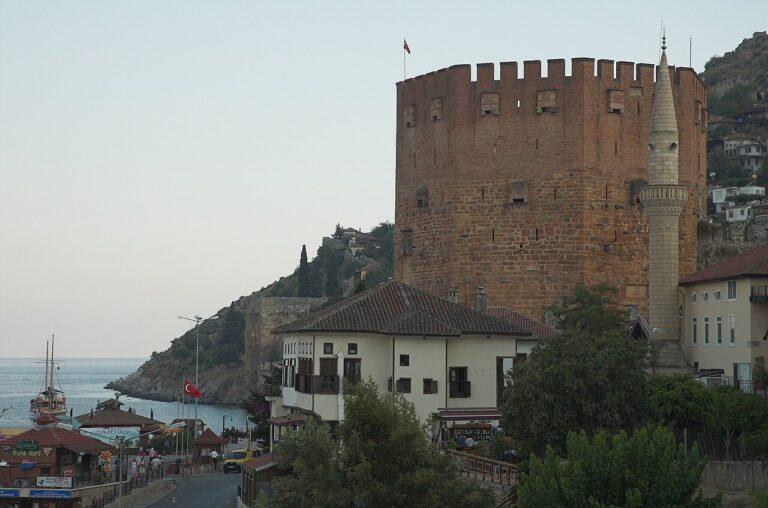
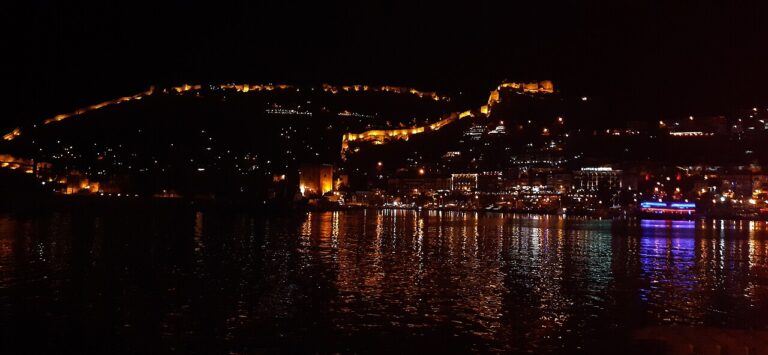
The turning point of Alanya’s history came in the thirteenth century, when the Seljuk Sultan Alaeddin Keykubad conquered the town. The sultan made the town the winter capital of his realm, and he built the great monuments that define Alanya to this day: the castle on the hill, the Red Tower by the harbor, and the shipyard, the Tersane; the sultan’s ambition made the town the stronghold and the naval base of the Seljuk state. The Seljuk era is the golden age of Alanya, and the monuments of the thirteenth century survive in the remarkable condition.
The Red Tower and the Shipyard
The Red Tower and the shipyard are the masterpieces of the Seljuk era, and they tell the story of the maritime power. The Red Tower, the octagonal tower of the red brick, was built to defend the harbor, and it survives as the finest example of the Seljuk military architecture; the shipyard, the Tersane, with its vaulted bays, was the great naval base where the ships of the sultan were built and repaired; and the two monuments together show the naval ambition of the Seljuk state. The maritime heritage of Alanya is the legacy of the sultan’s vision.
The Ottoman Era
The Ottoman era brought the long stability to the region, and Alanya continued as the port and the fortress of the coast. The Ottomans maintained the castle and the harbor, and the town served the trade and the defense of the region; the population of the era mixed the Turkish and the Greek communities, as was the pattern of the Anatolian coasts; and the town lived the quiet life of the provincial port through the centuries. The Ottoman era left the old town and the stone houses that survive to this day.

The Modern Era
The modern era transformed Alanya from the quiet port into the resort town, and the transformation is the remarkable one. The twentieth century brought the roads, the airport of the region, and the visitors; the tourism grew through the later decades, and the hotels, the resorts, and the beachfront developed along the coast; and the town became the major resort destination of the Turkish Mediterranean. The modern Alanya lives by the tourism, and the castle above watches the transformation.
The Culture of the Town
The culture of Alanya blends the Turkish and the Mediterranean traditions, and the daily life of the town shows the mix. The çay and the Turkish coffee mark the social life, and the tea houses and the cafés are the centers of the conversation; the food of the town is the Mediterranean-Turkish one, with the meze, the fish, and the breakfasts of the region; and the hospitality is the warm one. The culture of the town is the lively one, and the resort energy of the modern era sits alongside the traditions.
The Festivals and the Traditions
The festivals and the traditions of the region give the color to the year. The local festivals celebrate the harvests and the seasons, with the music and the feasting; the religious holidays of the Turkish calendar mark the year with the family gatherings; and the town’s events and the concerts fill the summer calendar. The visitor who arrives during the festivals sees the culture in the celebration, and the events of the region are the welcoming ones.

The Heritage of the Region
The heritage of the region extends beyond the town, and the history surrounds Alanya. The ancient cities of Side, Perge, and Aspendos lie within the day-trip reach; the castles and the ruins of the coast and the mountains tell the stories of the region; and the Dim Cave and the natural wonders add the different layer. The heritage of the region is the deep one, and the visitor to Alanya steps into the landscape of the centuries.
The Architecture of the Modern TownnnThe architecture of the modern Alanya reflects the history of the town, and the building styles layer through the centuries. The stone houses of the Ottoman era, with their courtyards and their wooden details, survive in the old town; the modern buildings of the resort era rise along the beachfront, with the hotels and the restaurants; and the castle and the Red Tower stand above both, the constants of the town’s skyline. The architecture of the town tells the story of the place, and the layers of the building styles give the texture. The visitor who looks at the buildings sees the history of Alanya written in the stone.n
The Daily Life of the Modern TownnnThe daily life of the modern Alanya runs along the beachfront and through the town, and the rhythms follow the seasons. The morning brings the coffee to the cafés, the deliveries to the shops, and the first swimmers to the sea; the midday brings the heat, the shade, and the siesta; and the evening brings the crowds, the dinners, and the lights to the promenade. The modern town lives its life with the castle as the backdrop, and the mix of the old and the new is the character of the place. The visitor who watches the daily life sees the town as it is, and the history and the holiday coexist in the everyday.n

The Legends and the Stories of the TownnnThe legends and the stories of Alanya add the color to the history, and the town tells its tales. The name of the Cleopatra Beach carries the legend of the queen’s visit, and the romance of the story clings to the sand; the tales of the Seljuk sultans and the pirates fill the castle walls; and the local sayings and the stories of the town pass through the generations. The legends of Alanya enrich the visit, and the stories bring the stones to life. The visitor who listens for the tales finds the deeper Alanya, and the legends join the history in the telling.n
The Takeaway
The history and the culture of Alanya run from the ancient roots through the Seljuk golden age to the modern resort era, and the castle, the Red Tower, and the shipyard tell the story of the centuries. The culture of the town blends the Turkish traditions with the holiday energy, and the hospitality remains the constant. The visitor who looks beyond the beaches finds the layers of the history, and the town tells the long, the rich story.
Frequently asked questions
What is the history of Alanya?
Alanya’s history spans the ancient kingdoms, the Seljuk sultanate of the thirteenth century, the Ottoman era, and the modern resort era.
What is the Red Tower?
The octagonal tower of the red brick, built by the Seljuk Sultan Alaeddin Keykubad to defend the harbor.
Who built the Alanya Castle?
The Seljuk Sultan Alaeddin Keykubad, who made Alanya his winter capital in the thirteenth century.
What is the Tersane?
The old Seljuk shipyard by the harbor, where the ships of the sultan were built and repaired.
What is the culture of Alanya like?
The lively Mediterranean-Turkish culture, with the hospitality, the tea culture, and the resort energy of the coast.

All Over Information
The All Over Information editorial team researches and writes practical English-language guides to Turkey. Facts are checked against official and local sources before publication, prices are published as dated ranges rather than quotes, and guides are revised when things change. We accept no sponsored posts, paid placements or paid links.
More guides like this

The Best Day Trips from Alanya
Alanya sits at the center of the rich region of the Turkish Mediterranean, and the day trips from the town reach the…

A First-Timer’s Guide to Alanya
Alanya is the lively resort town of the Turkish Mediterranean, and it welcomes the first-time visitor with its dramatic castle hill, its…

Alanya on a Budget: Money-Saving Travel Tips
Alanya gives the beach holiday and the castle sightseeing at the moderate prices, and the budget traveler finds the resort town the…

Best Local Restaurants in Alanya
The dining scene of Alanya mixes the fresh seafood of the harbor, the traditional Turkish kitchens, and the lively beachfront restaurants, and…
A Solo Traveler’s Guide to Alanya
Alanya is the lively, the safe, the well-connected town that suits the solo traveler beautifully, and the resort town rewards the traveler…
How to Get to Alanya from Istanbul
The journey from Istanbul to Alanya crosses the country from the Marmara Sea to the Mediterranean coast, and the routes divide between…