Amasra looks like a postcard — a castle on a rocky island, a town wrapped around two peninsulas, a harbor full of fishing boats — but beneath the picture postcard beauty lies one of the most layered histories on the Turkish coast. The town has been a harbor, a fortress, and a naval station for more than two thousand years: founded in antiquity, known to the Greeks and the Romans, fortified by the Byzantines, ruled by the Genoese, and folded into the Ottoman world, with every era leaving its mark in the walls, the stones, and the town’s own character. The culture of the town today — the fishing, the Black Sea food, the small-town life — is the living continuation of that long history. This guide unpacks the history and culture of Amasra: who built it, what they left, and how the layers still visible in the town tell the story.
The Setting: A Harbor at the End of the Ancient World
The geography explains Amasra’s history. The town sits on a narrow peninsula jutting into the Black Sea, with a deep and sheltered harbor formed by two larger islands and the rocky headlands — the ancient world called it the finest harbor on this coast. The position gave the town everything a maritime power needed: a safe anchorage, a defensible site, and a place on the sea routes that linked the Aegean, the Black Sea, and the wider Mediterranean world.
The name itself carries the history. In antiquity the town was known as Sesamus, and then as Amastris, after the Persian princess who refounded it in the 4th century BC. The modern name, Amasra, is the direct descendant of that ancient name — the town has kept its identity across two and a half thousand years.
The Ancient City: Greeks, Persians, and the Harbor’s First Age
Amasra’s recorded history begins in antiquity. The settlement grew as a harbor town of the region, and in the 4th century BC it was refounded and named Amastris — a city of the Persian-influenced world of northern Anatolia, at the point where the Greek and the Persian worlds met. The ancient town became a notable city of the Pontic coast, with its own coinage and its place in the region’s politics.
The ancient city has mostly vanished beneath the modern town, but its traces survive: the ancient walls that still run in places, the foundations beneath the streets, and the museum’s collection of the coins and inscriptions that the town has yielded. The ancient harbor, the reason for the town’s existence, is the same harbor the fishing boats use today.

The Byzantine Fortress: The Island and the Walls
The town’s most visible ancient inheritance is the work of the Byzantine era. The rocky island that gives Amasra its iconic silhouette was fortified, and the walls that still crown it — along with the fortifications that ran across the peninsula — date largely from the Byzantine period. Amasra was a naval station of the Byzantine Empire, a link in the chain of coastal defenses that protected the Black Sea approaches to Constantinople.
The Byzantine walls are the town’s great monument: the castle on its island, joined to the mainland by a causeway, with the sea on both sides and the harbor protected below. Walking the castle today is walking the defensive core of a town that guarded this coast for centuries — and the walls, the towers, and the gateways still carry the fabric of that long watch.
The Genoese Centuries: Merchants and Mariners
In the 13th century, the Byzantine world’s power ebbed, and the Black Sea trade fell increasingly into the hands of the Italian maritime republics. Amasra became a possession of the Genoese, who made it one of their trading stations on the Black Sea — a fortified commercial outpost at the end of their great trading network that stretched from the Mediterranean to the Crimea.
The Genoese left their mark on the town: the castle was strengthened and modified, the fortifications were extended, and the town became a node of the Genoese commercial empire, trading the goods of the Black Sea — the fish, the grain, the timber, and the slaves of the medieval trade — to the wider Mediterranean. The Genoese era was Amasra’s cosmopolitan age, a time when the town looked out to the sea and the world beyond it.
The Ottoman Town: Fishing, Trade, and the Long Peace
In the mid-15th century, the expanding Ottoman Empire took Amasra from the Genoese, and the town entered its Ottoman chapter — a long period in which it became a quiet, prosperous provincial port rather than a fortress of the great powers. The walls were maintained, the harbor continued, and the town settled into the rhythms that still shape it: the fishing, the coastal trade, and the small-town life of the Black Sea.
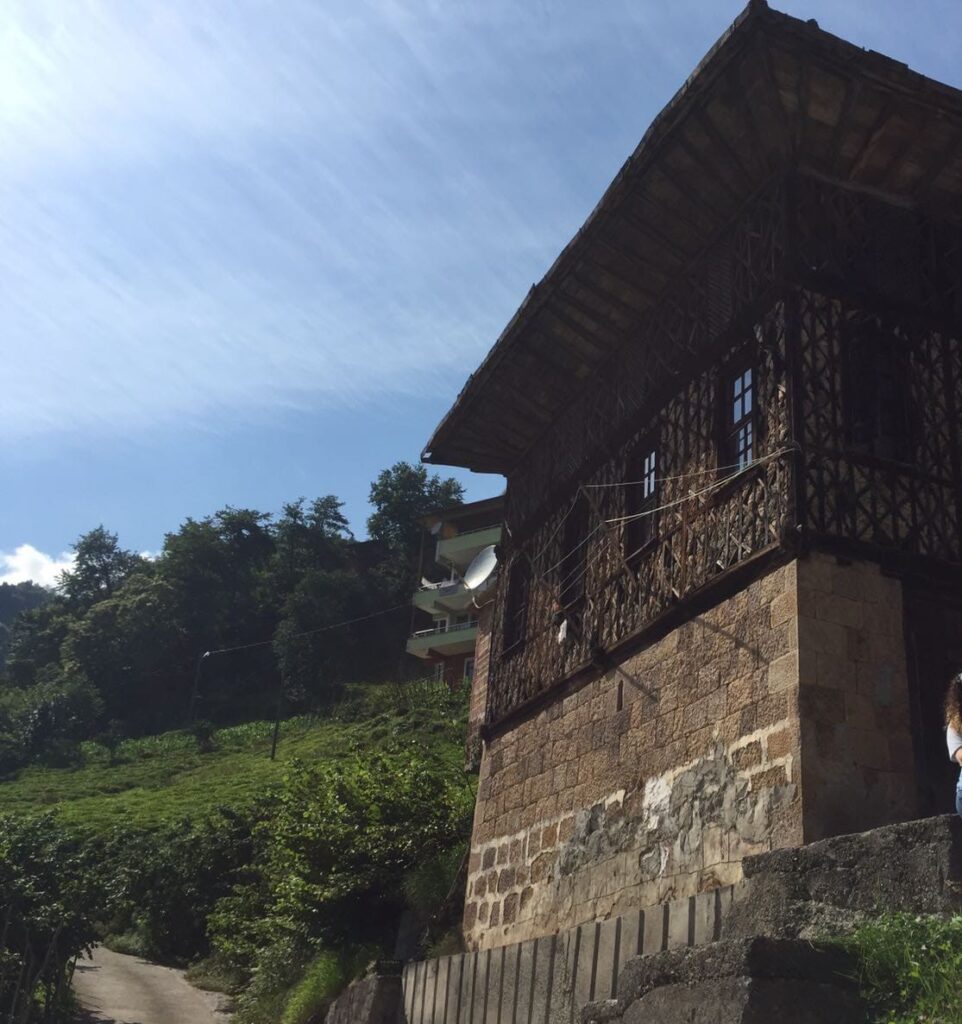
The Ottoman centuries gave Amasra its domestic character: the old houses of the town, the mosque, the market, and the community life that continues today. The town’s strategic importance faded as the empire’s center of gravity moved, but its identity as a harbor town endured — and the Ottoman-era town beneath the modern surface is the layer that most shaped the Amasra people know.
The Modern Town: Fishing, Tourism, and Continuity
The modern chapter of Amasra is the story of continuity. The town’s economy has always been the sea, and it still is: the fishing boats that work the Black Sea, the hamsi season that brings the town’s great culinary celebration, and the harbor that remains the center of the town’s life. The 20th century added tourism — Amasra’s beauty drew visitors, and the town grew into the domestic holiday destination it is today — but the tourism grew around the fishing and the town’s real life rather than replacing it.
The culture of the town today is the culture of that continuity: the fishing and the fish restaurants, the Black Sea food and the muhlama and the hamsi, the small-town social life of the tea gardens and the promenade, and the easy relationship between a working harbor and the holiday that shares its water. The museum holds the town’s ancient past, the castle walks through it, and the harbor lives it.
The Culture of Amasra Today
The living culture of the town is a fusion of all the layers:
- The fishing life. The boats, the catch, the hamsi season, and the fish restaurants are the working culture of the town — the continuation of the harbor’s two-thousand-year purpose.
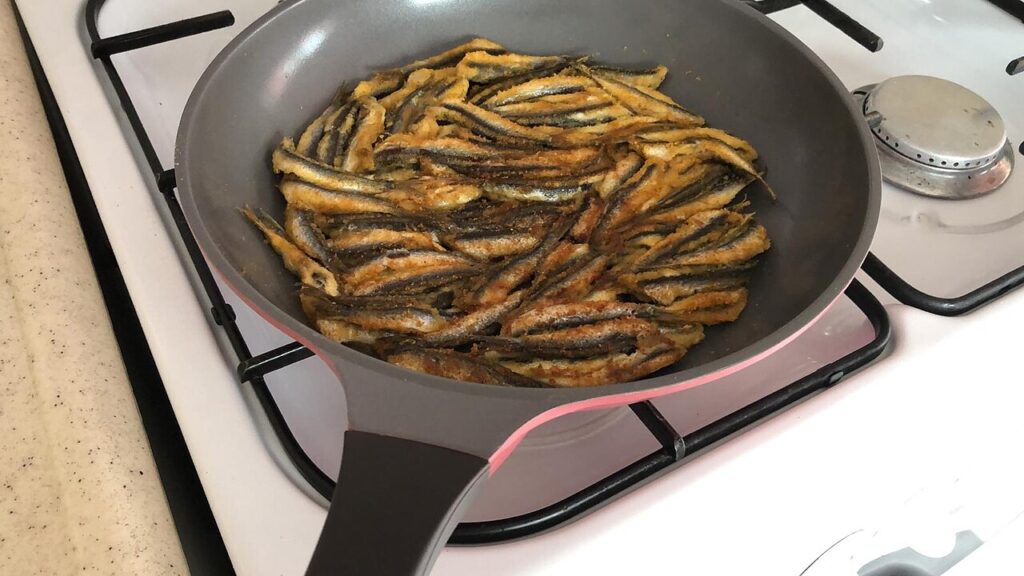
- The Black Sea table. The region’s food — the hamsi, the muhlama, the corn breads, the hazelnuts — is the town’s distinctive culture, shared at the seafront tables and the family kitchens.
- The small-town life. The tea gardens, the promenade, the market, and the community life of a town that still runs on its own rhythms.
- The pride in the place. The castle, the views, and the beauty are not decoration but identity — the town knows what it is, and the hospitality of the place reflects it.
- The layers beneath. The walls, the museum, and the old houses keep the long history present, and the town’s sense of itself is built on them.
Visiting the History: What to Look For
A walk through Amasra is a walk through the layers:
- The castle on the island — the Byzantine fortress, strengthened by the Genoese, with the sea on both sides.
- The ancient walls — the fragments of the town’s defenses, running through the modern streets.
- The old houses and the lanes — the Ottoman town’s domestic face, above the harbor.
- The harbor — the ancient anchorage, still the working heart of the town.
- The museum — the coins, the inscriptions, and the objects of the town’s long life.
- The living town — the fishing, the market, and the daily life that continues the history.

The Takeaway
Amasra’s history is a story of the sea: an ancient harbor, a Byzantine fortress, a Genoese trading post, an Ottoman port, and a working fishing town — all built on the same sheltered anchorage, and all still visible in the same small peninsula. The castle on its island is the Byzantine watch made stone; the old houses are the Ottoman town’s domestic face; and the harbor, the boats, and the hamsi season are the living continuation of the town’s two-thousand-year purpose. To walk Amasra is to walk through all of it at once — and to understand why this harbor has drawn people, and kept them, for so long.
Frequently asked questions
How old is Amasra?
The town’s history reaches back more than two thousand years — it was refounded as Amastris in the 4th century BC, and the site was inhabited before that.
Who built the castle at Amasra?
The fortress on the island was built and strengthened over the centuries — largely Byzantine, with later Genoese modifications — and stands on a site fortified since antiquity.
What is the origin of the name Amasra?
It descends from the ancient name Amastris, given to the refounded city in the 4th century BC — the town has kept its identity for two and a half millennia.
Was Amasra part of the Genoese trading network?
Yes — in the 13th to 15th centuries, the Genoese ruled the town and made it one of their trading stations on the Black Sea.
What is Amasra’s culture today?
A working fishing town with a distinctive Black Sea culture — the hamsi and the regional food, the small-town social life, and the pride in its two-thousand-year harbor and castle.
Is the castle free to visit?
The castle area is open to walk, with the views and the walls as the reward; check current arrangements for any fees.

All Over Information
The All Over Information editorial team researches and writes practical English-language guides to Turkey. Facts are checked against official and local sources before publication, prices are published as dated ranges rather than quotes, and guides are revised when things change. We accept no sponsored posts, paid placements or paid links.
More guides like this
Hidden Gems of Amasra Most Tourists Miss
Amasra is a small town, and its famous things — the castle, the harbor, the postcard views — draw the crowds that…
A Foodie’s Guide to Amasra
Amasra is one of the most distinctive food towns in Turkey, and the reason is simple: it is a fishing port on…

Family-Friendly Activities in Amasra
Amasra is one of the most family-friendly towns on the Turkish coast, and it is family-friendly in exactly the way that matters:…
48 Hours in Amasra: The Perfect Itinerary
Two days in Amasra is enough to see everything the town holds and still have time for the slow pleasures — the…
Where to Stay in Amasra: Neighborhood Guide
Amasra is a small town, and the choice of where to stay is really a choice about the view and the atmosphere…

Nightlife Guide to Amasra
Let's be clear about what nightlife means in Amasra, because the town has nothing to do with neon, DJs, and queues —…