Uskudar is the district where Istanbul’s food traditions are at their most intact — the working Asian shore where the teahouse, the lokanta, the breakfast spread, and the fish dinner are still the daily rhythms of the neighborhood, priced for the people who live there and cooked the way they have been cooked for generations. For a foodie, Uskudar is the place to eat the traditional city — not the stage-set version of the tourist quarters, but the food of the city’s own kitchens. This guide is the field manual.
The Teahouse: The Foundation Course
Start with the teahouse, because in Uskudar the tea is the frame around everything. The tea gardens of the waterfront and the hills serve the black tea of the Black Sea coast, brewed strong in the double-decker pots — the small top pot of the strong brew, the larger bottom pot of the water — and poured into the tulip glasses that are the emblem of Turkish hospitality. The foodie’s education begins here: the tea itself, the simit that accompanies it, the sugar cubes, the hour of the district’s life that comes with the glass. The teahouse is where the food day begins and ends, and the visitor who masters the tulip glass has mastered the district.
Breakfast: The Spread
The serpme kahvaltı — the spread breakfast — is the meal the district takes most seriously. The table fills with the small plates: the cheeses (the beyaz peynir, the aged kaşar), the olives, the menemen (eggs scrambled with tomatoes and green peppers, the morning classic), the honey and kaymak (clotted cream, the most luxurious bite in Turkish cooking), the sucuklu yumurta (eggs fried with spicy sausage), the cucumber and the tomato, the bread, and the endless tea. The breakfast houses of Uskudar serve it to a room of local families who treat the meal as the proper start of the day. Go early, order the full spread between two, and give the breakfast the hour it deserves.
The Lokanta: The Daily Truth
At midday, the steel trays of the lokantas hold the daily truth of the district’s cooking. The lokanta is the working-class restaurant of the city — the counter of trays holding the day’s dishes, the staff who serve whatever you point at, the room full of the district’s workers and families. The trays hold the home cooking of Turkey: the kuru fasulye (the white beans in their tomato broth, the national comfort dish), the seasonal vegetable stews, the börek, the pilav, the daily meat. The lokantas cluster around the market streets behind the piers, and the lunchtime queues are the honest review system. Point at what looks like it was made that morning, add the salad and the bread and the ayran, and the meal is the cheapest proper lunch in the district.
The Fish Dinner: The Waterfront Ritual
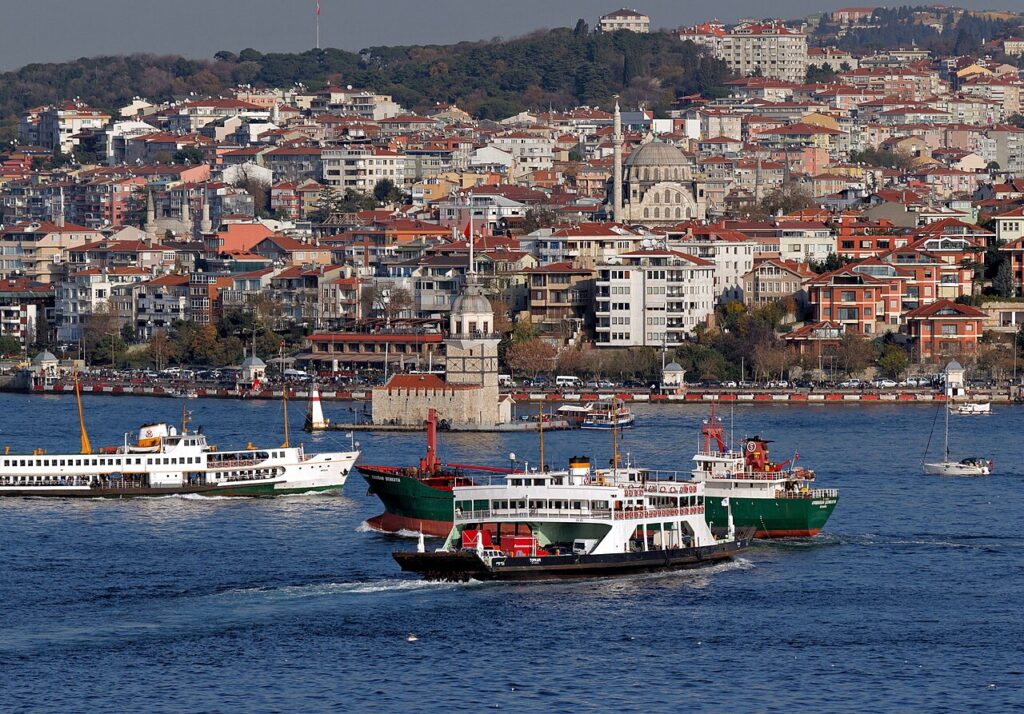
The evening belongs to the waterfront, where the fish restaurants of the shore serve the catch of the Bosphorus and the Marmara. The ritual is the classic one: the meze table to start — the eggplant salads (the smoky patlıcan salatası), the octopus, the white beans in oil, the grilled halloumi — eaten slowly with rakı or wine; the grilled fish of the day; and the evening running long on conversation and the view of the tower in the light. The fish is the seasonal story: the bluefish (lüfer) in the autumn, the anchovies (hamsi) in the winter, the bonito (palamut) through the year. The rule is the district’s rule: follow the queues, order the day’s catch, and the table will be the one the residents keep for themselves.

The Street Food: The Snack Layer
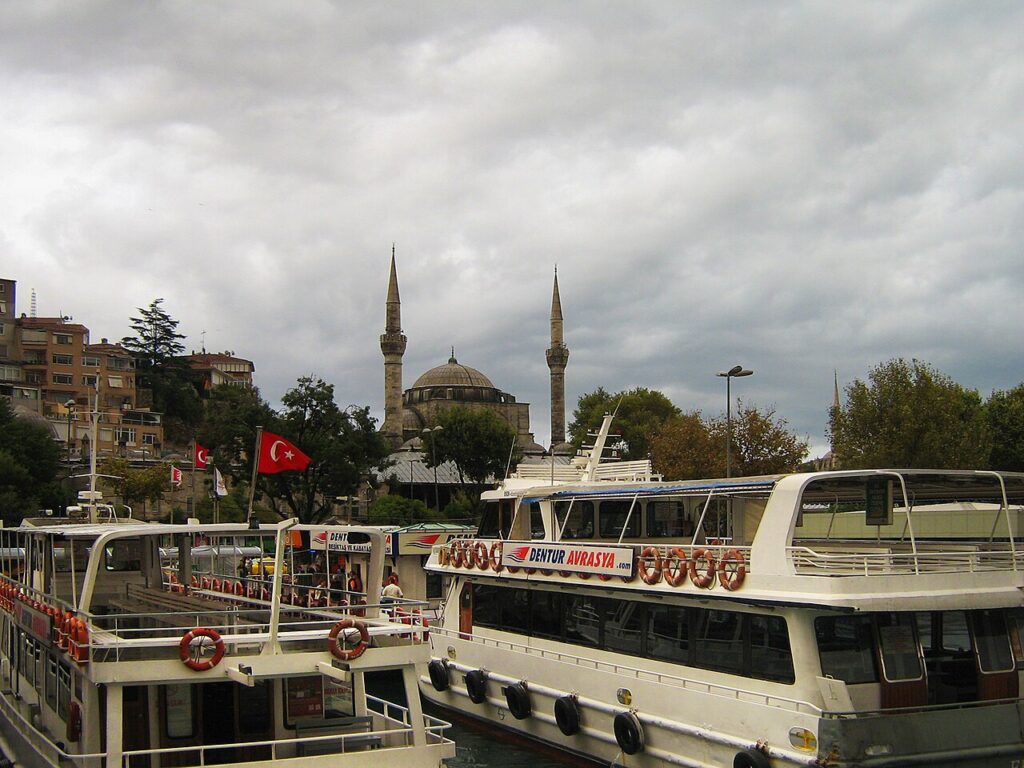
The piers and the streets hold the district’s street layer, and it is some of the best value in the city. The balık ekmek — the fish sandwich assembled fresh at the counter, eaten on the seawall with lemon and a cold drink; the midye dolma — the stuffed mussels sold by the tray, the street food of the commuter piers; the simit rings; the chestnuts in the winter; the ice cream in the summer. The street food of Uskudar is priced for the daily crossings, which makes it the honest version of the city’s snack culture, and the pier-side tables — the sandwich, the tower in the water, the ferries passing — are the classic Uskudar lunch.
The Sweets: Baklava, Pudding, and the Fırın
The district’s sweet layer is the foodie’s quiet delight. The baklava houses make the pistachio and walnut layers on the premises, best with the tea. The pudding shops — the muhallebici — are the Uskudar institution: the milk puddings, the rice pudding (sütlaç), and the tavuk göğsü (the chicken-breast pudding, a Turkish classic that surprises every visitor) served in the traditional rooms. The fırın, the bakeries that run from early morning, produce the daily breads — the simit, the pide, the börek — and the pastry shops hold the Turkish cakes and the helva. The sweets of Uskudar are the traditional ones, made the traditional way, and the foodie who works through them has completed the district’s culinary map.

The Seasonal Calendar
The district’s food runs on the calendar, and eating the season is the foodie’s obligation. The autumn is the season of the lüfer — the bluefish, the prince of the strait. The winter is the season of the hamsi — the anchovies, piled silver in the market, fried whole and eaten with bread and raw onion. The summer is the season of the cold meze and the street food — the balık ekmek, the ice cream, the long teahouse evenings. And the year-round staples — the lokanta trays, the breakfast spreads, the puddings — anchor the table in every season. The foodie who eats the calendar has understood the district.
The Budget-Foodie Balance
Uskudar gives the foodie the rare gift of eating brilliantly on a working budget. The lokanta lunch is among the best-value meals in the city; the teahouse is a few lira for the district’s best hour; the street food covers the snacks for pocket change; and the breakfast spread and the fish dinner, split between friends, are the splurges worth having. The rule is the district’s rule: the food is local, the prices are local, and the best tables are the busiest, not the most expensive. The foodie who follows the queues eats like a resident in Uskudar for the price of a snack in the tourist quarters.
A Foodie’s Uskudar Day
Morning: the breakfast spread at a district house — the cheeses, the menemen, the honey and kaymak. Mid-morning: the teahouse, the tulip glass, the simit. Lunch: the lokanta trays by the market — the beans, the stews, the börek. Mid-afternoon: the pudding shop — the sütlaç, the tavuk göğsü — and the baklava with the tea. Early evening: the fish restaurants of the waterfront — the meze, the catch of the day, the tower in the light. Late: the pier-side balık ekmek, the last ferry, the tea to close. It is a day with a shape, and the district’s food fills it in with pleasure.
Frequently asked questions
Do I need to book the fish restaurants?
The famous ones fill on the evenings and the weekends — booking or arriving early is wise. The lokantas, the teahouses, and the street food are walk-in.
What should a first-time foodie order?
The breakfast spread for the classic, the lokanta trays for the daily truth, and the waterfront fish dinner for the ritual.
Is the food in Uskudar expensive?
No — it is the food of a working district, priced for its residents, and some of the best-value eating in Istanbul.
Can a vegetarian do the foodie tour?
Easily — the breakfast spread is a vegetarian feast, the meze table is mostly vegetables, and the lokantas always have the bean and the vegetable dishes.
What is the one thing not to miss?
The teahouse hour — the tulip glass, the view, and the district’s life — the foundation of everything the district eats.
What is the chicken-breast pudding?
Tavuk göğsü is the Turkish classic — a milk pudding thickened with shredded chicken breast, sweet and surprisingly delicate, a staple of the district’s muhallebici pudding shops.
Do I need to book the breakfast houses?
The famous ones queue on the weekend mornings — go early or on a weekday. The lokantas and the teahouses are walk-in.
Is the street food safe to eat?
Yes — the balık ekmek and the midye are served fresh at the piers all day, and the queues at the best stands are the honest review system.
What should I drink with the meals?
Tea with everything, ayran with the lokanta lunch, and rakı or a Turkish white wine with the fish dinner — the three traditional companions of the district’s table.

All Over Information
The All Over Information editorial team researches and writes practical English-language guides to Turkey. Facts are checked against official and local sources before publication, prices are published as dated ranges rather than quotes, and guides are revised when things change. We accept no sponsored posts, paid placements or paid links.
More guides like this

Where to Stay in Uskudar: Neighborhood Guide
Uskudar is the base that most travelers never consider — and the one that rewards those who do.

A First-Timer’s Guide to Uskudar
Uskudar is the Istanbul district that most travelers see and never visit — the minarets and the teahouses on the Asian shore,…
Nightlife Guide to Uskudar
Uskudar's nightlife is the traditional version of the Istanbul evening — and that is exactly its appeal.

Uskudar in Winter: What to Expect
Uskudar in winter is the district's true character revealed.

Uskudar Airport and Transport Guide
Uskudar is one of the best-connected districts in Istanbul — the Asian gateway of the city, where the ferries, the Marmaray rail…

Shopping Guide: What to Buy in Uskudar
Shopping in Uskudar is the local version of the Istanbul shopping experience — and the better one for the traveler who wants…