Being welcomed into a Turkish home is one of the most memorable experiences a traveler can have. Turkish hospitality is legendary, and the customs around visiting are designed to make guests feel honored, comfortable, and part of the family. But being a good guest also involves knowing the expectations: the greetings, the gifts, the tea, and the graceful goodbye. This guide helps you navigate a home visit in Turkey with confidence, so you can enjoy the warmth without stumbling over the details.
The Meaning of Turkish Hospitality
Turkish hospitality is rooted in the idea that guests are a gift. The tradition holds that a guest brings blessing to the home, and the host’s duty is to offer the very best. This is not a polite fiction; it shapes every aspect of a visit, from the tea that appears within minutes to the insistence that you eat more.
Hospitality is offered to friends, acquaintances, and strangers alike. Shopkeepers offer tea, locals invite travelers to dinner, and neighbors share food without ceremony. The generosity can be overwhelming, but it is genuine, and receiving it graciously is the essential skill.
For the guest, the golden rule is reciprocity of spirit. You cannot match the host’s abundance, but you can honor it with gratitude, warmth, and a willingness to receive. A guest who eats, thanks, and smiles is a guest who understands the culture.
The Invitation and What to Bring
Turkish invitations are warm and often insistent. When you are invited to a home, accept with pleasure, since the invitation is a sincere expression of friendship. If you must decline, do so with thanks and regret, and the invitation will likely be repeated.
Bringing a gift is an important gesture. Sweets, pastries, fruit, flowers, or a small souvenir from your country are all appropriate. The gift does not need to be expensive; it is the thought that matters, and the host will be touched.
There is a small ritual around the gift. The host may protest that you should not have brought anything, but the gift is accepted and appreciated. Do not feel awkward; this exchange is part of the warmth of the visit.
Greetings and Entering the Home
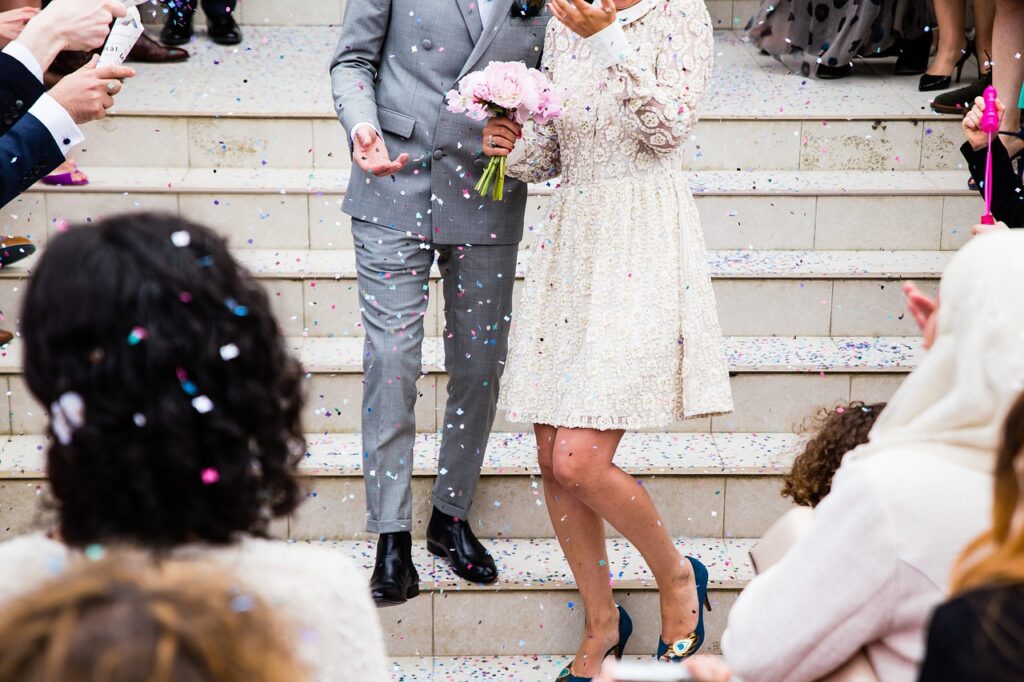
Greeting correctly sets the tone. Greet everyone present, beginning with the elders, using a handshake, a nod, or a warm word. In some families, cheek kisses are exchanged between close friends, but a handshake is always safe for visitors.
The shoe rule is nearly universal in Turkish homes: shoes are removed at the door, where you will find slippers or be offered some. This custom keeps the home clean and is not a test of your modesty; it is simply the norm. Accept the slippers with thanks.
Once inside, you will be led to the best seat, usually the sofa or the place of honor. Sit where you are shown, and wait for the host to begin the conversation. The home is the host’s kingdom, and their guidance is the map.
Tea and Refreshments
Tea will appear quickly, often within minutes of your arrival, along with something to eat, from biscuits to pastries or fruit. This first offering is the heart of the visit, and accepting it is essential. The tea is served hot, in a small glass, and refilled as the conversation continues.
Do not refuse the first cup of tea without a good reason. If you truly cannot drink it, say so gently, but know that the offer will be repeated. The rhythm of the visit is built on tea, and every refill is a new invitation to stay.
The snacks that accompany the tea are also part of the hospitality. Take a little, compliment them, and let the host enjoy your pleasure. The food and drink are not just refreshment; they are the language of welcome.

The Meal
If the visit includes a meal, it will be abundant and served with pride. The table may be set with more dishes than anyone could finish, and the host will serve you first, placing the best portions on your plate. Accept this with thanks and eat with visible enjoyment.
Pace yourself, because there is always more. The host will offer seconds, and accepting a little more pleases them greatly. Refusing everything can make the host worry that you did not like the food, so a warm, honest appreciation matters.
When the meal ends, compliment the cooking. A phrase like “ellerinize sağlık,” health to your hands, is the highest praise for the cook. The compliment is remembered long after the dishes are cleared.
The Conversation
Turkish visits are built on conversation, and you will be asked about your journey, your country, your family, and your impressions of Turkey. Answer warmly and honestly; your host is genuinely interested. The questions are not intrusive but a way of drawing you into connection.
It is also a pleasure to ask questions of your own. Turks love talking about their food, their cities, and their traditions, and your curiosity is a compliment. The conversation flows naturally, and silence is never uncomfortable for long.
If the conversation touches on sensitive topics, follow the host’s lead and keep the mood light. The visit is about friendship, not debate. A warm, curious guest who listens as much as they speak is always welcome.

Offering Help
Offering to help is a delicate matter. In most Turkish homes, guests are not expected to help, and the host will insist they do everything themselves. Offering once is courteous, but do not insist; the host’s service is part of the hospitality.
The exception is clearing the table after a meal. A gentle offer to carry a few plates is often received with warmth, even if it is declined. The gesture matters more than the help itself.
In informal settings, you may read the situation. If the host is relaxed and the gathering is casual, helping can be natural. If the host insists you sit, sit, and let yourself be served. The refusal is part of the ritual.
The Departure
Knowing when to leave is part of being a good guest. Turkish visits can be long, and leaving too early can feel abrupt, but staying past the natural end can also be tiring. Watch for the signals: the host’s pace, the winding down of conversation, and the end of the tea refills.
When you decide to leave, say so warmly and thank the host for everything. The host will protest that you should stay longer, and you should acknowledge the invitation with pleasure, even as you prepare to go. This exchange is part of the courtesy.
At the door, the host may offer you something to take home, from sweets to fruit. Accepting a small token completes the circle of generosity. The farewell is warm, with wishes for your journey and an invitation to return.

Visiting During Holidays and Special Days
If your visit coincides with a Turkish holiday, you will see hospitality at its most intense. During Bayram, the religious festivals, families open their homes to visitors, offering sweets, pastries, and the traditional bayram gift of chocolate or lokum to children. Accepting these offerings with pleasure is the essence of the visit.
The customs around holidays are joyful. Greeting elders first, wishing them a happy bayram, and shaking hands or exchanging cheek kisses are all part of the ritual. You will be offered tea, sweets, and endless conversation, and your presence is considered a blessing for the household.
If you are invited during such a celebration, count yourself fortunate. The warmth of a Turkish holiday table is unmatched, and your hosts will be delighted to share their traditions with you. Accept everything offered, compliment the food, and take part in the joy of the day.
The Art of Receiving Graciously
Much of being a good guest comes down to receiving well. Turkish hosts give with their whole hearts, and a guest who receives with visible joy completes the exchange. Eat, drink, thank, and smile, and you will be remembered with affection.
Receiving graciously also means accepting help when it is offered. Let the host guide you through the customs, from slippers to seating, and follow their lead. Your willingness to be cared for is itself a form of respect.
Finally, do not over-apologize for your imperfect Turkish or your unfamiliarity with customs. Your hosts are not testing you; they are welcoming you. Enthusiasm and gratitude cover every small mistake, and the visit will be remembered for your warmth, not your slip-ups.
After the Visit
The courtesy of a Turkish visit extends beyond the door. A thank-you note or message after the visit is deeply appreciated and often remembered. It is a small gesture that closes the circle of hospitality.
If you took photos or shared a meal, mention how much the visit meant to you. The host’s pride in their home and table is genuine, and your words honor it. In Turkish culture, the relationship is the point, and the visit is the beginning.
Finally, if the opportunity comes, return the hospitality in whatever way you can, even from a distance. Sending a greeting on holidays or remembering the family’s names shows that the visit mattered. That is the true reward of being a good guest.
Frequently asked questions
Do I need to take off my shoes in a Turkish home?
Yes, in nearly all Turkish homes shoes are removed at the door. You will usually find slippers provided or be offered some. This custom is simply the norm, so accept the slippers with thanks and enjoy the comfort.
What should I bring when invited to a Turkish home?
A small gift is expected, such as pastries, sweets, fruit, flowers, or a souvenir from your country. It does not need to be expensive. The host may protest politely, but the gift is genuinely appreciated.
How long should a visit to a Turkish home last?
Visits are leisurely and can last several hours, especially when a meal is served. Watch for the natural end of the conversation and the tea refills to judge the moment. Leaving with warm thanks and a graceful goodbye is always correct.

All Over Information
The All Over Information editorial team researches and writes practical English-language guides to Turkey. Facts are checked against official and local sources before publication, prices are published as dated ranges rather than quotes, and guides are revised when things change. We accept no sponsored posts, paid placements or paid links.
More guides like this
Turkish Superstitions Explained for Foreigners
When you travel through Turkey, you will notice blue glass beads hanging everywhere, strange phrases spoken after compliments, and rituals that seem…

Understanding the Urartu Kingdom: A Beginner’s Guide
High in the mountains of eastern Turkey, above the blue expanse of Lake Van, stand the walls of a kingdom that most…

Turkish Coffee Fortune Telling: How the Tradition Actually Works
Turkish coffee fortune telling, known locally as kahve falı, is one of the most recognizable social rituals connected to Turkish coffee culture.

Understanding Turkish Barbershop Culture
If you spend any time in Turkey, you will notice the barbershops on nearly every street corner, their windows polished, their chairs…
Turkey’s Religious Diversity Beyond Islam
Ask most travelers what religion they expect to find in Turkey and the answer is usually one word: Islam. That is true…

Turkish Table Manners for Guests
Being invited to a Turkish table is a genuine privilege, and it comes with a set of gentle, meaningful customs.