No Turkish street food sounds quite like midye dolma. There is the hiss of the steaming pot, the tap of the vendor’s knife, and the small collective gasp of people squeezing lemon into hot shells. The stuffed mussel is more than a snack; it is a ritual of the waterfront, shared by ferry commuters, night owls, and families on their evening walk. For Turks, the taste of midye dolma is bound up with the smell of the sea, the light of the Bosphorus, and the company of friends. This article explores the culture wrapped inside that small shell.
The Sound of the Street
The midye cart announces itself before you see it. The steam rises from the pot, the glass case gleams, and the vendor calls out to passersby with a rhythm that belongs to the street. The sound is as much a part of Istanbul as the ferry horns.
The customers gather in a small crowd, order by the piece, and eat standing. There is no table, no plate, no fork; just the shell, the lemon, and the conversation. The meal lasts a few minutes, and it happens dozens of times a day on the same corner.
This is street food at its most social. The cart creates a temporary community of strangers who share the same small pleasure, and in a city of millions, that matters more than it sounds.
A Coastal Tradition
Midye dolma belongs to the sea. The dish could only have been born among people who know mussels intimately, and every coastal community in Turkey has its own version of the tradition.
The Mediterranean and the Aegean coasts have eaten mussels for thousands of years, and the stuffing of shells with rice follows a pattern seen across the region. The Turkish version is distinguished by its warm spice mix and its devotion to the street cart.
Even inland, the dish carries the coast with it. Turks who grew up far from the sea still associate midye dolma with summer trips, harbor towns, and the particular happiness of eating something fresh from the water.
From the Aegean to the Bosphorus
The journey of midye dolma from the Aegean villages to the streets of Istanbul is part of the dish’s story. The mussels of the straits and the Marmara Sea have fed the city for centuries, and the stuffed version became a specialty of the waterfront.
In Istanbul, the dish found its ideal stage. The city’s ferries, its markets, and its long evenings created a demand that the carts could satisfy at any hour, and the midye vendors became masters of the craft.
The style of the city is its own: generous spice, sweet currants, and the unmistakable drama of the cart at night. The Aegean version, lighter and more lemon-scented, still exists in the towns, but the Bosphorus is where the dish grew loud and famous.
The Cart as a Stage
The midye vendor is one of the great performers of Turkish street life. The opening of the shell is a single practiced motion, the squeeze of lemon a flourish, and the presentation a small ceremony repeated hundreds of times an evening.
The cart itself is a stage set: the polished glass, the steaming pot, the rows of filled shells, and the lemon cut and ready. Everything is designed to make the customer feel that they are about to eat something precious.
Watch a good vendor work and you will see the craft: the speed, the cleanliness, the judgment of which shell to open first. The best vendors treat every customer the same way, with the same flash of the knife and the same grin.
The vendors themselves are part of the culture of the waterfront. Many have worked the same corner for decades, and their carts are landmarks to the people who pass them daily. Regulars greet the vendor by name and hear the news of the neighborhood while their shells are opened.
The Lemon and the Squeeze
The lemon is the soul of the midye ritual. The vendor cuts the shell, and the customer leans in and squeezes a wedge of lemon directly into the opening, watching the juice run into the rice.
That squeeze does more than season the food. It is the moment of participation: the customer finishes the dish, takes ownership of it, and joins the ritual. The lemon is the bridge between the vendor’s craft and the eater’s pleasure.
The squeeze also has etiquette. You squeeze, tilt, and tip the shell into your mouth in one motion, and the juice that runs down your chin is considered a badge of authenticity. The mess is the point.
The Social Ritual
Midye dolma is eaten in company. Friends share a dozen shells over a conversation, couples split the box on a bench by the water, and families pass the shells around a table set with bread and salad.
The dish is egalitarian in the best way. The same vendor who serves the shopkeeper serves the student and the office worker, and the price is the same for everyone. The shell does not care who you are.
In the fish houses, midye dolma opens the meal as a meze, served with raki and long talk. Whether on the street or the table, the dish is always accompanied by conversation, and that is as much a part of the flavor as the spice.

The Mussels of the Bosphorus
The Bosphorus gives midye dolma its setting and its legend. The strait’s cold currents carry the mussels that anchor to the harbor walls, and the city’s history is written in the boats, the bridges, and the shells.
Eating midye dolma by the water is the classic experience. The ferry departs behind you, the gulls circle above, and the vendor’s pot steams at the edge of the crowd. The dish tastes of the place in a way that is hard to explain until you try it.
The waterfronts of Kadikoy, Besiktas, and Ortakoy are the stages for this ritual, and each has its own cast of regulars. The evening walk along these shores is a continuous midye festival in miniature.
There is also a seasonal rhythm to the dish. Mussels are at their best in the cooler months, and the vendors time their menus to the sea. The winter midye, fatter and sweeter, is a small annual pleasure that locals wait for.
A Staple of the Night
Midye dolma is the food of the Turkish night. The carts appear in the late afternoon and work deep into the evening, when the streets fill with people leaving work, coming from the ferry, or heading to a night out.
The dish is a favorite between dinner and the evening, the snack that carries you through the long hours. Vendors who work the night routes know their regulars by face and by order.
For visitors, the night midye is an essential experience. The streets are quieter, the steam is brighter against the dark, and the ritual feels intimate and ancient at once. It is Istanbul at its most alive.
The carts also shape the geography of the cities. Ask a local where the best midye is sold, and you will be directed to specific corners, markets, and ferry exits, each with its own character and its own vendor.
Learning the Craft
The craft of midye dolma is learned by hand, not from books. Vendors start as helpers, cleaning shells and watching the pot, and they graduate to filling, then to the knife work, and finally to their own cart.
The knowledge is passed through families and neighborhoods. Each vendor’s filling is a guarded recipe, adjusted by taste and by the market, and the competition among carts keeps the standards high.
This apprenticeship culture explains the quality of the best carts. The people behind them have spent years learning the exact moment the rice is ready, the exact pressure of the shell, and the exact balance of spice that their regulars expect.
The Taste of Memory
Ask a Turk about midye dolma and you will hear a memory: the first shell squeezed under a parent’s watch, the cart outside the school, the late-night order shared with friends. The dish is small, but it holds a lifetime.
For the Turkish community abroad, midye dolma is one of the tastes of home. Families make it for gatherings, and the smell of the steaming shells brings back the Bosphorus better than any photograph.
That is what makes midye dolma a taste of Turkish culture: not just the flavor, but everything the flavor carries. Eat one fresh shell by the water, and you will understand why Turks smile when they talk about it.
One of the joys of the dish is how it survives translation. No matter where in the world a Turk makes midye dolma, the method and the meaning stay the same, and the shell still carries the taste of home.
Frequently asked questions
Why is midye dolma so important in Turkish street culture?
Because it is the food of the waterfront and the evening. The carts are gathering places where strangers share a small ritual, and the dish carries memories of family outings, ferry rides, and nights out. It is cheap, democratic, and eaten standing, which makes it the perfect expression of Turkish street life.
What is the proper way to eat midye dolma?
Take the shell from the vendor, squeeze lemon into the opening, tilt your head back, and tip the mussel and rice into your mouth in one motion. Eat it standing, fresh, and hot, and do not worry about the juice; it is part of the experience. The vendor may cut a small opening for you; the squeeze is still your job.
Do Turks eat midye dolma only at night?
No, but the evening is when the carts are at their best. Vendors appear in the late afternoon and work through the night, and the dish is equally at home in a fish house at lunch. The night, however, is when the waterfront crowds gather and the ritual is at its liveliest.

All Over Information
The All Over Information editorial team researches and writes practical English-language guides to Turkey. Facts are checked against official and local sources before publication, prices are published as dated ranges rather than quotes, and guides are revised when things change. We accept no sponsored posts, paid placements or paid links.
More guides like this
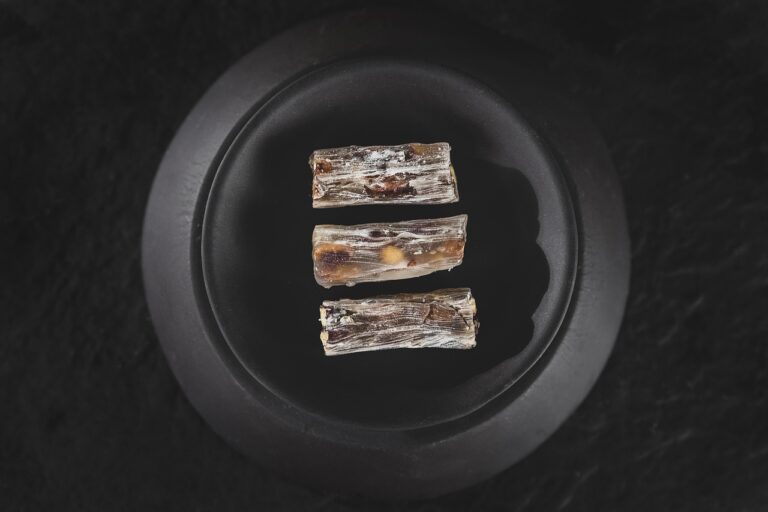
Where to Find the Best Turkish Delight (Lokum) in Turkey
Turkey is the homeland of lokum, and the country is full of sweet shops where the craft is practiced with devotion.

The History Behind Simit
Simit is one of the oldest foods of Turkey, a golden sesame ring whose story reaches back through the Ottoman centuries to…

Where to Find the Best Iskender Kebab in Turkey
Iskender kebab is a dish with one true home, the city of Bursa, and a reputation that has spread across the whole…

Urfa Kebab Vs. International Variations: What Makes It Turkish
Urfa kebab has traveled far beyond Turkey, and like many travelers, it has changed on the road.
Adana Kebab Vs. International Variations: What Makes It Turkish
You have probably eaten something called Adana kebab outside Turkey, and you may have wondered why it tasted so different from the…

How to Order Coffee like a Local in Turkey
Coffee arrived in Turkey centuries ago and left a permanent mark on the country's culture.