The restaurant scene in Sultanahmet has a bad reputation, and most of it is earned — but not by the places you’ll find here. The old city is full of commission-hungry tourist restaurants where a waiter stands in the street and the food arrives lukewarm and overpriced. It also contains some of the best and most characterful eating in Istanbul, if you know where to look: century-old meatball shops, home-style lokantas serving the food Istanbul’s grandmothers cook, and white-tablecloth fish houses that have fed visitors since the 1950s.
This guide lists the local restaurants that actually deliver, organized by meal, with what to order and how much to expect to pay.
The Golden Rules of Eating in Sultanahmet
Before the list, the three rules that save you more money than any restaurant recommendation:
- Walk one street off the main square. The menus with the laminated photos and the touts outside exist to pay the commission agent who sent you there. The same kebab, ten minutes away, costs half as much.
- Look for Turkish families. A restaurant where the clientele is mostly Turkish, especially at lunchtime, is doing something right. Empty restaurants in this neighborhood are empty for a reason.
- Skip the “free” anything. Free Turkish tea after dinner is a lovely gesture. Free “traditional” shows, free guided visits, and free dessert with a bill that grew are not.

The Icons: Places That Have Earned Their Fame
Tarihi Sultanahmet Koftecisi — the meatball institution. This corner shop on Divanyolu has been grilling the same simple product since 1920: sizzling kofte (meatballs), piyaz (white beans in a tart onion dressing), and fresh bread, with a bottle of ayran to wash it down. It is the most famous meal in the neighborhood, it is genuinely good, and it is cheap — the full plate still costs less than a cocktail. Go at off-hours to avoid the line; the shop closes when it runs out of meat.
Balikci Sabahattin — the fish house. In Cankurtaran, down near the sea walls, Sabahattin has served seafood since 1954. White tablecloths, meze by the plate, fresh fish grilled simply, and a courtyard in summer. It is the priciest restaurant on this list — a proper dinner runs 1,500 to 2,500 TL a head with drinks — but it is the one to book for a special evening. Order the meze first, then let them show you the fish.
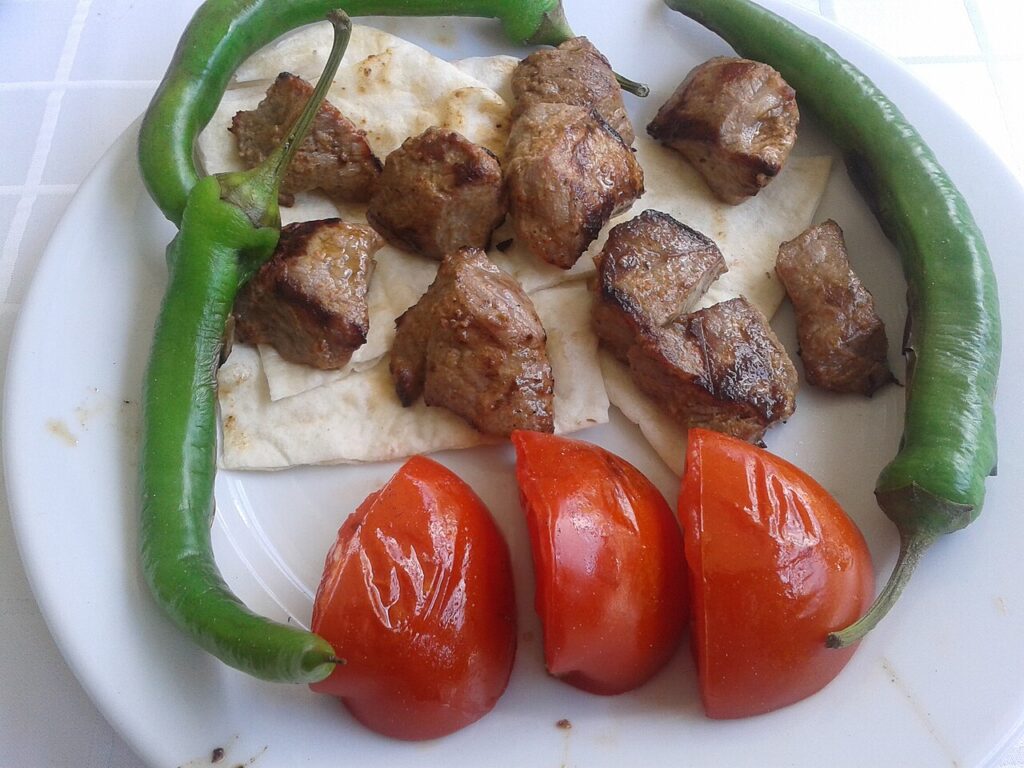
Home-Style Cooking: The Lokantas
The lokanta is Turkey’s answer to the neighborhood cafeteria: a glass counter of steaming trays, a point-and-choose system, and food that tastes like a home kitchen. Sultanahmet’s best are a short walk from the monuments.
Lale Restaurant, Akbiyik Street. The neighborhood’s most loved home-style restaurant: a set menu of the day — soup, a main, rice, salad — served by a family that has been at it for decades. There is no menu of fifty tourist dishes; there is whatever was cooked this morning, and it is excellent. Book for dinner in high season.
Tarihi Subasi Lokantasi, near the Grand Bazaar. A proper old-school lokanta with a loyal local following, serving daily dishes from a steam counter — stewed beans, stuffed peppers, meatballs in tomato sauce, and a superlative tripe soup if you’re brave. The kind of place where the regulars order without looking at the board.
Ziya Sark Sofrasi, Divanyolu. Ottoman-Turkish cooking with more ambition: pides from the wood oven, kuru fasulye, lamb stews, and desserts like the famous sutlac (baked rice pudding) that the chef has been making since the 1980s. Middle of the price range, high on character, and reliably busy with a mixed local-tourist crowd.

Cheap Eats and Street Food
Sultanahmet’s best budget eating is standing-up food.
- Doner from the spit, not the tourist plate. A proper doner sandwich from a busy shop — ask for half bread, extra tomato — beats any restaurant’s version and costs a quarter as much.
- Simit from a cart. The sesame bread ring is Istanbul’s street staple. Grab one and a cay at any corner tea garden for under 50 TL.
- Balik ekmek at Eminonu. The fish-sandwich boats at the ferry harbor are a five-minute walk downhill. Fresh mackerel, grilled to order, in half a loaf, with onion and lemon. It is street food at its best and lunch for pocket change.
- Lahmacun and pide. Thin, spicy lahmacun and the boat-shaped pide with cheese and sucuk (spiced sausage) are the two great Turkish flatbreads. The pide shops on the side streets off Divanyolu do both well.

Vegetarian and Lighter Options
Turkish food is friendlier to vegetarians than most visitors expect — the meze tradition and the vegetable dishes (zeytinyagli, everything cooked in olive oil) carry whole meals without meat:
- Meze plates. At any lokanta or fish house, order a spread of cold meze: haydari (yogurt with herbs), patlican salatasi (smoked eggplant), hummus, and sigara boregi (cheese pastries). A meze lunch needs no main course.
- Kuru fasulye. The classic white beans in tomato sauce, served with rice and pickles, is a full meal in a bowl and appears at every lokanta counter. Cheap, filling, and entirely vegetarian.
- Menemen and eggs. Beyond breakfast, menemen shows up all day at the simple cafes, and the cheese-and-sucuk versions are easy to adapt.
- Pide without the meat. The boat-shaped flatbread comes in cheese, spinach, and egg varieties that rival anything the kebab shops do.
- Lahmacun is not a pizza — but the vegetarian’s closest friend is actually the pide; ask for peynirli (with cheese) and thank the oven.
Vegans have it harder but not impossible: ask for zeytinyagli dishes (olive-oil vegetables, served cold), which are traditionally meat-free, and check whether the rice (pilav) was cooked in butter or stock.
Dessert and Tea: The Sweet Endings
Hafiz Mustafa, near the Spice Bazaar. The famous confectioner since 1864. The baklava is excellent, but the sleeper hit is the sutlac and the kazandibi (a caramelized milk pudding). Take a mixed box of lokum home; it makes better gifts than the airport versions.
The tea gardens. Sultanahmet doesn’t have the rooftop bar scene of Beyoglu, and that’s fine. Find a tea garden — the one beside the Arasta Bazaar is a good pick — order cay and baklava, and watch the minarets light up. The whole experience costs less than a coffee in London.
Turkish coffee, the old way. Thick, sweet, served with a glass of water and a piece of lokum. Ask for it “orta” (medium sugar) and drink it slowly. The grounds tell fortunes, if your waiter is in the mood.
How to Plan Your Eating
A two-day eating plan for Sultanahmet:
- Day one lunch: Meatballs at Tarihi Sultanahmet Koftecisi, then the Grand Bazaar.
- Day one dinner: Balikci Sabahattin if you’re celebrating, otherwise Lale.
- Day two breakfast: A full Turkish breakfast — menemen, simit, cheeses, honey — on a terrace (most Akbiyik guesthouses do a great one even for non-guests).
- Day two lunch: Balik ekmek at Eminonu, then the Spice Bazaar.
- Day two dinner: Ziya Sark Sofrasi, with baklava from Hafiz Mustafa after.
The Takeaway
Sultanahmet’s best meals are hiding in plain sight: a meatball shop that’s been at it for a century, a lokanta cooking the day’s tray of home dishes, a fish house down by the sea walls. Skip the menus with the photographs, follow the locals, and eat standing up at least once. The old city’s food, done right, is worth a trip of its own.
And remember the neighborhood’s food clock: breakfast is the long, lazy meal, lunch is the practical one at the lokanta counters, and dinner is when the fish houses and the grills shine. Match your restaurant to the hour, and every meal in Sultanahmet lands where it should. When you’ve eaten your way through the old city, the rest of Turkey’s table — the coast’s fish, the southeast’s kebabs, the east’s breakfasts — is waiting for the next trip.
Frequently asked questions
What food is Sultanahmet famous for?
Grilled kofte (meatballs), doner, fish sandwiches at Eminonu, baklava, Turkish breakfast, and endless tea. The neighborhood is meat-and-meze territory.
Is Sultanahmet food expensive?
The tourist strip is. The local spots — meatball shops, lokantas, street food — are genuinely affordable, often half the price of the square-facing restaurants.
Do you need to book restaurants in Sultanahmet?
Balikci Sabahattin and Lale, yes, in high season. Everything else is walk-in, especially at lunch.
Is it safe to eat street food in Istanbul?
The established vendors — fish boats, simit carts, doner shops — are safe and busy, which is the best recommendation. Use judgment like anywhere.
What should you tip in Istanbul restaurants?
Service is usually included in the bill in tourist restaurants; locals round up or leave 5–10 percent. Leave the coins, tip the good service.
Is tap water safe to drink in Istanbul?
Municipal tap water is treated but most visitors drink bottled water, and restaurants serve it. The restaurant bottle adds up over a week, so a big bottle from any corner shop costs a fraction of the table price.
Do restaurants in Sultanahmet take cards?
Almost all of them do, but the tiny lokantas and street vendors are cash-first, and card machines sometimes “break” in tourist season. Carry lira for anything under a hundred or two.

All Over Information
The All Over Information editorial team researches and writes practical English-language guides to Turkey. Facts are checked against official and local sources before publication, prices are published as dated ranges rather than quotes, and guides are revised when things change. We accept no sponsored posts, paid placements or paid links.
More guides like this

Sultanahmet in Summer: A Complete Travel Guide
Summer is when Sultanahmet is at its fullest and its most demanding.

Nightlife Guide to Sultanahmet
Let's be honest about Sultanahmet's nightlife: it is not a party neighborhood, and pretending otherwise would be a disservice. m. — the…

Best Time of Year to Visit Sultanahmet
There is no bad time to visit Sultanahmet — there are four different versions of it, one for each season, and each…

Shopping Guide: What to Buy in Sultanahmet
Sultanahmet is a shopping district disguised as a historic neighborhood, and for good reason: the Grand Bazaar has been trading here since…

Top 10 Things to Do in Sultanahmet
Sultanahmet packs more history per square kilometer than almost any district in Europe.

History and Culture of Sultanahmet
No neighborhood on earth compresses more history into a smaller space than Sultanahmet.