The nightlife of Diyarbakir is not the nightlife of Istanbul, and that is precisely its charm. This is a city of tea gardens rather than nightclubs, of riverside promenades rather than neon streets, and of long conversations rather than loud music. The nights here are social, unhurried, and deeply local, and the traveler who embraces that rhythm will find the evenings the best part of the visit.
This guide maps the nightlife of Diyarbakir: where the city goes after dark, what to expect, and how to enjoy the evenings safely and well.
The Character of Diyarbakir Nights
The evenings in Diyarbakir follow the old rhythm of the region: the day’s heat and work end, the families and friends take to the streets, and the city relaxes into its social hours. The nightlife is family-oriented, outdoor, and tea-based, and the riverside is the stage for most of it.
The music is quieter and the pace is slower than in the tourist cities of the west. The nights here are for walking, for talking, and for sitting with a glass of tea while the city moves past. The traveler expecting a club scene will be disappointed; the traveler expecting a city’s real life will be rewarded.
The hours are the other difference. The evening begins late by western standards, with the dinner crowds building through nine and ten, and the tea gardens staying full well past midnight. The nights run long, and the city is comfortable in them.
Tea Gardens by the River
The riverside tea gardens are the heart of Diyarbakir nightlife, and they are the essential evening experience. The gardens along the Tigris fill after dark with families, couples, and groups of friends, all drinking the dark tea of the region and watching the river and the lights.
The ritual is simple: find a table, order tea, and stay as long as you like. The tea arrives in the small tulip glasses of the region, the pots are refilled without asking, and the evening stretches ahead. The riverside gardens at night, with the walls black against the sky and the water sliding past, are the city at its most beautiful.
The practical notes are few. The gardens are relaxed and safe, the prices are low, and the company is easy. Bring nothing but time, and let the evening happen.
Rooftop and Courtyard Cafes
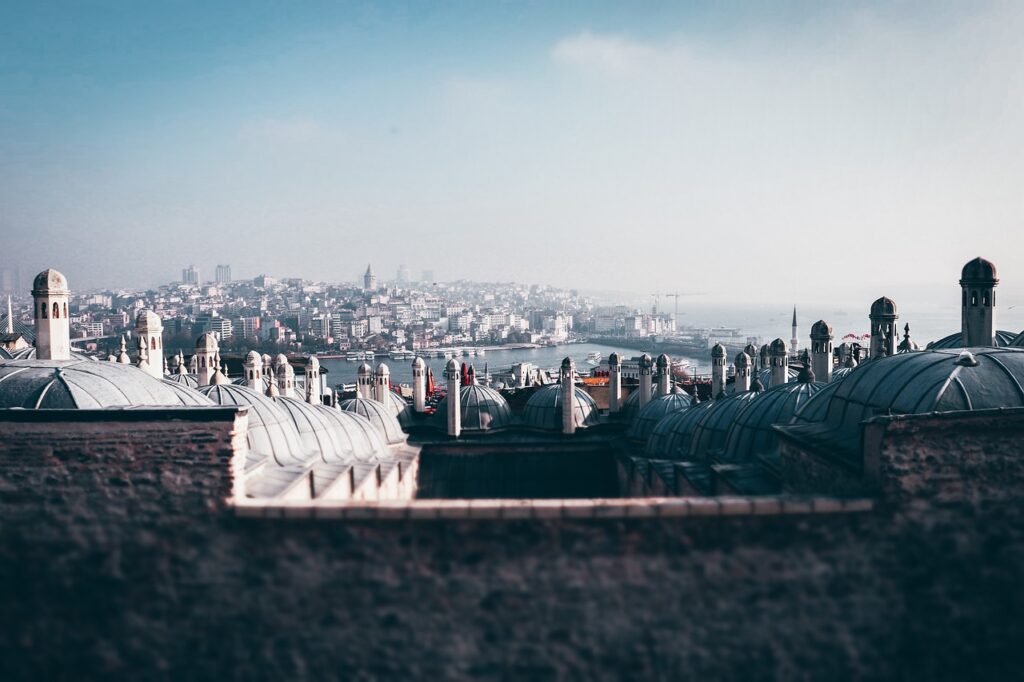
The old city adds its own layer to the nights: the rooftop and courtyard cafes that sit above the lanes and inside the restored buildings of Sur. The rooftops look out over the minarets and the walls, and the evenings up there, with the call to prayer drifting across the city, are among the most atmospheric in Turkey.
The courtyards offer the reverse pleasure, with their stone arcades, their trees, and their lamps, and the same slow tea culture carried on indoors. The restored caravanserai of the bazaar quarter is the grandest of the courtyard settings, and its evening hours are a spectacle of lamps and conversation.
These venues are the traveler’s evening base, the places where the solo visitor reads, the couples talk, and the friends gather. They are also the best places to meet the city’s younger generation, who have made the old courtyards their own.
The Restaurant Scene at Night
The restaurants of Diyarbakir come into their own at night. The kebab houses keep their grills burning late, the lokantas serve their soups and stews into the evening, and the newer restaurants of the modern districts fill with the city’s professionals. The dinner hour is the social center of the Diyarbakir evening.
The old city’s restaurants are the atmospheric choice, with their courtyards and their rooftops, and the modern district’s restaurants the contemporary one. The food is the same regional kitchen, and the dinner is a long, unhurried affair, with the tea arriving before the meal and staying after it.
The family restaurants and the grill houses are the most crowded, and the busy tables are the recommendation in themselves. For the traveler, the night restaurant scene is the easiest way into the city’s social life.

The Promenade and the Bridge at Night
The evening promenade is the great public ritual of Diyarbakir. The riverside walks fill with the city after dark, and the movement of the crowd, families and friends, young and old, is the nightlife of the city in its purest form. The promenade costs nothing, and it is the best show in town.
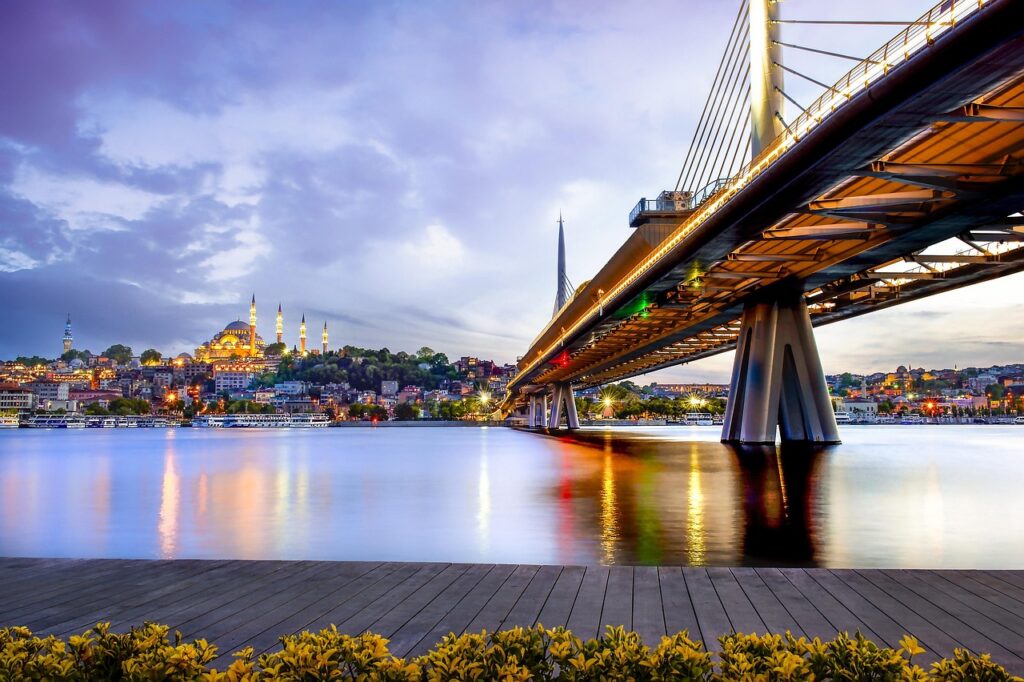
The Dicle Bridge is the promenade’s set piece. The old stone bridge is lit at night, and the walk across it, with the river and the lights below, is the classic evening experience. The bridge at night is also the photographer’s reward.
The promenade has its own etiquette: slow walking, easy conversation, and the greeting of acquaintances. The traveler who joins the movement of the evening will feel the city open around them.
Coffee Culture and the New Generation
The younger generation of Diyarbakir has built its own night culture, and the modern cafes of the city are its home. The coffee houses of the new districts serve the espresso culture of contemporary Turkey, and their evenings are loud with the conversation of students and young professionals.
The old city is not left out. The restored houses and courtyards have become the haunts of the city’s creative generation, and the evenings there mix the old architecture with the new music and the new ideas. The overlap of the ancient and the contemporary is the most interesting thing in the Diyarbakir night.
For the traveler, the modern cafes are the place to see the city’s future, and the old courtyards the place to feel its past. The two nightlife of Diyarbakir are both worth an evening.
Music and the Local Scene
Music is a quieter thread in the Diyarbakir night, but it runs deep. The region’s musical traditions, the songs of the southeast, are sung in the evenings in the tea gardens and the private gatherings, and the traveler may hear them drifting across the water or the rooftops.
The organized music scene is small but real: the cultural venues and the occasional concerts bring the region’s performers to the stage, and the summer evenings especially carry a program of music and dance. The events are announced in the local press and the cultural centers.
The music of the region is worth seeking out, because it is the sound of the city’s soul. A night with the songs of the southeast, whether in a tea garden or a concert hall, is a night of Diyarbakir that the traveler will not forget.
Nightlife Etiquette and Dress
The etiquette of the Diyarbakir night is the etiquette of the region, and it is easy to follow. Dress modestly, more so than in the western cities, and the family-friendly venues expect the same of everyone. The evenings are social rather than formal, and comfortable clothing fits in everywhere.
The drinking culture is different from the west. Alcohol is available in the more modern venues, but the tea culture dominates, and the nights run on tea rather than anything stronger. The traveler should follow the local lead and match the city’s sober pace.
The respect rules are simple: greet, smile, and keep the volume down in the family spaces. The city rewards the respectful visitor with its warmth, and the night rewards the traveler who joins it rather than observing it.

A Night Out in Diyarbakir: The Flow
A perfect Diyarbakir night flows from dinner to tea to the promenade. The evening begins with the long dinner in the old city or the new districts, moves to the riverside tea garden as the meal settles, and ends with the slow walk along the promenade and across the bridge.
The alternative flow goes upward: dinner in the old city, then the rooftop tea with the city’s lights below, then the courtyard music if the evening carries it. The night ends with the last glass of tea and the sense of a city that has welcomed you into its evening.
The nights of Diyarbakir are gentle, social, and memorably local. They are also the reason the city’s visitors leave planning their return, because the evenings here are the taste of the city’s true character.
The Seasons of the Night
The character of the Diyarbakir night changes with the seasons. In the summer, the night is the city’s main stage: the heat of the day drives everyone outdoors, the riverside gardens stay full past midnight, and the evenings feel like a festival that needs no program. The summer night is the full expression of the city’s evening culture.
Autumn and spring bring the most comfortable nights, with the mild temperatures drawing out the promenaders and the tea drinkers in their numbers. The evenings in these seasons have the best of everything: the outdoor culture of the summer without its heat, and the colors of the sky over the walls.
In the winter, the night moves indoors. The covered tea rooms, the restaurants, and the cafes of the modern districts take over, and the evenings become warmer, closer, and more conversational. The winter night of Diyarbakir is quieter, but it is no less social, and the tea flows through all the seasons of the year.
Frequently asked questions
Does Diyarbakir have nightlife?
Yes, but not the club nightlife of the western cities. Diyarbakir’s nights are centered on the tea gardens by the river, the rooftop cafes of the old city, the restaurant scene, and the evening promenade. The nights are social, family-friendly, and unhurried.
What should I wear for an evening out in Diyarbakir?
Dress modestly, with covered shoulders and knees, in both the old city and the modern venues. The evenings are social rather than formal, and comfortable clothing fits everywhere. The family-friendly venues expect the same modest standards as the rest of the city.
Is it safe to walk around Diyarbakir at night?
The main evening areas, the riverside promenade, the old city’s tourist streets, and the modern center, are safe and busy at night. The standard precautions apply, and it is wise to stick to the well-lit, populated areas and take taxis for the longer distances.

All Over Information
The All Over Information editorial team researches and writes practical English-language guides to Turkey. Facts are checked against official and local sources before publication, prices are published as dated ranges rather than quotes, and guides are revised when things change. We accept no sponsored posts, paid placements or paid links.
More guides like this
Photography Spots in Diyarbakir You Can’t Miss
Diyarbakir is one of the most photogenic cities in Turkey, and its great subject is contrast: the black basalt of the walls…
Best Time of Year to Visit Diyarbakir
Diyarbakir is a city of four distinct seasons, and each one changes the character of the visit.

Where to Stay in Diyarbakir: Neighborhood Guide
Diyarbakir is a city of two halves for travelers. Inside the black basalt walls lies Sur, the historic old city, atmospheric and…

Shopping Guide: What to Buy in Diyarbakir
Shopping in Diyarbakir is one of the great pleasures of the city, and it is a very different experience from the tourist…

Hidden Gems of Diyarbakir Most Tourists Miss
Every visitor to Diyarbakir sees the walls, walks the Hevsel Gardens, and stands before Ulu Cami.

Family-Friendly Activities in Diyarbakir
Diyarbakir is a surprisingly good destination for families, and the city knows how to treat its children.