If you are planning to visit Istanbul, Orhan Pamuk is the writer who can transform your trip from a sightseeing tour into a deeper encounter with the city. The Nobel Prize winning novelist has spent a lifetime describing the streets, moods, and memories of his hometown, and his books have become essential companions for travelers from every corner of the world. This guide explains who he is, what his vision of Istanbul means, and how you can use his work to see the city with new eyes.
Why Pamuk Matters to Visitors
Istanbul can overwhelm visitors with its monuments, crowds, and history. Pamuk offers a different entry point: he teaches you to notice the ordinary, the melancholy, and the intimate details that make the city alive beneath its famous sights. His books are not substitutes for the itinerary but companions to it, deepening every view.
His books give context and depth to everything you will see. The layers of history in a single neighborhood, the light on the Bosphorus, the quiet sadness of an old building, all acquire new meaning when you have read his descriptions.
Pamuk also helps you understand the people of the city. His characters are recognizably Turkish, with their loyalties, their dreams, and their complicated relationship with their own past, and meeting them on the page prepares you for the conversations you will have in Istanbul.
A Short Biography in Context
Orhan Pamuk was born in Istanbul in 1952 into a prosperous family, and he grew up in the city he would spend his life describing. He studied architecture and journalism before deciding to become a full-time writer at the age of twenty-three.
His first novel appeared in 1982, and success followed steadily. By the 1990s he was recognized as Turkey’s leading novelist, translated into dozens of languages and celebrated across Europe and America, and in 2006 he became the first Turkish writer to win the Nobel Prize in Literature.
Pamuk has lived in Istanbul almost his entire life, and the city is the engine of his imagination. Even his novels set elsewhere, such as the eastern city of Kars in Snow, are shaped by the perspective of an Istanbul writer.

The Book That Everyone Mentions
The essential Pamuk text for visitors is Istanbul: Memories and the City, a memoir that combines his childhood memories with essays on the city’s history and its painters. It is the closest thing to a guidebook written by a great novelist.
The memoir is not a tourist guide in the usual sense. It describes a city of ruins, fog, and melancholy, seen through the eyes of a boy who watches from his window and dreams of becoming a painter. Yet it captures something essential about the atmosphere of Istanbul.
Reading it before you arrive, or during your stay, will change how you see everything, from the old wooden houses of the historic neighborhoods to the ferries crossing the Bosphorus in the rain. It gives the city a depth that no museum ticket can provide.
Huzun, the Melancholy of the City
The key word in Pamuk’s vision of Istanbul is huzun, a Turkish word for melancholy. In his telling, the city is pervaded by a collective sadness, a feeling that hangs over its monuments, its streets, and its people.
Pamuk traces this melancholy to the end of the Ottoman Empire, when a great civilization collapsed and the city that had been its capital was left to make sense of its loss. The ruins of the past are everywhere, and the mood of the city, he argues, is shaped by them.
Huzun is not a negative force in his writing. It is a source of identity and beauty, a way of living with history, and understanding it will help you appreciate the tone of the city in a way no guidebook can teach.
Istanbul in Pamuk’s Novels
Beyond the memoir, Istanbul runs through all of Pamuk’s fiction. The Black Book is a labyrinth of stories set in the city’s streets, while The Museum of Innocence follows a love affair through the neighborhoods of the 1970s, a world of family homes, shops, and movie theaters.
His novel A Strangeness in My Mind takes the city from the 1960s to the present through the eyes of a street vendor, capturing the enormous changes Istanbul has undergone. The city is not a backdrop in these books but a living presence.
For visitors, the novels offer a deeper layer of the city than any itinerary. The neighborhoods he describes are still there, changed but recognizable, and walking through them with his books in mind is one of the great pleasures of a visit.
The Museum of Innocence
The Museum of Innocence is one of the most unusual literary projects in the world. It began as a novel about a wealthy young man who collects the objects belonging to the woman he loves, and it grew into a real museum in the old city of Istanbul.
The museum displays the objects described in the novel, from hairpins and cigarette holders to entire rooms, in glass cases arranged by chapter. Visitors can walk through the story as they walk through the building, and the experience is unlike anything else in the city.
For travelers, the museum is a unique experience, a place where fiction and reality meet. It is also a portrait of Istanbul life in the 1970s, and it has become one of the most distinctive cultural stops in the city.

What Makes His Style Distinctive
Pamuk’s style is immediately recognizable. His sentences are patient and precise, his descriptions are painterly, and his novels often build slowly, accumulating atmosphere and detail until the emotional weight becomes overwhelming.
He is a master of memory and interiority. His characters think, doubt, and remember at length, and his books explore the inner life with a depth that has reminded many readers of the great Russian novelists.
He also loves puzzles and layers. Novels within novels, multiple narrators, paintings, maps, and playful references to other texts appear throughout his work, making his books both deeply serious and quietly entertaining. His admirers return to them again and again, always finding new details.
Reading Him Before You Travel
The best time to read Pamuk is before you arrive in Istanbul, because his descriptions will shape how you see the city. Even a single novel read on the plane will give your visit a new dimension.
If you have less time, the memoir Istanbul: Memories and the City is the ideal preparation, because it combines atmosphere with information. Pair it with a novel, and you will have both the mood and the story of the city.
Bring one of his books with you as well. Reading a few pages in a cafe overlooking the Bosphorus, or on a ferry crossing the water between Europe and Asia, is exactly the kind of experience that makes travel memorable.

Pamuk’s City in Your Itinerary
You can weave Pamuk into your itinerary without much effort. The historic neighborhoods of the old city, the shores of the Bosphorus, and the streets of the European side all appear in his work and are easy to visit.
The Museum of Innocence is the most explicit literary destination, but the real city is everywhere in his books. Walk slowly, look at the buildings, watch the ferries, and you will begin to see Istanbul the way he does.
Many travelers find that a Pamuk-inspired walk, with no agenda beyond noticing, becomes the highlight of their trip. The city rewards attention, and his books are the best teacher of that attention.
Common Misunderstandings to Avoid
A few misunderstandings are common among foreign readers of Pamuk. The first is that his melancholy means Istanbul is a sad place; in fact, the city is full of energy and life, and his huzun is a mood he discerns beneath the surface.
Another is that he represents all of Turkey. Pamuk is an Istanbul writer, and his vision, however profound, is that of a particular class and neighborhood. The country, with its mountains, villages, and eastern cities, is far more varied than any single writer can capture.
Finally, some readers assume his novels are difficult, academic, or slow. They are rich and rewarding, but they are also entertaining, funny, and full of story, with suspense, romance, and mystery woven into the philosophy. Do not be intimidated; just begin with the right book and let the city do the rest.
Frequently asked questions
Which Pamuk book is best for a first-time reader?
Istanbul: Memories and the City is the best introduction for travelers, because it combines his personal memories with a portrait of the city, its painters, and its atmosphere. For a novel, My Name Is Red is inventive and gripping, a murder mystery set among Ottoman miniature painters. Snow, set in the eastern city of Kars, addresses religion and politics with unusual directness, and The Museum of Innocence is ideal if you also plan to visit the museum.
Is the Museum of Innocence worth visiting?
Yes. The museum displays the objects described in the novel, arranged by chapter in glass cases, and it is a unique place where fiction becomes physical. It also preserves the atmosphere of Istanbul in the 1970s, with its family homes, shops, and street life. Fans of the book will love it, and even newcomers find it a distinctive and moving experience.
Does reading Pamuk really change how you see Istanbul?
Most travelers say yes. Pamuk teaches you to notice the city’s layers, its melancholy light, and its ordinary streets, not only its monuments. A ferry ride becomes a meditation, an old building becomes a story, and a crowded square becomes a stage. Walking through Istanbul after reading him, or with his books in hand, transforms sightseeing into a deeper encounter with the city and its memory.

All Over Information
The All Over Information editorial team researches and writes practical English-language guides to Turkey. Facts are checked against official and local sources before publication, prices are published as dated ranges rather than quotes, and guides are revised when things change. We accept no sponsored posts, paid placements or paid links.
More guides like this

A Deep Dive into the Street Cats of Istanbul
Istanbul's street cats are more than a charming sight for tourists; they are a living piece of the city's history and identity.

A Guide to Turkish National Holidays
Turkey's national holidays are a mix of secular celebrations and religious festivals, and they reveal a great deal about the country's history…

Traditional Turkish Medicine Practices
Before the modern hospital, Turkey had a medicine of its own.

Understanding the Phrygian Civilization: A Beginner’s Guide
If you know the legend of King Midas and the riddle of the Gordian knot, you already know something of the Phrygians.
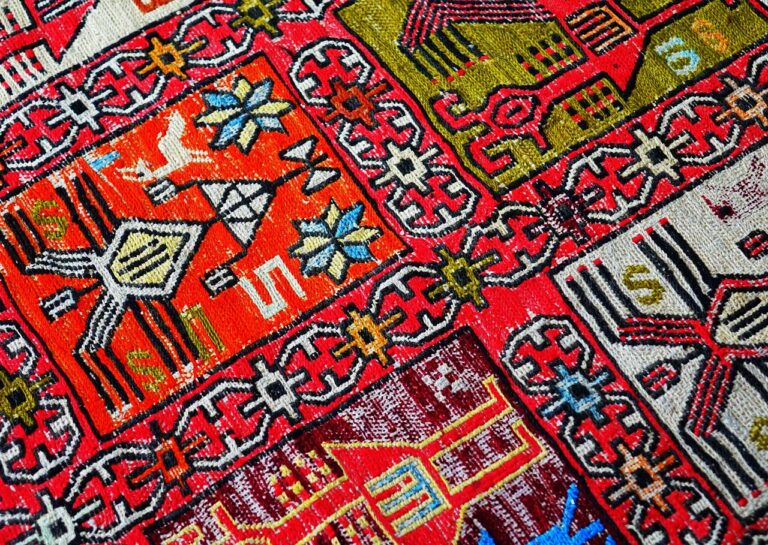
Understanding Turkish Carpet Weaving Traditions
Turkish carpets are among the most famous crafts in the world, and behind every woven pattern lies a tradition that stretches back…
Understanding Turkish Naming Traditions
Every culture has its own way of naming children, and Turkey's is one of the most expressive in the world. A Turkish…