Winter in Amasra is the town’s most secret season, and for the right traveler it is also its best. The summer crowds that fill the beaches and the promenade are gone; the working fishing town is at its realest; the hamsi season fills the harbor and the restaurants with the town’s own life; and the castle, the old town, and the views belong to the handful of travelers who came anyway. It is not a beach holiday — the Black Sea in winter is a dramatic, grey-green presence to be walked beside rather than swum in — and the weather asks for warm clothes and flexible plans. But the reward is a genuine fishing town at its most authentic, the region’s food at its best, and prices that make the summer rates look absurd. This guide explains exactly what to expect, what stays open, what to do, and how to get the most out of an off-season visit.
The Winter Climate: What It’s Actually Like
Amasra sits on the Black Sea, which gives it a cooler, wetter winter than the Mediterranean coast. The honest picture:
- Temperatures: daytime highs in winter generally sit between 8°C and 13°C, with nights dropping toward 2–5°C. Frost is common, and the hills behind the town can see snow.
- Sun and rain: expect real rain, and a good deal of it — the Black Sea coast is one of the wettest parts of Turkey, and the winter brings steady showers and cloud. But it is not constant: bright, crisp days break through, and the winter light over the sea and the town is dramatic.
- Snow: possible in the town, likely on the hills above it. A snow-dusted castle and harbor is one of the winter’s great sights.
- The sea: far too cold for swimming. Winter Amasra is for walking the coast, watching the fishing boats, and eating the season’s fish.
The practical result: with warm clothes, a proper rain jacket, and plans that bend with the weather, the winter is genuinely enjoyable — and the town, stripped of the crowds, is at its most real.

What Stays Open in Winter
The crucial question, because Amasra’s economy is strongly seasonal. The honest answer is “less than summer, more than you’d think”:
- The town itself. Amasra is a working town, and the winter is its real season — the fishing, the shops, and the everyday life carry on. The town does not close in winter; it becomes itself.
- The harbor. The harbor is the winter’s center of gravity — the fishing boats working harder than ever, the hamsi season at its height, and the town’s life focused on the water.
- The fish restaurants. The seafront restaurants stay open, and the winter is their finest hour — the hamsi season brings the town’s own diners, and the fish of the season is the best of the year.
- The castle and the views. Open all year, and in the winter light and the possible snow, at their most dramatic.
- The accommodation. A core of pensions and hotels stays open through the winter, serving the off-season travelers and the long-stayers. Many of the summer places close; check ahead and confirm.
What to Do in Winter Amasra
Without the beach swimming, winter Amasra turns toward the town’s real life and the season’s own pleasures:
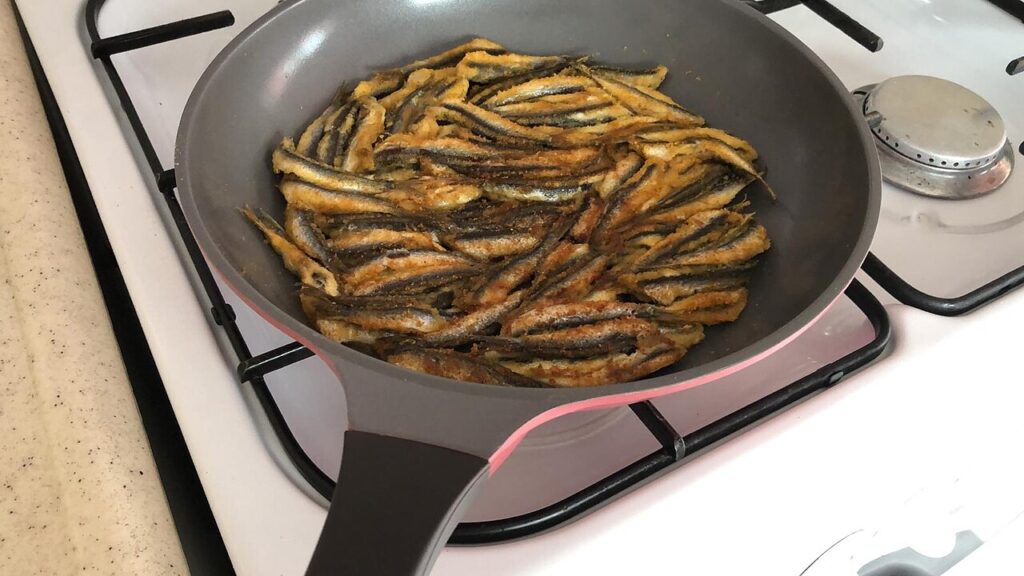
Eat the hamsi. This is the winter’s great gift. The anchovy season runs roughly November through February, and the town’s restaurants fill with the hamsi in its many forms — fried, in pilaf, baked in cornbread. For food travelers, winter is the season to come, and the hamsi at its best is the reason.
Walk the castle and the views. The castle on its island, the viewpoints above the old town, and the promenade are all open, and in the winter light — low, golden, and dramatic over the grey sea — they are at their most photogenic. A snow-dusted castle is the image of the winter town.
Watch the working harbor. The winter is when the harbor is busiest — the fishing boats working the hamsi run, the catch landing, the town’s life at the water. The morning harbor in winter, with the boats and the fishermen, is the real Amasra at its realest.
Walk the coast. The beach and the coast paths are superb winter walks — empty, dramatic, and beautiful in the changing light. Bundle up and walk the shore, the coves, and the headlands.
Explore the interior. The green hills behind the town are at their greenest in the winter rains, and the villages and the valleys reward a drive — the tea gardens, the farming life, and the mist over the hills are the season’s landscape.
The regional food. Beyond the hamsi, the winter is the season of the region’s comfort food — the muhlama, the soups, the stews, and the warm kitchens of the town’s restaurants.
Live the town’s winter. The tea gardens, the market, the conversations with the fishermen, and the evenings with the few other travelers — this is the real Amasra, and in winter you have it to yourself.

What to Pack
- Warm layers. The winter is genuinely cold. A warm coat, layers, a hat, and gloves are the essentials.
- A good rain jacket. The Black Sea winter is wet, and the showers arrive quickly. A proper rain jacket makes the difference.
- Sturdy, waterproof footwear. The castle, the coast, and the old-town lanes can be wet and slippery. Good shoes are essential.
- A camera. The winter light — over the sea, the castle, and the possibly snow-dusted town — is the season’s gift.
- Travel insurance and flexible plans. With the seasonal closures and the weather, flexibility matters more in winter than in summer.
The Practical Realities
- Book accommodation ahead and confirm it is open. The winter inventory is small, and many summer pensions close. An email or a message before you go is essential.
- Expect some closures. The excursion boats are laid up, the beach services are gone, and some of the summer restaurants are closed. Plan around the year-round places.
- Driving is the best way around. With fewer services, a car makes winter Amasra far easier to enjoy, especially for the day trips and the interior.
- Prices drop steeply. Winter accommodation is dramatically cheaper than summer — often half or less — and the town’s restaurants remain honest.
- The hamsi season is the highlight. If your dates can bend, come in the anchovy season (November through February) for the region’s great food at its best.
- Check the weather. The Black Sea winter can bring storms; check the forecast and plan the outdoor days around the clear spells.
Who Should Visit in Winter
Winter Amasra suits: food travelers (the hamsi season), photographers (the dramatic winter light), travelers who want the real fishing town without the crowds, and anyone for whom the winter prices and the town’s authenticity outweigh the beach.
Winter Amasra does not suit: travelers whose sole purpose is the beach and swimming, anyone who needs the full summer infrastructure, and those expecting Mediterranean weather. For those, the summer or shoulder seasons are the honest answer.
The Takeaway
Winter Amasra is the town at its realest: a working fishing port in its busiest season, the hamsi at its best, the castle and the views empty and dramatic in the low winter light, and the summer crowds replaced by the town’s own life. It is not a beach holiday, and the weather asks for warm clothes and flexibility. But for the traveler who wants the genuine Black Sea town, the region’s great food, and the winter prices, it is the season the locals know best — and the one that makes Amasra more than a summer postcard.
Frequently asked questions
Is Amasra open in winter?
Yes. The town is a working place, and the winter is its real season — the harbor, the fish restaurants, the castle, and the views all carry on, though many of the summer pensions and seasonal businesses close.
Is it cold in Amasra in winter?
Yes, genuinely — daytime highs around 8–13°C, nights near freezing, and real rain. It is a working Black Sea town in its winter, not a mild Mediterranean resort.
Can you swim in Amasra in winter?
No. The sea is far too cold, and the beach is a summer experience. Winter Amasra is for the harbor, the food, and the walking.
What is the best reason to visit Amasra in winter?
The hamsi season — the anchovies run from roughly November through February, and the town’s restaurants are at their best.
What should I pack for Amasra in winter?
Warm layers, a proper rain jacket, waterproof shoes, and a camera for the dramatic winter light.
Is winter a good time to visit Amasra?
Yes, for the right traveler: the real fishing town, the best food of the year, the crowds gone, and the prices at their lowest.

All Over Information
The All Over Information editorial team researches and writes practical English-language guides to Turkey. Facts are checked against official and local sources before publication, prices are published as dated ranges rather than quotes, and guides are revised when things change. We accept no sponsored posts, paid placements or paid links.
More guides like this
A Foodie’s Guide to Amasra
Amasra is one of the most distinctive food towns in Turkey, and the reason is simple: it is a fishing port on…

Shopping Guide: What to Buy in Amasra
Amasra is not a shopping town in the way of the Grand Bazaar or a resort's boutique strip — there are no…

Nightlife Guide to Amasra
Let's be clear about what nightlife means in Amasra, because the town has nothing to do with neon, DJs, and queues —…
Hidden Gems of Amasra Most Tourists Miss
Amasra is a small town, and its famous things — the castle, the harbor, the postcard views — draw the crowds that…
Photography Spots in Amasra You Can’t Miss
Amasra is one of the most photographed towns in Turkey, and the reason is visible from the first moment you see it:…

Where to Stay in Amasra: Neighborhood Guide
Amasra is a small town, and the choice of where to stay is really a choice about the view and the atmosphere…