Troy is one of the quieter great sites of Turkey, and for most of the year the crowds are modest, but they still exist, and they cluster in predictable patterns. Cruise excursions, school groups, and summer weekends can fill the mound and the museum in ways that dilute the experience. The good news is that avoiding the rush at Troy is easy, because the site is compact and the busy windows are narrow. This guide explains the best seasons, days, and hours for a calm visit to the city of the Iliad.
The Crowd Pattern at Troy
Troy draws far fewer visitors than Ephesus, and that is its blessing. In the shoulder seasons, the mound can be nearly empty at opening time, and even in summer the crowds pass through in waves rather than in a constant flood.
The main sources of pressure are the organized tours, which arrive mid-morning and group around the wooden horse and the museum, and the day-trippers from Canakkale, who follow a similar schedule. The result is a daily rhythm with clear peaks and clear troughs.
The museum, which opened in 2018, absorbs much of the flow, which actually thins the crowd on the mound itself. If you time your visit to the troughs, you will often have the walls of Troy VI to yourself.
Spring: April to June
Spring is the ideal season at Troy. The plain of the Troad turns green, the wildflowers spread across the fields, and the temperatures are comfortable for the walk around the mound, usually in the mid to low twenties.
The tour season builds through May and peaks in June, but the site remains manageable, and the long daylight gives you flexibility. The light in the spring mornings and evenings is superb, raking across the limestone walls and the scrub of the mound.
For the best of the season, aim for late April or early May, when the crowds are still thin and the landscape is at its most beautiful. The combination of calm, flowers, and perfect walking weather is hard to beat.

Autumn: September to October
September and October are the second great window. The summer crowds have gone home, the heat has broken, and the site settles into a gentle, almost contemplative rhythm that suits the literary atmosphere of Troy perfectly.
October brings golden light and the first cool breezes from the Dardanelles, and by late October the mound can be almost empty on weekday afternoons. The museum, too, is quiet, and the whole visit takes on a unhurried quality.
The one caution is the shortening of the hours through the autumn. Arrive at opening time or early afternoon, and you will have the site at its calmest and its most beautiful.
There is a practical note that applies to every season: the site and the museum work best together, and the order of your visit shapes your experience of the crowds. If you walk the mound first, you meet the morning light and the empty walls; if you do the museum first, you arrive at the site with the story fresh in mind. Either way, try to avoid crossing the entrance plaza when the tour groups are changing, around mid-morning, because that is when the queue for the wooden horse and the ticket windows is longest.
Summer: The Peak Season
July and August are the busiest months at Troy. The days are hot, the sun beats down on the exposed mound, and the tour groups from Istanbul, Canakkale, and the cruise ships fill the site through the middle of the day.
The experience is still far gentler than at Ephesus, but the queue for the wooden horse grows, the museum halls fill, and the exposed walking becomes tiring in the afternoon heat. The smart summer visitor starts at opening time and finishes by early afternoon.
The later afternoon, after the tours have left, is also surprisingly quiet. The heat breaks, the light turns golden over the plain, and the walls of the citadel take on their most dramatic glow.

Winter: The Solitary Visit
Winter is the secret season of Troy. From December through February, the site receives a handful of visitors a day, and on a clear morning you may walk the whole circuit accompanied only by the wind and the crows.
The low winter sun gives the mound its most dramatic light, with long shadows across the walls and the grass, and the silence is exactly right for a site whose greatest monument is a poem. The empty museum, too, rewards the visitor with time to look.
The trade-offs are the short hours, the reduced schedules of the minibuses, and the risk of rain, which turns the mound’s paths slippery. For the traveler who accepts these, winter Troy is an experience of rare intimacy.
The Time of Day
The time of day matters more at Troy than the season. The morning opening hour is the golden window, when the tours have not arrived, the light is soft, and the whole site feels like a private visit.
The midday hours, roughly 11 a.m. to 2 p.m., are the busiest, as the tours cycle through the horse, the mound, and the museum. The late afternoon, in the last two hours before closing, is the second quiet window, and it comes with the best light of the day.
If you have a single afternoon, plan to arrive in the late morning, walk the mound, and finish in the museum, where the cool galleries are a relief and the exhibits fill the gap left by the departing crowds.

Weekdays vs Weekends
The weekday is the friend of the calm visitor. The organized tours cluster on the weekdays of the peak season, it is true, but the domestic day-trippers arrive mainly on weekends, so the balance between the two favors a midweek visit.
Mondays, Tuesdays, and Thursdays are generally the calmest days, while Saturdays can be lively with families and groups from Istanbul and the surrounding cities. The Sunday morning, before the day-trippers arrive, is a hidden gem.
If your schedule is flexible, choose a Tuesday or a Thursday, and combine it with the earliest or the latest hours. The combination of a quiet day and a quiet hour is the surest route to a solitary Troy.
Holidays and Special Events
The Turkish school holidays and public holidays bring their own surges. The summer break fills the weekends with families, and the spring religious holidays can draw large crowds to the site and the museum.
The national holiday around late October, and the spring observances around Canakkale and Gallipoli, also bring visitors to the region, which spills over into Troy. On such days the mound can be busy even outside the summer season.
None of these events makes Troy unpleasant, and the site absorbs the crowds far better than most, but if you are planning a first visit with children or photographers, it is worth checking the calendar and choosing a quieter week.

Weather and What It Means for the Walk
The walk around the mound is short and mostly open, so the weather governs the comfort of the visit. Spring and autumn offer the ideal balance of warmth and sun, while summer demands hat, water, and an early start.
Winter is cold and windy, with the wind off the Dardanelles cutting across the plain, and rain can arrive suddenly. The paths become slippery, and the museum, warm and dry, becomes the heart of the winter visit.
Whatever the season, the low light of the early morning and the late afternoon shows the walls of Troy at their best. The weather shapes the comfort, but the light shapes the memory, and both reward the visitor who plans around them.
One more factor worth checking is the cruise calendar. On days when ships are in port, excursion groups can add several hundred visitors to the site in the middle hours, even in the shoulder seasons. The excursions concentrate on the classic circuit, so the upper parts of the mound and the quieter corners of the museum stay calm regardless. If a completely empty site matters to you, check the ship schedules for Canakkale and choose a day without arrivals.
The Strategy, Summarized
The perfect Troy visit is easy to construct: choose a weekday in May, September, or early October; arrive at opening time or in the last two hours; walk the mound before the tours; and finish in the museum. In summer, start early and rest in the shade of the museum at midday.
In winter, embrace the solitude and dress for the wind. On any day, avoid the midday window between 11 a.m. and 2 p.m., when the tours cluster, and you will rarely share the walls with more than a handful of people.
Follow that pattern and Troy gives you its best self: quiet, golden, and private, a place where the legend has room to breathe. The city of the Iliad rewards the traveler who arrives at the right hour.
Frequently asked questions
What is the best time of year to visit Troy?
May and September offer the best combination of weather, light, and thin crowds. Late April and early October are also excellent. Summer is busy but manageable with an early start, and winter offers near-total solitude with the trade-offs of short hours and possible rain.
What is the best time of day to visit Troy?
The first hour after opening is the quietest and most beautiful, with soft light and no tour groups. The last two hours before closing are the second best window. Avoid the midday hours from about 11 a.m. to 2 p.m., when the organized tours cluster at the horse and the museum.
Does Troy get as crowded as Ephesus?
No. Troy receives a small fraction of Ephesus’s visitors, and the crowds pass through in waves rather than a constant flood. Even on a busy summer day, the mound itself rarely feels overwhelmed, and a weekday in the shoulder season can be almost empty.

All Over Information
The All Over Information editorial team researches and writes practical English-language guides to Turkey. Facts are checked against official and local sources before publication, prices are published as dated ranges rather than quotes, and guides are revised when things change. We accept no sponsored posts, paid placements or paid links.
More guides like this

The Complete History of Troy
Troy is the most famous name in Western literature, the city of Helen, Achilles, and the wooden horse, and it is also…

Best Time to Visit Xanthos to Avoid Crowds
Xanthos is one of the quietest of Turkey's great ancient sites, a hilltop of ruins on the Lycian coast that most travelers…
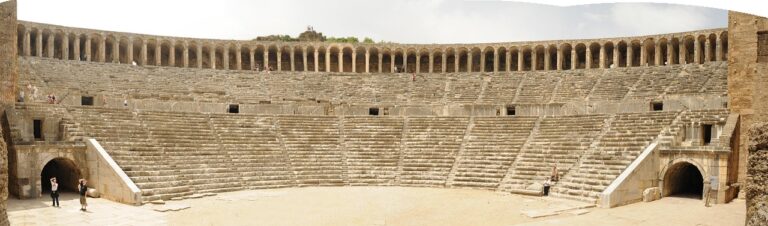
Visiting Aspendos: Tickets, Hours, and Tips
Aspendos is the theatre lover's pilgrimage, a Roman building so perfectly preserved that you can still hear a whisper from the stage…

Why Xanthos Should Be on Your Turkey Bucket List
Turkey's southwest coast is full of ancient wonders, but Xanthos stands apart. It is not the biggest site or the best preserved,…

Best Time to Visit Aphrodisias to Avoid Crowds
Aphrodisias is quieter than Turkey's most famous ancient sites, but it is still a UNESCO World Heritage destination, and the crowds come…

Visiting Priene: Tickets, Hours, and Tips
Priene is one of the most beautiful and rewarding ancient sites in Turkey, and also one of the most demanding.