Safranbolu is one of the best shopping towns in Turkey for the traveler who wants something genuine — not because it has grand bazaars, but because it is a working historic town with real crafts and real products. The shopping is the town’s own: the lokum (Turkish delight) made fresh in the confectioners, the saffron products of the town’s namesake, the crafts of the coppersmiths and the artisans, and the local foods of the region. For the traveler who wants to take something of the place home, the real shopping in Safranbolu is in the town’s crafts and its sweets, and the best souvenirs are the ones that carry the town’s identity. This guide covers what is genuinely worth buying, where to find it, and what to skip.
The Honest Shopping Landscape
Here is the reality: Safranbolu is a historic town with a genuine craft and food tradition, and the shopping reflects it. What you will find:
- The bazaar and the old-town shops. The shops around the Cinci Han and the old town’s lanes, selling the crafts, the sweets, and the local products.
- The confectioners. The makers of the town’s lokum and its sweets, selling fresh from the shops.
- The craftsmen and the workshops. The coppersmiths and the artisans of the old town, working and selling.
- The saffron products. The town’s namesake — the saffron, the teas, and the products made from it.
The smart approach is to treat shopping as part of the town’s experience — buy the crafts and the sweets because they are real, not because the itinerary demands a shopping stop.
What Is Genuinely Worth Buying
The lokum (Turkish delight). The town’s great confectionery — the fresh lokum made in the confectioners of the bazaar, in the flavors of the region. It is among the best in Turkey, and the fresh, made-in-the-town version is the taste of the place.
The saffron products. The town’s namesake — the saffron itself, and the teas, the soaps, and the products made from it. The saffron is the thread of the town’s history, and the products carry it home.
The copper crafts. The town’s copperwork — the coppersmiths of the old town make the pots, the trays, and the traditional pieces, and the crafts are the working tradition of the town.
The local crafts. The other crafts of the town — the textiles, the woodwork, and the handmade goods — the honest local work worth seeking out.
The local foods. The sweets, the pastries, and the local specialties of the region — the tastes of the town, and the souvenirs that carry.
What to skip: the mass-produced trinkets, the “authentic” antiques, and anything designed for tourists who will never come back. The town rewards discrimination, and the real shopping is in the crafts and the sweets.
Where to Shop
The bazaar and the Cinci Han. The shops around the caravanserai and the bazaar are the town’s commercial heart — the crafts, the sweets, and the local products, with the sense of the trading town.
The confectioners. The makers of the town’s lokum and its sweets, selling fresh from their shops — the town’s great culinary shopping.
The workshops of the old town. The coppersmiths and the artisans, working in the old quarter — the shopping as the watching of the craft being made.
The old-town lanes. The shops along the lanes sell the crafts, the foods, and the local products, at the honest prices of the town.
The Practical Shopping Guide
- Cash is king. The bazaar’s shops, the confectioners, and the workshops are cash operations. Carry lira.
- Buy the lokum fresh. The confectioners sell the local delight fresh, and it is the souvenir that tastes of the place — the fresh version is worth the small effort over the packaged.
- Watch the crafts being made. The workshops of the old town let you watch the making — the copper beating, the craft at work — and the watching is part of the buying.
- Prices are honest. Safranbolu is a working town, and the prices are fair. Gentle bargaining is traditional at the bazaar, but the quality is the point.
- Check the transport. If you are flying home, remember the liquid and the customs rules for the sweets, the teas, and the saffron products — pack them for the journey accordingly.
- Ask the konak. The hosts know who makes the best lokum, which workshop is the genuine one, and what is worth buying. A question at breakfast is the best shopping research available.

Souvenirs That Are Not Things
It is worth saying the obvious: the best souvenirs of the town are not objects. The lokum is lovely, but the real keepsakes are the ones you cannot wrap — the photographs of the lanes and the konaks, the memory of the town’s evenings, and the sense of having walked through the Ottoman world. Buy the lokum and the saffron, by all means; but do not let the search for souvenirs steal time from the reason you came.
A Suggested Shopping Plan
- In the bazaar: the crafts, the sweets, and the local products — the town’s commercial heart.
- At the confectioners: the lokum, fresh and in the flavors of the region.
- At the workshops: the copper crafts and the work of the artisans, watched being made.
- On the last day: the small things — the lokum, the saffron, the one craft you actually love — and the town’s tastes for the journey.
The Story of the Lokum
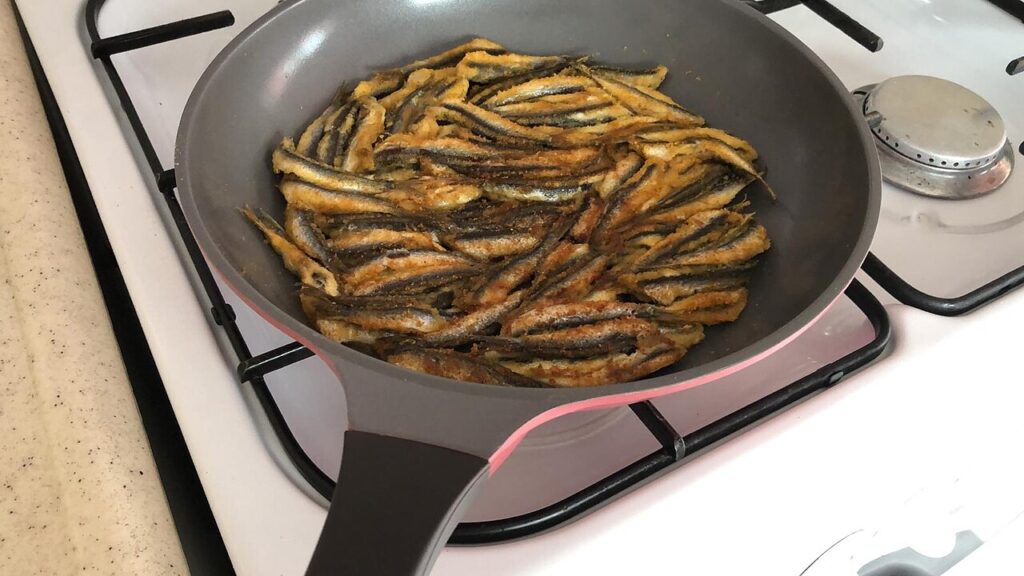
The lokum deserves its own section, because it is the town’s great food product. Turkish delight is made across Turkey, but the lokum of Safranbolu is among the best — and the fresh, made-in-the-town version is a different thing from the packaged boxes: soft, fragrant, and flavored with the rose, the lemon, the pistachio, and the local tastes of the region. The confectioners of the town make it in small batches, and the fresh lokum, cut and dusted in the shops, is the taste of the place. For the food traveler, the lokum is the souvenir that carries the town home — the confectionery of a town that has been making sweets for centuries, bought at its source.
The Story of the Saffron
The saffron also deserves its own note, because it is the town’s namesake and its signature. Safranbolu’s name carries it — saffron and the fortified town — and for centuries the region grew the saffron that was the town’s great trade. The saffron cultivation continues in the region, small and precious, and the products made from it — the spice itself, the teas, the soaps, and the cosmetics — are the town’s signature shopping. The saffron connects the modern town to the trading town that built the konaks and the caravanserai, and buying it is taking home the thread of the town’s history. For the traveler who wants a souvenir with a story, the saffron is the one.

The Workshops and the Watching
Part of the pleasure of shopping in Safranbolu is that the crafts are made in the town, and the workshops of the old quarter let you watch. The coppersmiths beat their metal, the artisans work the traditional trades, and the shopping becomes a visit to the working life of the town — the watching is half the experience. The traveler who stops at the workshops, watches the making, and buys from the maker gets the crafts with their story attached. It is the difference between a souvenir and a piece of the place — and in a town as genuine as Safranbolu, that difference is worth the small effort of looking beyond the shopfronts.
The Takeaway
Shopping in Safranbolu is part of the town’s experience: the lokum fresh from the confectioners, the saffron of the town’s namesake, the copper of the coppersmiths, and the crafts of the old quarter — the honest products of a working historic town. Buy the sweets and the crafts, watch the making, and spend the rest of your budget on the things that cannot be purchased: the days in the lanes, the konak evenings, and the memory of walking through the Ottoman world. That is the real souvenir of Safranbolu.
Frequently asked questions
Is there good shopping in Safranbolu?
Yes — the town has a genuine craft and food tradition, and the lokum, the saffron products, and the copper crafts are honest and good.
What should I buy in Safranbolu?
The lokum (Turkish delight), the saffron products of the town’s namesake, the copper crafts, and the local foods — the souvenirs that carry the town’s identity.
Are there markets in Safranbolu?
The bazaar around the Cinci Han is the town’s commercial heart, and the old-town shops and the workshops line the lanes.
Do I need cash for shopping?
Yes. The bazaar’s shops, the confectioners, and the workshops are cash operations, so carry lira.
Is the lokum worth buying?
Yes — the fresh, made-in-the-town version is among the best in Turkey, and it is the taste of the place.
Can I bargain?
Gentle bargaining is traditional at the bazaar, but the quality is the point and the prices are honest.

All Over Information
The All Over Information editorial team researches and writes practical English-language guides to Turkey. Facts are checked against official and local sources before publication, prices are published as dated ranges rather than quotes, and guides are revised when things change. We accept no sponsored posts, paid placements or paid links.
More guides like this
Hidden Gems of Safranbolu Most Tourists Miss
Safranbolu is one of Turkey's great historic towns, and the crowds follow a well-worn circuit — the main lanes of Çukur, the…

Nightlife Guide to Safranbolu
Let's be clear about what nightlife means in Safranbolu, because the historic town has nothing to do with neon, DJs, and queues…

Safranbolu on a Budget: Money-Saving Travel Tips
Safranbolu is one of Turkey's great historic towns, and it is also one of the most affordable — the old town's lanes…
How to Get to Safranbolu from Istanbul
Getting from Istanbul to Safranbolu is a manageable journey — roughly 400 kilometers by road, and several ways to do it, each…
Top 10 Things to Do in Safranbolu
Safranbolu is a town where the best experiences are the simplest — walking the lanes, seeing the houses, and living the rhythm…

Safranbolu Airport and Transport Guide
Getting to Safranbolu is a road journey at heart — there is no airport in the town, no railway station, and every…