Winter is Sumela at its most dramatic — and its most uncertain. The monastery on its cliff above a snow-covered valley, with the forest white and the river frozen at the edges, is one of the most striking sights in Turkey. But the winter also brings the real risk of closure: the mountain roads and the site itself can close with the snow and the weather, and the visitor must plan around the conditions. For the traveler who comes prepared, the reward is the great sight at its most atmospheric — the monastery above a white world, with the crowds gone and the light low and beautiful. This guide explains exactly what to expect, what stays open, what to do, and how to get the most out of a winter visit.
The Winter Climate: What It’s Actually Like
Sumela sits high in the Altındere Valley of the Pontic Mountains, and the winter there is a real mountain winter. The honest picture:
- Temperatures: daytime highs in winter generally sit between 0°C and 6°C, with nights well below freezing. The snow is deep, and the cold is genuine.
- Snow: heavy and persistent through the winter — the valley and the high country are buried in snow from December through March. The snow is the winter’s beauty and its main practical challenge.
- The weather: the mountain weather is changeable — bright, cold, clear days and snow days alternate, and the mist can hang over the white valley.
- The roads and the access: the mountain roads and the monastery’s access can close with the snow and the ice — this is the crucial winter reality. Check the conditions and the site’s status before you go, and have a plan B.
The practical result: with proper winter clothes, equipped driving, and flexible plans, the winter monastery is genuinely spectacular — but it is a winter that demands preparation.

What Stays Open in Winter
The crucial question, because Sumela’s winter access is weather-dependent. The honest answer is “uncertain — check ahead”:
- The monastery. The site’s winter status varies with the weather and the maintenance work — it can be open on the clear days and closed on the snowy ones. Check the current status before you go, and be ready for a closure.
- The roads. The valley roads can close with the snow, and the mountain roads to the region are the riskiest. Check the conditions and consider the 4×4 and the chains.
- The valley. The Altındere Valley itself is open — the forest, the river, and the walking are there in the snow, even if the monastery above is closed.
- Trabzon. The city, an hour away, is fully open in the winter — the old town, the churches, and the food carry on through the season, and the city is the practical winter base.
What to Do in Winter
Without the certain access to the monastery, winter in the region turns toward what is open and the season’s own pleasures:
See the monastery if it is open. On the clear days, the monastery above the snow-covered valley is one of the great sights of Turkey — the cliff white, the forest buried, and the great complex at its most dramatic. Check the status, go early, and have the site to the few.
Photograph the snow valley. The winter valley — the white forest, the frozen river, and the monastery on its cliff — is extraordinary light for photography, and the low winter sun and the long shadows are the season’s gift.
Walk the valley in the snow. Even if the monastery is closed, the Altındere Valley in the snow — the forest, the river, and the quiet — is a beautiful winter walk, and the views of the cliff from the valley are there regardless.
Explore Trabzon. The city is the winter’s base and its consolation: the old town, the Hagia Sophia with its frescoes, the waterfront, and the famous bread and the regional food — all open through the winter.
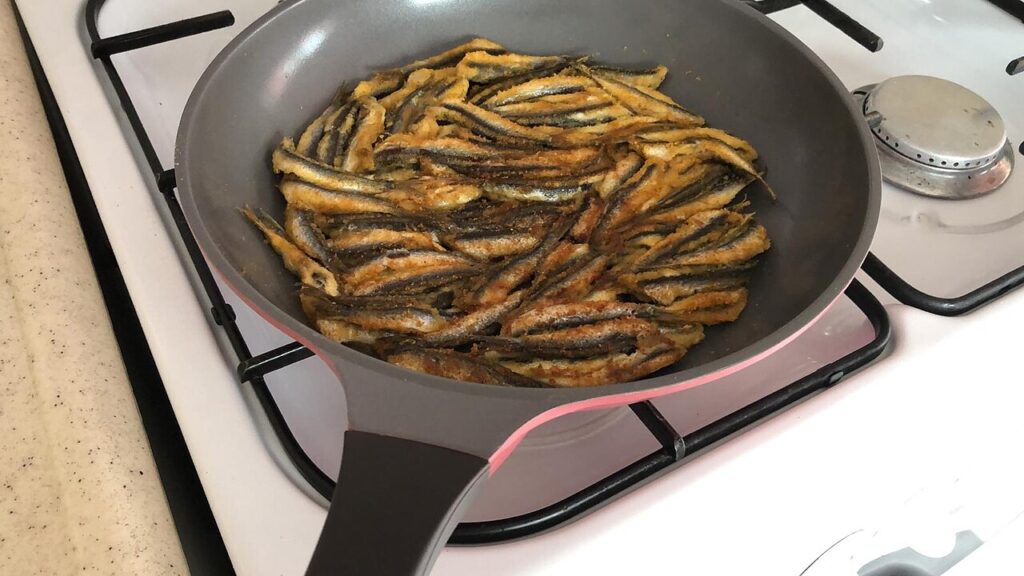
Eat the winter food. The winter is the season of the region’s comfort food: the muhlama, the soups, the stews, and the hamsi of the season, eaten in the warm restaurants of the city and the towns.
The high country. The yayla roads close with the deep snow, but the lower walks and the viewpoints of the valley reward the winter visitor who can reach them.

What to Pack
- Serious winter clothes. The valley is genuinely cold — a warm, insulated coat, layers, a hat, gloves, and a scarf are the essentials.
- Waterproof and warm footwear. The snow and the slush demand warm, waterproof boots.
- A camera. The winter light over the snow and the monastery is the season’s gift.
- Chains or a 4×4 for the driving. The mountain roads can be icy and snow-covered — plan the driving carefully.
- Travel insurance and flexible plans. With the weather and the possible closures, flexibility matters more in winter than in any other season.
The Practical Realities
- Check the monastery’s status. The winter access is weather-dependent — check the current opening status before you commit, and have a plan B for a closure.
- Check the weather and the roads. The snow can close the mountain roads — check the forecast and the conditions, and consider whether the driving is worth it.
- Base yourself in Trabzon. The city is the practical winter base — the accommodation, the restaurants, and the sights are all open, and the monastery is the day trip when the conditions allow.
- Expect some closures. The valley’s seasonal facilities and the high country close with the winter. Plan around what is open.
- Prices drop steeply. Winter accommodation is dramatically cheaper than the summer — and the region is yours when the conditions allow.
Who Should Visit in Winter
Winter Sumela suits: photographers (the snow, the light, and the monastery above the white valley), travelers who accept the uncertainty and plan flexibly, and anyone who wants the great sight at its most dramatic.
Winter Sumela does not suit: travelers who need certainty — the winter access can close with the weather — or anyone who dislikes the cold and the uncertain mountain driving. For those, the shoulder seasons are the honest answer.
The Winter Itinerary
A winter day in the region builds itself around the cold and the conditions. The morning begins in Trabzon, warm and well-fed — the breakfast of the hotel, the news of the weather and the roads, and the decision made over the tea. If the monastery is open and the roads are clear, the drive up the valley becomes the day’s centerpiece: the snow on the forest, the first view of the cliff, and the great site above the white world. If the weather has closed it, the day turns to the city and the valley: the old town, the churches, the snow walk along the Altındere with the views of the cliff, and the warm restaurants with the winter food. And the evening returns to the city — the famous bread, the fish, and the hamsi of the season, with the day’s photographs and the plan for tomorrow. The winter rhythm is the rhythm of the conditions: prepared, flexible, and warmed by the food and the fire of the region.
The Takeaway
Winter Sumela is the great sight at its most dramatic: the monastery on its cliff above a snow-covered valley, with the crowds gone and the light low and beautiful. It is also the most uncertain season — the weather and the snow can close the access, and the visit demands preparation and flexibility. But for the traveler who comes ready — equipped for the winter, based in Trabzon, and ready to adjust — the reward is the monastery at its most spectacular, and the region’s winter at its most beautiful.
Frequently asked questions
Is Sumela open in winter?
It depends on the weather — the site can be open on the clear days and closed on the snowy ones. Check the current status before you go, and have a plan B.
Is it very cold at Sumela in winter?
Yes — it is a high mountain valley, with daytime highs around freezing and nights well below. Proper winter clothes are essential.
Can you drive to Sumela in winter?
The valley is reachable when the roads are cleared, but the mountain roads need care — check the conditions, and consider chains or a 4×4.
What should I do if the monastery is closed?
Base yourself in Trabzon and explore the city — the old town, the churches, and the food are all open, and the valley walk gives the views of the cliff regardless.
What should I pack for Sumela in winter?
Serious winter clothes, warm waterproof boots, a camera, and the equipment for careful winter driving.
Is winter a good time to visit Sumela?
Yes, for the right traveler — the snow, the light, and the monastery above the white valley are extraordinary — but only if the flexibility for the weather and the possible closures is built in.

All Over Information
The All Over Information editorial team researches and writes practical English-language guides to Turkey. Facts are checked against official and local sources before publication, prices are published as dated ranges rather than quotes, and guides are revised when things change. We accept no sponsored posts, paid placements or paid links.
More guides like this

Best Local Restaurants in Sumela
Sumela is a monastery in a forested valley, so the food scene is not the point of the visit — but the…

Sumela on a Budget: Money-Saving Travel Tips
Sumela is one of Turkey's great sights, and a visit to it does not have to be expensive — the monastery itself…
Sumela in Summer: A Complete Travel Guide
Summer is Sumela at its fullest — the monastery at its most accessible, the valley at its greenest, and the region drawing…
A First-Timer’s Guide to Sumela
The Monastery of Sumela is one of the great sights of Turkey — and one of the most extraordinary settings in the…
A Solo Traveler’s Guide to Sumela
Sumela is a destination that suits the solo traveler beautifully, and it works on both of the solo registers at once.

Sumela Airport and Transport Guide
Getting to Sumela is straightforward once you know the pattern: there is no airport at the monastery, and every route into it…