Sumela is a monastery in a forested valley — not a food destination in itself — but the region around it is one of the most distinctive tables in Turkey, and for the food traveler it is part of the reason to come. The eastern Black Sea has a cuisine that almost nothing else in Turkey resembles: the fish of the coast, the hamsi (anchovies) of the winter season, the muhlama (melted cornmeal, butter, and cheese), the corn breads, and above all the famous Trabzon bread — the huge, crusty loaf of the region, baked in wood-fired ovens and celebrated across the country. The settings are part of the meal: the valley cafés beside the stream with the monastery on the cliff, and the city of Trabzon with its waterfront and its working tables. This guide is for the food lover who wants to eat the region around Sumela properly — the dishes, the places, the seasons, and the practical details.
The Eastern Black Sea Table: A Cuisine Apart
The food of the region is defined by its geography: a wet, green coast backed by high mountains, with a cool fish-rich sea, mountain streams, and hills that grow corn, hazelnuts, and tea. The cuisine that grew from it is built on:
- The fish of the Black Sea — the hamsi above all, with the sea bass, the trout of the streams, and the seasonal catches.
- The bread — the famous Trabzon bread, the huge, crusty loaf of the region, at its best fresh from the wood-fired ovens.
- The corn culture — the corn breads and the corn-based dishes that the region’s farming produced.
- The cheese and the produce of the highlands — the local cheeses, the butter, the honey, and the hazelnuts.
For a food traveler, this is territory that the rest of Turkey cannot offer, and Trabzon and its region are its gateway.

The Essential Dishes of the Region
The Trabzon bread — vakfıkebir. The region’s great food claim: the huge, dark, crackling-crusted loaf, soft within, baked in wood-fired ovens in the manner the Black Sea has followed for centuries. It is a bread of celebration and of daily life, and it is at its best fresh in Trabzon, torn apart at the table with the fish and the meze.
The fish of the Black Sea. The grilled fish of the coast — the sea bass, the trout of the streams, and the seasonal catches — served fresh and simply.
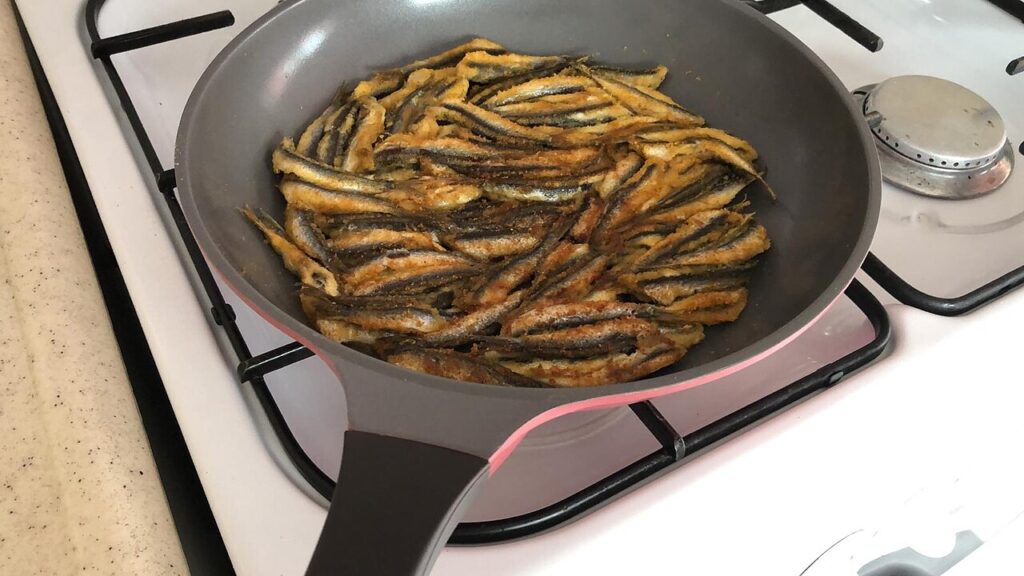
Hamsi — the anchovies. The region’s icon, small and silvery and delicious, served fried, in pilaf, and baked in cornbread. The winter is the season.
Muhlama. The Black Sea’s signature comfort dish — cornmeal, butter, and the region’s cheese, melted together into a rich, savory fondue. It is unlike anything else in Turkish cooking.
The corn breads. The region’s breads, made with corn, the partner to the fish and the meze.
The meze and the produce. The small plates of the Turkish table, done with the region’s own ingredients, and the produce of the high country.
The Places That Matter
The Valley Cafés: The Food of the Mountains
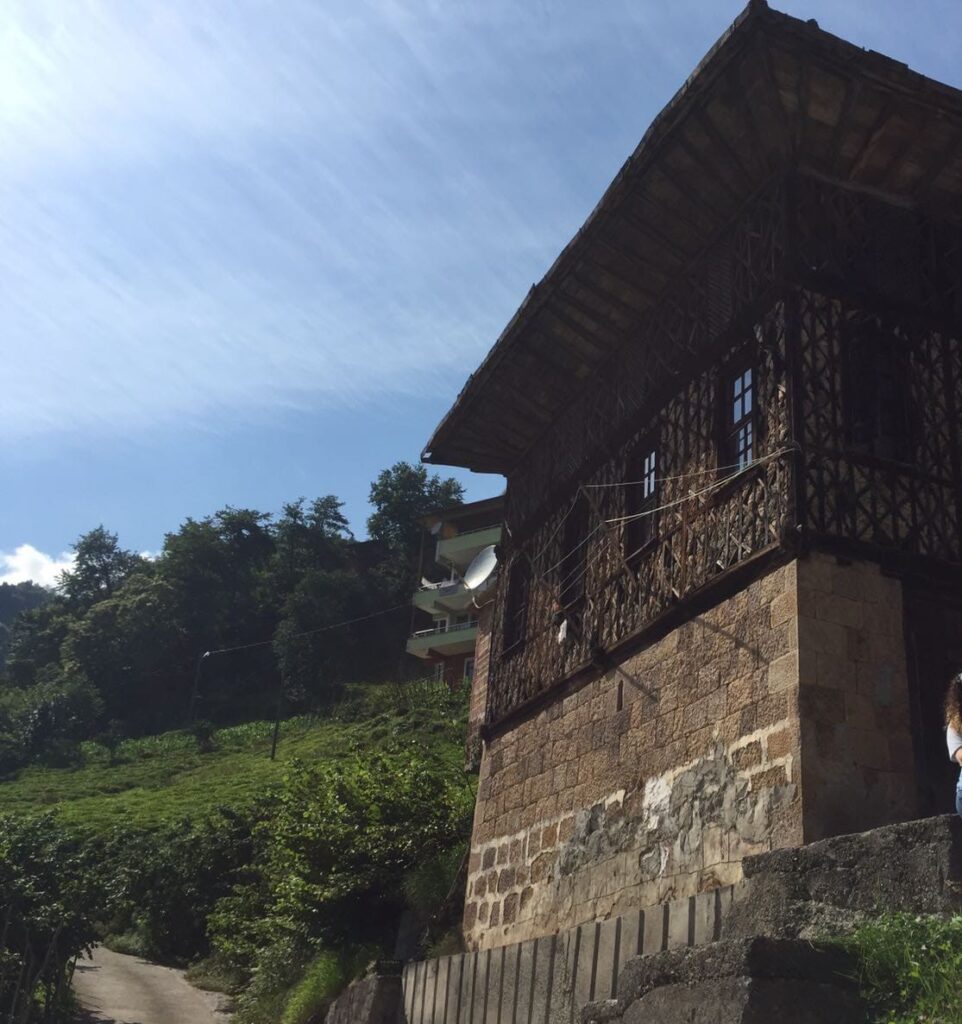
The approach to the monastery has simple cafés and restaurants serving the food of the high country — the gözleme, the corn bread, the çay, and the simple plates of the region — with the forest and the stream as the setting. For the foodie, these are the honest places for a meal between the monastery and the valley walks, with the setting free.
The Town Restaurants: The Local Table
The towns of the region — Maçka above all, on the road to the monastery — have the local restaurants where the region’s food is at its most honest: the meze, the grilled meats and the trout, the muhlama, and the corn breads, served to the working diners of the towns. For the foodie, these are the places to follow for the real cooking of the region.
Trabzon: The Region’s Food Capital
Trabzon, an hour from the monastery, is where the region’s food is at its fullest. The city’s table includes the famous bread, the fish of the Black Sea, the hamsi in season, the muhlama, and the full range of the regional food — and the city’s restaurants, from the waterfront fish places to the local eateries, serve it all. For the foodie, the city is the essential stop: the bread fresh from the oven, the fish of the day, and the full table of the region.
The Story of the Bread
The Trabzon bread deserves its own note, because it is the region’s great food story. The vakfıkebir is no ordinary loaf: it is huge, often the size of a cartwheel, with a thick, dark, crackling crust and a soft interior, baked in wood-fired ovens in the manner the region has followed for centuries. It is a bread of celebration and of daily life, and its reputation has spread across Turkey — yet it is at its best in Trabzon itself, fresh from the oven, torn apart at the table with the fish and the meze. For the food traveler, the bread is the taste of the region in its most essential form: the Black Sea’s grain, its fire, and its craft, in a single enormous, magnificent loaf.

Seasonal Eating in the Region
The region’s food follows the Black Sea’s own calendar, and eating in season is the smartest thing a foodie can do:
- Winter: the hamsi season — the anchovies run, and the restaurants fill with the hamsi in its many forms. This is the foodie’s season.
- Spring: the fresh produce of the hills and the early fish.
- Summer: the fullest tables and the long waterfront evenings in Trabzon.
- Autumn: the mists, the golden light, and the muhlama and the comfort food of the region as the weather turns.
The Foodie’s Practical Playbook
- Eat the bread in Trabzon. The vakfıkebir is the region’s essential food experience — fresh, warm, and crusty, it is the taste of the city.
- Ask what is fresh. The fish and the trout are at their best from the day’s catch — ask what came in and let that decide the meal.
- Come in the hamsi season if you can. The winter anchovy run is the region’s great culinary celebration.
- Try the muhlama. It is the Black Sea’s signature comfort dish, and you cannot get it done properly anywhere else in Turkey.
- Follow the local diners. The town restaurants busy with the working diners are the genuine ones.
- Carry cash. The small places and the cafés prefer lira.
- Take the settings. The valley cafés with the stream and the monastery, and the city restaurants with the sea — the settings are part of the meal.
A Food Day Around Sumela
- Morning: the monastery and the valley, with a çay and the corn bread at a valley café.
- Midday: the local table in the towns — the meze, the muhlama, and the trout.
- Evening: Trabzon — the famous bread, the fish of the day, and the regional food, with the city’s waterfront as the setting.
The Takeaway
A foodie’s guide to Sumela is a guide to a cuisine that almost no other corner of Turkey shares: the famous bread of Trabzon, the fish of the Black Sea, the hamsi of the winter season, the muhlama and the corn breads — served in the settings of the region, from the valley cafés under the monastery to the city’s waterfront tables. Eat the bread fresh, try the muhlama, follow the local diners, and let the region’s food complete the Sumela experience — the monastery on its cliff, and the table of the Black Sea beneath it. It will feed you the way the Black Sea has always fed its people — simply, warmly, and in a style you will find nowhere else.
Frequently asked questions
Is the region around Sumela a good destination for food lovers?
Yes — it is the gateway to the eastern Black Sea’s table, one of the most distinctive and least known cuisines in Turkey, and the food is part of the full Sumela experience.
What is the must-eat dish of the region?
The Trabzon bread (vakfıkebir) — the huge, crusty loaf of the city — along with the fish of the Black Sea and the muhlama.
What is muhlama?
A Black Sea specialty of melted cornmeal, butter, and cheese — rich, savory, and unlike anything else in Turkish cooking.
When is the best time to eat the hamsi?
In the winter, roughly November through February, when the anchovies run.
Can vegetarians eat well in the region?
Yes, though the region is fish-centric — the muhlama, the corn breads, the meze, and the local cheeses give vegetarians good options.
Should I make the trip to Trabzon for the food?
Yes — the city is the region’s food capital, and the bread, the fish, and the full range of the Black Sea table are worth the hour’s drive.

All Over Information
The All Over Information editorial team researches and writes practical English-language guides to Turkey. Facts are checked against official and local sources before publication, prices are published as dated ranges rather than quotes, and guides are revised when things change. We accept no sponsored posts, paid placements or paid links.
More guides like this

Shopping Guide: What to Buy in Sumela
Sumela is a monastery in a forested valley — not a shopping destination — but the region around it is the eastern…

Sumela Airport and Transport Guide
Getting to Sumela is straightforward once you know the pattern: there is no airport at the monastery, and every route into it…

Best Time of Year to Visit Sumela
Sumela is a destination of seasons, and the season you choose changes the character of the visit — and even whether the…
Nightlife Guide to Sumela
Let's be clear about what nightlife means around Sumela, because the monastery and its valley have nothing to do with neon, DJs,…
Sumela in Winter: What to Expect
Winter is Sumela at its most dramatic — and its most uncertain.
A First-Timer’s Guide to Sumela
The Monastery of Sumela is one of the great sights of Turkey — and one of the most extraordinary settings in the…