Kunefe: A Taste of Turkish Culture
Some desserts are eaten. Kunefe is watched.

Some desserts are eaten. Kunefe is watched.
The meze platter is where Turkish culture sits down at the table. It is a spread of small dishes that demands sharing, patience, and conversation, and it turns eating into an evening-long ritual.
Ayran is more than a drink in Turkey; it is a daily ritual, a badge of identity, and one of the oldest tastes on the Turkish table.
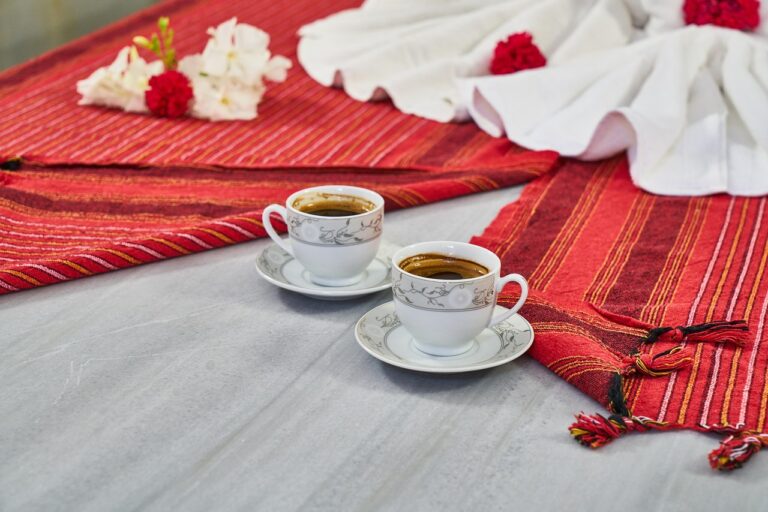
No single food or drink carries the weight of Turkish culture like a cup of Turkish coffee.

Turkish tea is not simply a beverage; it is the rhythm of daily life, the language of hospitality, and the backdrop of every conversation in the country.
Pilav is the grain of Turkish daily life, the quiet constant of every table.
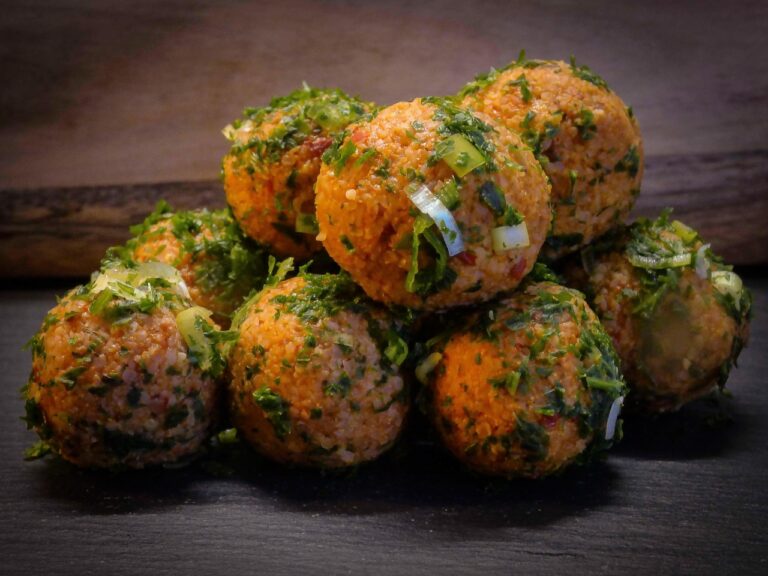
Kofte is more than a meal in Turkey; it is a national habit, a memory of childhood, a measure of hospitality, and a point of regional pride.
In Turkey, borek is not merely food. It is a language of hospitality, a marker of morning, a memory of grandmothers, and a thread that ties the whole country together.
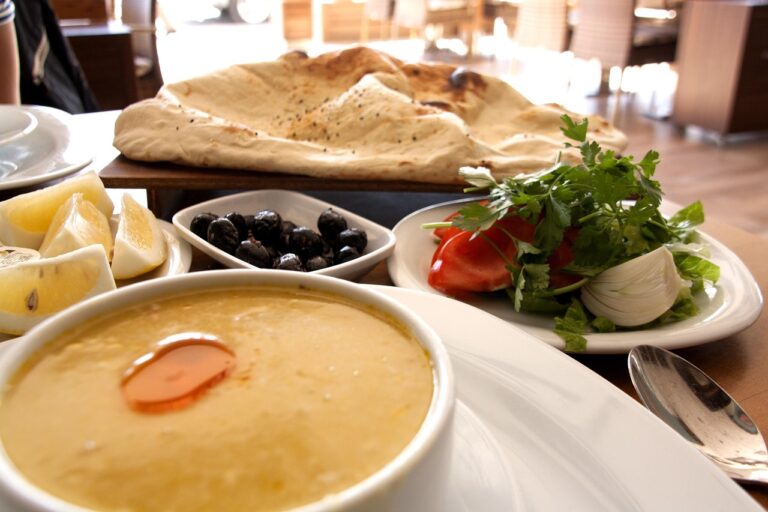
Pide is more than a boat-shaped bread with a filling; it is one of the most social foods of Turkey. It is the dish of the family table, the craft of the neighborhood oven, and the smell that draws people together.

Lahmacun is more than a thin flatbread with a meat topping; it is one of the great social foods of Turkey.
Manti are more than a dish in Turkey; they are a thread running through family life, hospitality, and the country’s memory of home.
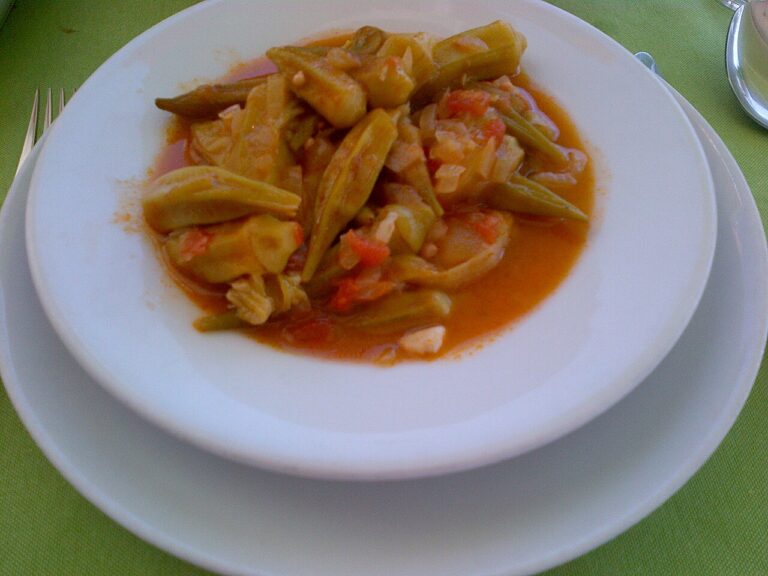
Iskender kebab is more than a meal; it is a piece of Turkish identity, born in Bursa and carried across the country as a symbol of pride and craftsmanship.
We use cookies
Necessary cookies keep this site working. With your permission we also use cookies for analytics and advertising, which is how the site is funded. You can change your mind at any time. Cookie policy · Privacy policy