Stuffed Grape Leaves (Dolma): A Taste of Turkish Culture
Some dishes are meals, and some are conversations, and dolma belongs to the second kind.

Some dishes are meals, and some are conversations, and dolma belongs to the second kind.

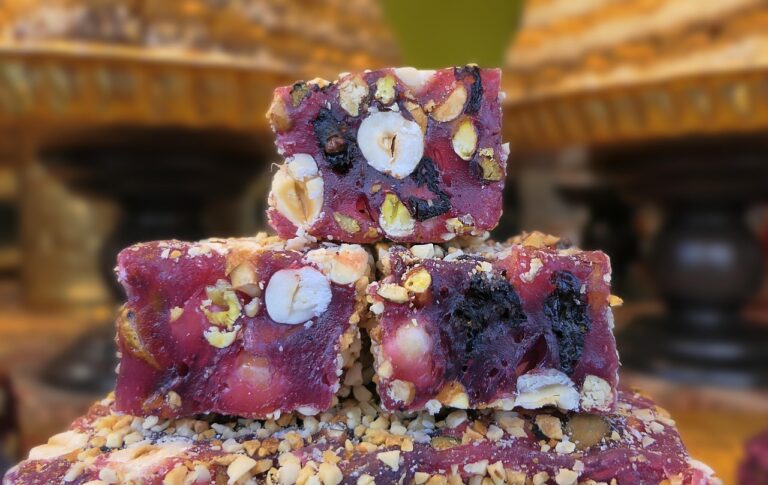
You can read a great deal about Turkey from its pastries.
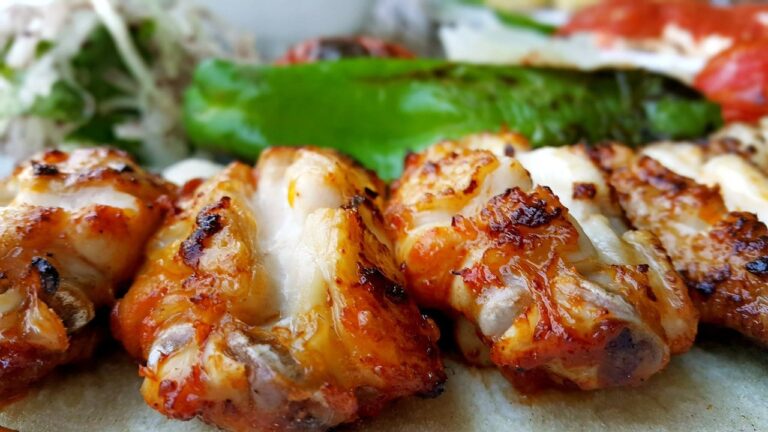
Food is the quickest way into a culture, and in Şanlıurfa no dish opens more doors than the kebab that bears the city’s name.
Some dishes are food; a few are identity. Adana kebab is the second kind.

There are grander desserts in Turkey, and there are sweeter ones, but there is no dessert more beloved than sutlac.

To eat dondurma in Turkey is to take part in a ritual. The vendor flips and stretches the ice cream on his long pole, the customer reaches and misses, the crowd laughs, and the cone finally changes hands.
There is a smell that carries the whole of rural Turkey: the smell of dough hitting a hot griddle, of the thin bread blistering and browning over the fire.
Balik ekmek is not just the most famous sandwich in Turkey; it is a ritual of the waterfront that connects the city to its sea.

No Turkish street food sounds quite like midye dolma. There is the hiss of the steaming pot, the tap of the vendor’s knife, and the small collective gasp of people squeezing lemon into hot shells.
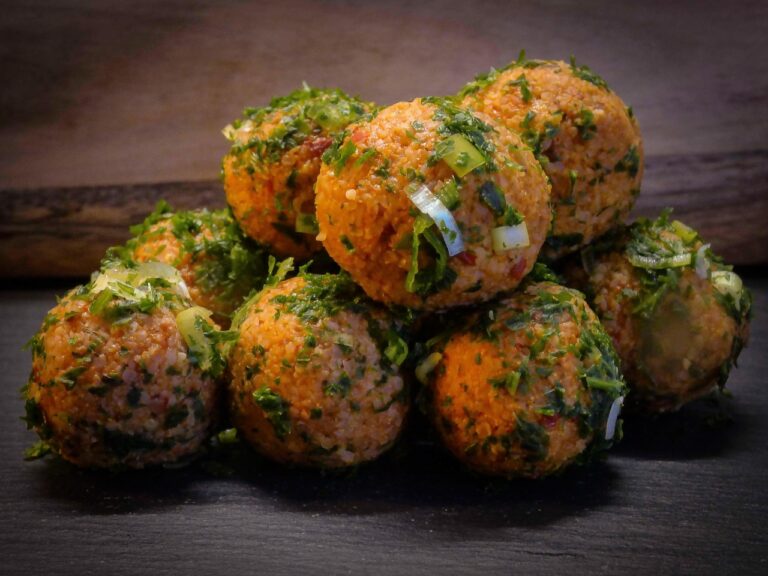
Cig kofte is the kind of dish that tells you more about a place than any monument.
Most Turkish dishes arrive at the table quietly. Testi kebab does not. It arrives inside a sealed clay pot, and the first thing you hear is the tap of the hammer and the crack of the pottery.
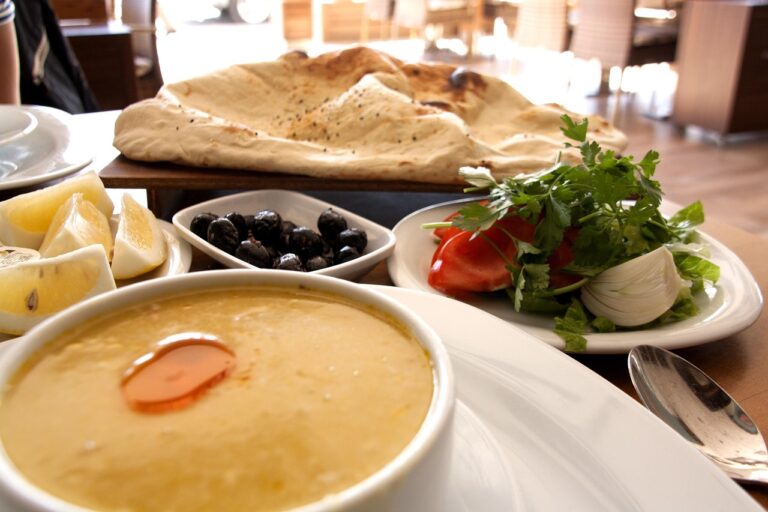
There is a moment in every Turkish breakfast when the table is fully loaded and the first tea is poured, and the room simply gets quiet. This is kahvalti, the meal Turks defend more fiercely than any other.
We use cookies
Necessary cookies keep this site working. With your permission we also use cookies for analytics and advertising, which is how the site is funded. You can change your mind at any time. Cookie policy · Privacy policy