The Goksu Delta is a natural wonder that most travelers to Turkey never see, and that is precisely what makes it so special. On the Mediterranean coast of Mersin province, where the Goksu River spills into the sea, lies a vast wetland of lagoons, reed beds, sandbars, and beaches that shelters some of the most important bird and sea turtle populations in the eastern Mediterranean. It is a flat, wild, and luminous landscape, and this article explores why this quiet corner of the coast deserves its place among Turkey’s greatest natural treasures.
A Rare Wilderness on the Turkish Coast
The coast of Turkey is famous for its beaches, its resorts, and its ancient harbors, but the Goksu Delta is something else entirely: a wild wetland where the land and the sea blur into each other.
Here, where the Goksu River meets the Mediterranean near the town of Silifke, the river has built a wide fan of silt and sand, and the water spreads into lagoons and marshes instead of rushing straight to the sea.
This is a landscape of openness and light, where the sky seems enormous and the horizon is broken only by the occasional reed bed or sand dune. It is the opposite of the crowded coast, and its emptiness is its beauty.
For the traveler who loves wild places, the delta is a revelation: a genuine wilderness, within an hour of major cities, where the natural world still runs its ancient cycles undisturbed.
The River That Builds the Delta
The Goksu River is the architect of this landscape. It rises in the high mountains of the Taurus, gathers the waters of the central plateau, and carries them south to the Mediterranean.
For thousands of years, the river has delivered silt to the coast, and that silt has built the delta: a flat plain of fertile soil, lagoons, and sandbars, pushing slowly out into the sea.
The river gives the delta its water, its shape, and its life. It feeds the lagoons, waters the farmland, and carries the nutrients that make the wetland so productive.
The river also gives the delta its character: a place that is always being remade. The channels shift, the sandbars move, and the shoreline changes with every storm, so that the delta is never quite the same twice.

The Lagoons: Akgol and Paradeniz
The heart of the delta is its two great lagoons, and they are its most beautiful features. Akgol, the white lake, is the largest, a broad expanse of shallow water fringed with dense reed beds.
Akgol is the delta’s bird capital. Its shallow waters and rich reed beds support nesting colonies of herons, egrets, and other waterbirds, and its surface is often covered with flocks at rest.
Paradeniz, the half sea, lies close to the Mediterranean, separated from it by a narrow sandbar. A channel connects it to the sea, so its waters are saltier, and it is a favorite of fish, birds, and fishermen.
The two lagoons, fresh and salt, reed-fringed and open, give the delta its double character. Together they are the water heart of the wetland, the reason for all the life around them.
A Bird Paradise of National Importance
The birds of the Goksu Delta are its greatest wonder, and they are the reason the wetland is protected as one of the most important bird areas in Turkey. The list of species found here runs into the hundreds.
In spring and summer, the delta is a breeding ground for herons, egrets, spoonbills, and many other waterbirds, which nest in colonies in the reed beds and on the islands of the lagoons.
In autumn and spring, the delta lies on the great migration route between Europe and Africa, and huge numbers of birds pass through, stopping to feed and rest on their long journeys.
In winter, the lagoons hold thousands of ducks, geese, and other waterfowl, and the delta becomes one of the great winter refuges of the eastern Mediterranean. At every season, the delta is full of wings.
Turtles and the Summer Beaches
The delta’s beaches hold a second, quieter wonder: they are among the most important sea turtle nesting sites in the Mediterranean. Loggerhead and green turtles return here every summer to lay their eggs.
The nesting season runs through the warm months. At night, the female turtles crawl up the beaches, dig their nests above the high-water line, and lay their eggs before returning to the sea.
Weeks later, the hatchlings emerge and make their dangerous dash to the water, guided by the light on the sea. It is one of the oldest and most moving dramas in the natural world.
The nesting beaches are protected and monitored, and their survival depends on the care of everyone who uses them. To know that these ancient creatures still depend on this shore is part of the delta’s wonder.
The Reed Beds and Their Hidden Life
The reed beds of the delta are a world of their own, a dense green jungle at the water’s edge that shelters some of the most secretive wildlife in Turkey.
Within the reeds nest herons, bitterns, warblers, and rails, birds that are far more often heard than seen. Their calls, clicks, and rustlings are the soundtrack of the lagoons.
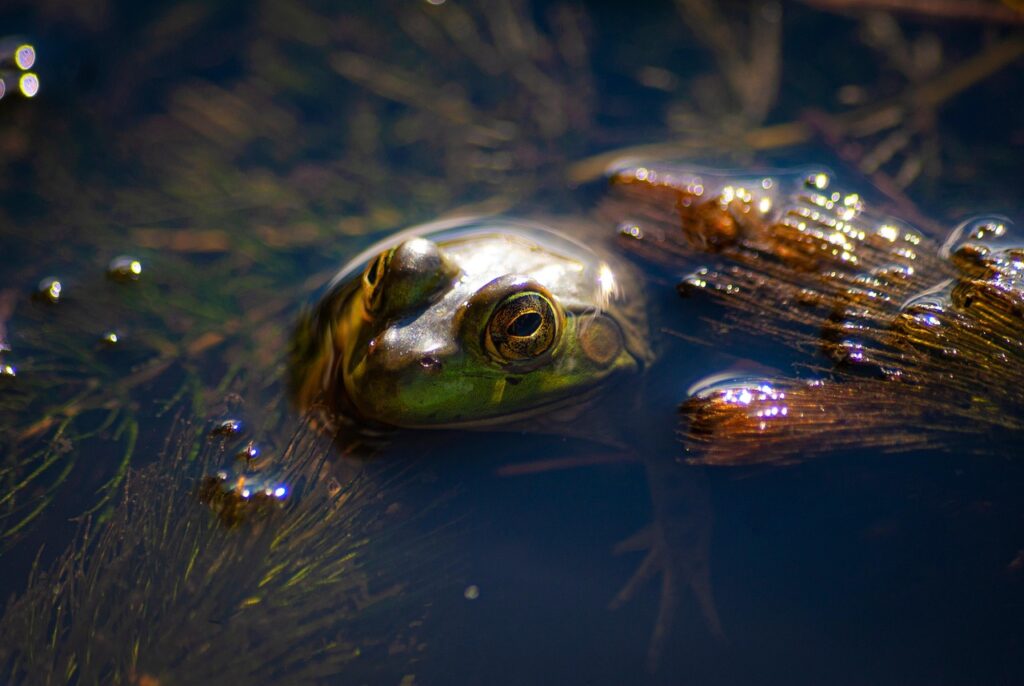
The reed beds also shelter the smaller life of the wetland: insects, frogs, turtles, and the fish that move through the shallows. Every stem and pool is part of a web of life.
For the visitor, the reed beds are a place of mystery and patience. To sit quietly at their edge, listening and watching, is to glimpse a world that most people never know exists.

The Sandbars and the Shifting Shore
The seaward edge of the delta is a landscape of sandbars, dunes, and beaches, built by the waves and remade by every storm. It is the most dynamic part of the wetland.
The long sandbar that separates Paradeniz from the Mediterranean is the delta’s great natural wall, holding back the sea. Its beaches are the nesting grounds of the turtles in summer.
Beyond the sandbars, the beaches run for kilometres along the Mediterranean, wild and empty, with the blue sea on one side and the lagoons on the other.
Walking these shores, with the sea on one side and the wetland on the other, is one of the great experiences of the delta. It is a place where you can feel the land being made.
The People of the Delta
The delta is not empty of human life; it is a working landscape, shaped and lived in for centuries. The villages on its edges are home to fishermen, farmers, and shepherds.
The fishermen work the lagoons and the sea, and their boats and nets are part of the delta’s scenery. The lagoons are among the most productive waters of the coast.
The farmers grow citrus, vegetables, and grain on the fertile delta soil, and their fields border the reed beds. The river that built the land also waters it.
The people of the delta live in rhythm with the wetland, and they are its custodians. Their way of life, and the delta itself, are bound together, and both are worth understanding and respecting.

The Delta Through the Seasons
The delta has a rhythm of seasons that is as regular as the tides. In spring, the wetland wakes: birds nest, the reed beds green, and the lagoons fill with the sound of life.
Summer is the season of heat and turtles. The lagoons shrink, the birds gather around the remaining water, and the beaches become nurseries for the hatchlings.
Autumn brings the migrants, and the delta fills with birds from the north on their way south. It is also the season of harvest, when the fields around the wetland give their yield.
Winter turns the delta quiet and vast. The waterfowl arrive in thousands, the reed beds stand brown and still, and the wetland rests before the cycle begins again.
Why the Delta Matters
The Goksu Delta matters because it is one of the last great wetlands of the Mediterranean coast, a place where the natural world still works as it has for millennia.
It matters because it is a refuge: for birds that travel between continents, for turtles that have nested here since before human memory, and for all the life that depends on this small patch of water and land.
It matters because it is rare. The wetlands of the Mediterranean have been drained, built on, and lost for centuries, and the Goksu Delta survives as a reminder of what the coast once was.
And it matters because it is beautiful. This flat, wild, luminous landscape, full of wings and water and light, is one of the great sights of Turkey for those who know where to look. That is what a natural wonder is.
Frequently asked questions
Why is the delta important for birds?
The delta is one of the most important wetlands in the eastern Mediterranean, a nesting site for herons, egrets, and many other waterbirds, and a crucial stopover for migratory birds moving between Europe and Africa. In winter it shelters thousands of waterfowl, making it valuable at every season.
When do the sea turtles come ashore?
The nesting season runs through the summer months, when female loggerhead and green turtles crawl ashore at night to lay their eggs. The hatchlings emerge weeks later and make their way to the sea. The nesting beaches are protected and marked, and visitors must keep them undisturbed.
Can visitors walk through the wetland?
Yes. The delta is crossed by tracks and dykes that make fine walking routes along the lagoons and the sandbars, and there are viewing points for birdwatching. Walking is easy on the flat ground, but visitors should stay on the paths to protect the nesting and feeding areas.

All Over Information
The All Over Information editorial team researches and writes practical English-language guides to Turkey. Facts are checked against official and local sources before publication, prices are published as dated ranges rather than quotes, and guides are revised when things change. We accept no sponsored posts, paid placements or paid links.
More guides like this

Turkey’s Renewable Energy Ambitions
Turkey has set itself an ambitious goal: to transform from a country heavily dependent on imported fossil fuels into a renewable energy…
Exploring the Kure Mountains National Park: A Complete Guide
The Kure Mountains National Park is Turkey's wild Black Sea forest: a protected expanse of ancient woodland, deep canyons, and cave systems…
Best Hiking Trails Around Yedigoller National Park
Yedigoller National Park may be famous for its seven lakes, but for walkers it is the trails that make the valley magic.
Exploring Koprulu Canyon: A Complete Guide
Koprulu Canyon is the adventure heart of Turkey's Mediterranean coast: a deep gorge carved by the Koprucay river in the Taurus Mountains,…

Turkey’s Environmental Conservation Efforts
Turkey is a country of extraordinary natural wealth, from Mediterranean beaches and Black Sea forests to highland lakes and vast wetlands, and…

Mount Ararat: Turkey’s Natural Wonder
Mount Ararat is the great natural landmark of eastern Turkey, a vast snow-crowned volcano that rises more than five thousand metres above…