Kofte is one of the oldest dishes still eaten in Turkey, a direct descendant of the first cooked meats of the ancient world. Its history runs from the meat-and-stone cooking of the earliest empires through the caravans of the Silk Road and into the palaces and street grills of today. Every era left its mark on the seasoned meatball, and this article traces the long journey of kofte to its place on the modern Turkish table. The dish has outlived every empire that carried it, and its story is written in the pots of every region of the country.
The Ancient Roots
The history of kofte begins with the simplest of human inventions: cutting meat small so it cooks quickly. The first ground and shaped meats appear in the earliest cooking cultures of the Middle East and Central Asia.
Clay tablets and ancient texts from Mesopotamia describe meat dishes that resemble kofte, seasoned and shaped and cooked in broth or over fire. The technique of pounding or chopping meat fine was well established thousands of years ago.
The word kofte itself is usually traced through Persian to the ancient Iranian world, where similar spiced meat dishes were already old when the first empires rose.
Cooking meat small had a practical genius: it stretched expensive meat, cooked fast over scarce fuel, and could be flavored with the few spices available. Those virtues made it last for millennia.
The Persian Connection
The Persian world is the great highway of kofte history. The classical Persian cookbook tradition, one of the richest in the medieval world, describes dozens of meat preparations that are recognizable ancestors of modern kofte.
Persian cuisine contributed the word and the concept of the spiced, shaped meatball, and its influence spread in every direction, west into Anatolia and the Arab world, and east toward India.
The kofte of the Persian tradition were often luxurious, seasoned with the expensive spices of the Silk Road and cooked in elaborate sauces for the tables of the great houses.
When the Turks arrived in the Persian-influenced world of the Middle East, they met a kofte tradition that was already ancient, and the meeting reshaped both worlds.

From the Arab World to Anatolia
The Arab world developed its own rich kofte tradition, and the medieval Arab cookbooks contain recipes for seasoned minced meat dishes that scholars recognize as ancestors of the modern versions.
Trade, pilgrimage, and conquest carried these recipes across the region. The routes that moved spices and silks also moved cooking techniques, and kofte traveled with them.
Anatolia, at the crossroads of these worlds, absorbed the traditions of its neighbors. The Turkish principalities that rose in the region inherited a kofte culture that blended Persian, Arab, and Turkic strands.
By the time the Ottoman state began its rise, the kofte of Anatolia was already a mature dish, ready to be carried into a new age of palaces and empires.
The Ottoman Kitchen
The Ottoman kitchen made kofte official. The palace kitchens of Istanbul, with their hundreds of cooks and their passion for culinary perfection, raised kofte from street food to court cuisine.
The palace records show elaborate kofte preparations, seasoned with the finest spices of the empire and served at the sultan’s table. The palace kitchen also standardized techniques that the city’s cooks then copied.
The Ottoman capital developed a kofte culture of its own, with kofte houses appearing to serve the growing city. The historic koftecis of Istanbul trace their lineage to this era.
The empire also spread kofte across its provinces, so the dish took root from the Balkans to the Arab provinces, becoming a shared food of a vast and diverse state.
The Kasap and the Street
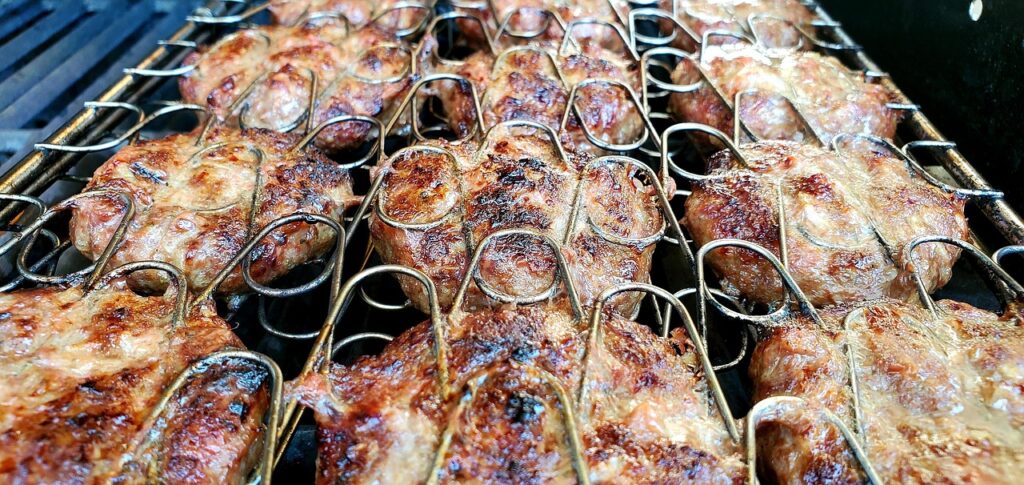
As the empire matured, the kofte tradition settled into the institutions that still serve it today. The kasap, the butcher, became the trusted maker of mince, and the kofteci, the kofte house, became the specialist cook.
These institutions democratized kofte. What had once been a palace luxury became the everyday food of the cities, grilled on charcoal and served on the street and in the shops.
The kofte houses of the Ottoman cities were social centers, where workers, traders, and travelers ate at the same counters. The tradition of the queue and the regular customer was born here.
By the nineteenth century, the great koftecis of Istanbul were established institutions, and the standards they set still define the dish today.
The Regional Evolution
As the empire spread kofte across its lands, each region adapted it to local taste. The Aegean developed the tomato-baked Izmir kofte, a product of the region’s love of the tomato after it arrived from the New World.
The southeast, at the crossroads of the spice trade, built its kofte on heat and bold seasoning. The Black Sea added garlic and herbs from the mountain pastures.
Central Anatolia kept the pure grilled form, while the cities developed their own house styles. The kofte map of Turkey today is the map of these regional adaptations.
Each regional kofte is a small chapter in the dish’s history, showing how a single idea can be reshaped by climate, trade, and taste over centuries.

The Modern Republic
The Turkish Republic inherited the kofte tradition and carried it into the modern era. The kofte houses of the big cities grew into institutions, and the dish remained the everyday food of millions.
The great population movements of the twentieth century, as people moved from villages to cities, carried the regional kofte styles with them. Istanbul today serves every regional version of the country.
Kofte also traveled abroad with Turkish communities, becoming one of the ambassadors of Turkish food in Europe and beyond. The kofteci appeared in the cities of the diaspora.
At home, the dish has kept its essentials unchanged: fresh meat, simple seasoning, hand shaping, and fire. The continuity is the point, and the recipe has outlasted empires.
Kofte as Cultural Heritage
In recent decades, kofte has been recognized not just as food but as heritage. Regional kofte styles have been celebrated as part of the cultural identity of their provinces.
Food writers and historians have traced the dish’s journey, connecting the modern kofte plate to the ancient meat preparations of Mesopotamia and the steppe.
The kofte festivals of the provinces celebrate this heritage with competitions and tastings, keeping the regional traditions alive and visible.
This recognition matters, because it protects the craft: the hand-kneading, the butcher’s mince, the charcoal fire, and the family recipes that no written book can fully capture.
A History Still Cooking
The history of kofte is not finished. The dish continues to evolve, with new regional styles emerging and old ones being rediscovered and celebrated.
The kofteci tradition survives and thrives, and the queues at the historic houses prove that the standards of a century ago still speak to modern diners.
The home kitchen keeps the deepest layer of the tradition, the family recipes passed from hand to hand, each generation adding its small mark.
When you eat kofte in Turkey, you are eating a dish that has fed the people of this region for thousands of years. The seasoning may have changed, but the idea, meat shaped by hand and cooked over fire, is as old as cooking itself.
The New World Ingredients
Kofte history has a surprising chapter in the Americas. The tomato, the pepper, and the potato, all New World plants, arrived in the Ottoman lands in the early modern period and transformed the dish.
The tomato created a whole new family of kofte dishes, most famously the oven-baked Izmir kofte with its rich sauce. Before the tomato, kofte was grilled or cooked in broth; after it, a sauced tradition was born.
The pepper added new dimensions of heat, especially in the southeast, where the local peppers became central to the kofte seasoning of Urfa and Gaziantep.
This chapter shows how the dish kept its identity while absorbing the world around it. Kofte is ancient, but it is also endlessly modern, adopting every good idea that comes its way.
Underneath all the history is a constant: fire. Kofte has been cooked over coals and open flames since the earliest times, and the charcoal grill is still the standard by which the dish is judged.
The grill culture connects modern kofte to its ancient ancestors more directly than any recipe. The sizzle, the smoke, and the char are the oldest parts of the experience.
This is why the kofteci tradition prizes the grill so highly, and why the smell of charcoal is inseparable from the taste of the dish in Turkish memory.
The continuity is remarkable: a cook shaping meat and laying it over the coals today is performing an act that has been performed on this land for thousands of years, and the only change is the seasoning on the table.
The paper trail of kofte history is rich. Ottoman palace records list kofte among the dishes served at court, and the cookbooks of the era give recipes that a modern cook would recognize at once.
The medieval Arab and Persian cookbooks that survive describe seasoned minced meat dishes that scholars have connected directly to the modern kofte family.
Even the travel accounts of the era mention the grilled meat of the region, letting historians trace where the dish was eaten and how it was made.
For the curious traveler, this archive adds a layer to every meal. The kofte on the plate is not just dinner; it is the endpoint of a written and unwritten history that stretches back to the first cooks who shaped meat by hand.
Frequently asked questions
Where does the word kofte come from?
The word kofte is usually traced through Persian, and related words appear across the Middle East, the Balkans, and Central Asia. The dish itself is far older than the name, with shaped, seasoned meat preparations appearing in the ancient cooking cultures of Mesopotamia and the Iranian world.
How did kofte spread across the world?
Trade, conquest, and migration carried kofte in every direction. The Ottoman Empire spread it across the Balkans and the Middle East, Persian influence carried it east and west, and modern Turkish migration carried it to Europe and beyond.
Is kofte an Ottoman dish?
Kofte is much older than the Ottoman Empire, but the Ottomans perfected and spread it. The palace kitchens raised it to court cuisine, the cities built the kofte house tradition, and the empire carried the dish to every province, where it became the shared food of a vast state.

All Over Information
The All Over Information editorial team researches and writes practical English-language guides to Turkey. Facts are checked against official and local sources before publication, prices are published as dated ranges rather than quotes, and guides are revised when things change. We accept no sponsored posts, paid placements or paid links.
More guides like this

How to Make Authentic Turkish Delight (Lokum) at Home
Making lokum at home is a small adventure in patience, but the reward is a tray of soft, fragrant Turkish delight that…

Where to Find the Best Gozleme in Turkey
Gozleme is the great equalizer of Turkish street food: a thin, griddled flatbread stuffed with cheese, spinach, potatoes, or minced meat, cooked…
Turkish Delight (Lokum): A Taste of Turkish Culture
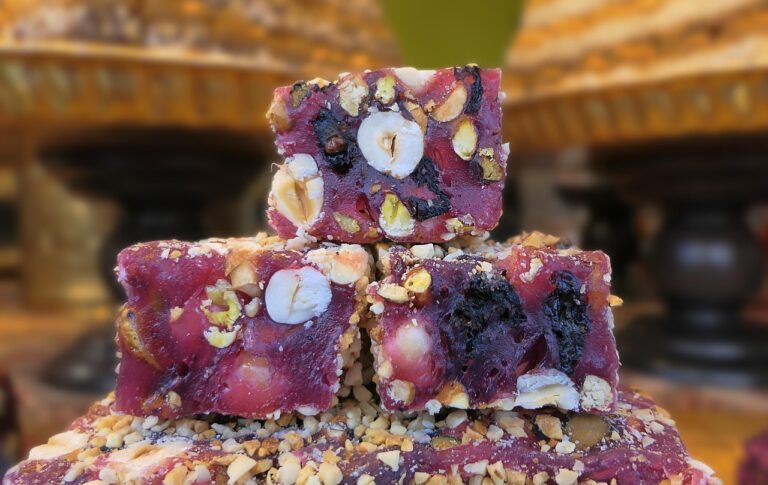
Turkish delight is a sweet that has traveled the world, yet it remains deeply rooted in Turkish daily life. In Turkey it…

The Ultimate Guide to Baklava
Baklava is the jewel of the Turkish dessert table, a symphony of paper-thin pastry, sweet nuts, and golden syrup that has delighted…

A Guide to Turkish Coffee Culture and Fortune Telling
Turkish coffee is far more than a drink; it is a ceremony, a social ritual, and a window into a culture that…
Where to Find the Best Kumpir (Stuffed Baked Potato) in Turkey
Kumpir is a dish with a single undisputed capital: the Ortakoy waterfront in Istanbul, where rows of stands turn out giant stuffed…