No meal in Turkey is more essential than the one eaten standing up on a busy street. Turkish street food is not a cheap imitation of restaurant cooking; it is a complete culture of its own, with its own icons, its own rhythms, and its own devoted crowds. From the morning simit to the late-night kokorec, the streets of Turkey feed millions of people every day. This guide introduces you to the classics of the pavement, the people who make them, and the rituals that surround them, so that you can eat like a local from your very first day.
The Heartbeat of Turkish Streets
Turkish street food is everywhere, and that is the point. In every city, at every hour, you will find carts, stalls, and tiny shops serving food to people on the move. Students, office workers, taxi drivers, and families all gather at the same counters, and the food is fast, fresh, and gloriously direct.
What makes it special is the craftsmanship. The simit baker, the fish sandwich griller, and the chestnut roaster are specialists, people who have done one thing for decades and do it better than anyone else. There is no menu, no pretense, just a single item made with total dedication.
This culture is also social. Eating on the street means standing shoulder to shoulder, exchanging nods with strangers, and sharing the moment. The street is the great equalizer, and the food brings everyone together, from the wealthiest tourist to the busiest local.
Simit, the Morning Icon
The day in Turkey begins with the simit, a golden ring of bread coated in sesame seeds. Vendors carry them on tall trays balanced on their heads, or wheel them through the streets in glass carts, and the smell of fresh simit pulls people out of their morning fog.
The simit is simple, but the simplicity is the genius. Crisp on the outside, soft within, with the nutty flavor of toasted sesame, it is the perfect vehicle for tea, white cheese, and a leisurely start. It is also astonishingly cheap, which is why it feeds everyone from schoolchildren to pensioners.
To eat it like a local, buy it warm, tear it apart with your hands, and dip it into a glass of Turkish tea. The combination is one of the great breakfasts of the world, and it costs almost nothing. Find the busiest simit cart, and you have found the best one.
The Balik Ekmek Tradition
Along the waterfronts, especially in Istanbul, the balik ekmek, the fish sandwich, rules. Grilled mackerel is slipped into a crusty half loaf of bread with onions, lettuce, and a squeeze of lemon, and it is eaten by the water with salt spray in the air.
The tradition is connected to the fishing boats themselves. In some harbors, the vendors grill the fish right on the boats, and you can watch your sandwich being made from catch to counter. There is nothing fancy about it, and that is exactly why it is beloved.
The sandwich is best eaten fresh and hot, with the fish flaking and the bread soaking up the juices. Add a sprinkle of salt and a squeeze of lemon, and you have one of the most memorable meals of any trip. It is simple, honest food that tastes of the sea.
Kokorec and the Late-Night Cravings
When the sun goes down, the kokorec stalls light their fires. Kokorec is spiced lamb intestines, wrapped around a skewer and roasted slowly, then chopped and stuffed into bread with tomato, herbs, and a touch of chili. It is one of Turkey’s most beloved late-night foods.
The preparation is a performance. The kokorecci, the kokorec master, turns the skewer, slices the crisp outer layer, and stuffs it into half a loaf with practiced speed. The aroma of roasting meat and spices draws a crowd that grows as the night goes on.
Kokorec is not for everyone, and that is fine; it is a food of the initiated. But if you are adventurous, it is a wonderful window into the nightlife of Turkish cities. The sandwiches are served hot, the chili is optional, and the experience is unforgettable.

Dondurma, the Playful Ice Cream
Turkish ice cream, dondurma, is famous for two things: its stretchy texture and its teasing vendors. Made with salep, the root of a wild orchid, it is thick and elastic, and the vendors use that quality to perform tricks, pulling the cone away just as you reach for it.
The show is part of the product. The dondurma seller spins, twirls, and teases, sometimes for minutes, before finally handing over the ice cream to a laughing crowd. Children adore it, and grown visitors find themselves grinning like kids.
Behind the play stands a genuinely special dessert. The texture is chewy, the flavors are rich, and the classic combinations of mastic and pistachio are unforgettable. The teasing is a tradition that turns buying ice cream into theater, and no visit is complete without the performance.
Lahmacun and Pide on the Go
Two more street classics deserve their place in your repertoire. Lahmacun is a thin, crispy round of dough topped with spiced minced meat, herbs, and tomato, rolled up with lettuce and a squeeze of lemon and eaten out of hand. Pide is a boat-shaped bread, baked with cheese, meat, or eggs and served straight from the oven.
Both are baked to order in stone ovens, and the smell is irresistible. The dough is the star: crisp at the edges, soft in the middle, and made fresh all day long. Watching the baker slide the rounds into the oven and pull them out moments later is part of the pleasure.
These are foods of speed and satisfaction. Lahmacun arrives in minutes, pide in a little longer, and both disappear quickly. They are the perfect lunch for travelers, cheap, delicious, and deeply rooted in Turkish kitchens.

Corn, Chestnuts and Seasonal Snacks
The streets also feed smaller cravings. In summer, vendors grill corn on the cob over charcoal, brushing it with salt, and in winter, they roast chestnuts in great black pans, filling the cold air with their sweet scent. Both are eaten by the handful, straight from the paper cone.
Other seasonal treats follow the calendar. In spring, wild greens and flowers appear in markets; in autumn, fresh walnuts and pomegranates take over. The street food culture is deeply tied to the seasons, and the vendors change their wares with the weather.
These small snacks are the connective tissue of street life. They are what you buy while waiting for the ferry, walking home, or strolling through a festival. They cost little, they taste of the season, and they make the streets of Turkey feel endlessly generous.
The Tea and Coffee That Fuel the Streets
No street food culture is complete without drink, and Turkey’s streets run on tea. The small, tulip-shaped glasses of çay are everywhere: in tea gardens, at vendor stalls, and delivered to shopkeepers by men balancing trays through traffic. The tea is strong, dark, and always served hot.
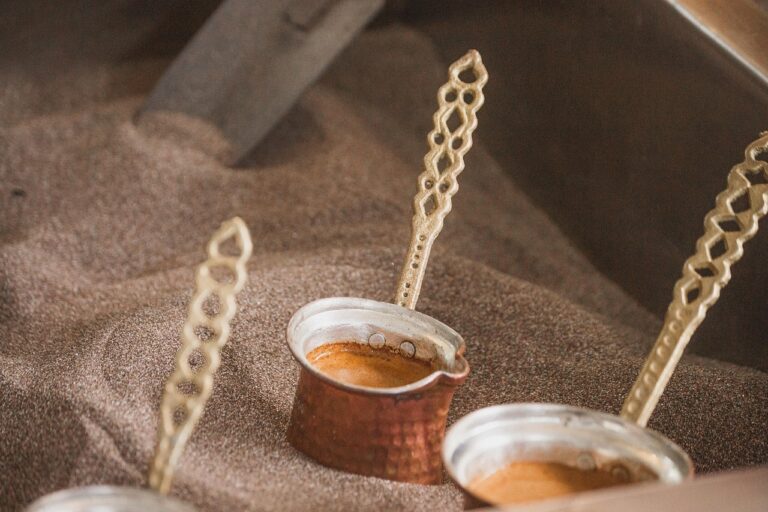
Turkish coffee plays a different role. Cooked slowly in a copper pot, served with foam and grounds, it is a ritual of conversation and fortune telling. The coffeehouses that surround the markets and squares are the natural habitat of this tradition.
Both drinks are social lubricants. You drink tea with a vendor you just met, coffee with friends, and both while talking about everything and nothing. For visitors, accepting a glass of tea is the simplest way into Turkish hospitality, and it tastes better on the street than anywhere else.

Hygiene, Trust and Craft on the Street
Visitors sometimes worry about eating on the street, but the rules of Turkish street food are simpler than they seem. Look for busy stalls with high turnover, because food that sells fast is food that is fresh. Watch how the vendor works, and trust your eyes.
The tradition depends on trust. The simit baker who has served the same corner for thirty years, the kokorec master known across the neighborhood, these reputations are built on consistency and cleanliness. A good vendor has nothing to hide and no reason to cut corners.
You will also notice the craftsmanship of the serving itself. The paper, the bread, the way the sandwich is wrapped, it is all designed for eating with your hands while standing. Once you trust the system, the street becomes one of the most reliable restaurants in the country.
Why Street Food Defines Turkish Daily Life
Street food is not a novelty in Turkey; it is the backbone of daily eating. Millions of people start their day with simit, lunch on lahmacun, and end the night with kokorec or a fish sandwich. The street kitchen feeds the nation, and it does so with an efficiency that restaurants cannot match.
The culture also reflects Turkish values. Generosity, because the portions are generous; freshness, because the food is made to order; and sociability, because the streets are where people meet. The food is the occasion, but the company is the point.
For travelers, embracing street food is the fastest way to understand the country. Every cart is a small doorway into daily life, and every bite connects you to the rhythms of the city. Eat where the locals eat, and Turkey will taste exactly the way it should.
Frequently asked questions
Is Turkish street food safe for tourists?
Yes, when you choose busy stalls where food is prepared fresh and sells quickly. High turnover means fresh ingredients, and the vendors take pride in their reputations. Use common sense, watch the preparation, and follow the crowds, and you will eat well and safely.
What is the most famous Turkish street food?
The simit is the most universal, sold on nearly every street corner from morning to evening. The fish sandwich, lahmacun, and kokorec are also icons in their own regions. There is no single answer, because Turkish street food culture is rich enough to have many famous faces.
When is the best time to eat street food?
Every hour has its specialties. Mornings belong to simit and tea, afternoons to lahmacun and pide, evenings to fish sandwiches, and late nights to kokorec. Seasonal snacks like corn and chestnuts follow the weather. Follow the local clock, and the street will feed you all day.

All Over Information
The All Over Information editorial team researches and writes practical English-language guides to Turkey. Facts are checked against official and local sources before publication, prices are published as dated ranges rather than quotes, and guides are revised when things change. We accept no sponsored posts, paid placements or paid links.
More guides like this

Turkish Social Hierarchies and Etiquette Explained for Foreigners
Turkish society is famously warm, but it also follows rules that can be hard to read at first. The family comes first,…

How the Turkish Republic Was Founded
The Republic of Turkey was not born in a single moment.

Gift-Giving Customs in Turkish Culture
Gift-giving in Turkey is a heartfelt ritual, and understanding it deepens every friendship you make here.
A Deep Dive into Turkish Social Hierarchies and Etiquette
Turkish society runs on a subtle system of respect that shapes every interaction, from greeting a shopkeeper to how a family dinner…

A Deep Dive into Respect for Elders in Turkish Culture
Respect for elders is often described as a Turkish value, but it is really a civilization in miniature: a thread connecting the…
Understanding Gift-Giving Customs in Turkey
Gift-giving in Turkey is not an occasional formality; it is a living language of relationships, gratitude, and respect that you will encounter…