If you are in Turkey during a holiday, you will notice that the whole country changes rhythm. The shops close, the streets fill with families, and the sweets and greetings flow freely. For a foreign visitor, these days can be both wonderful and puzzling. This guide explains the Turkish holidays you are most likely to encounter, what happens during them, and how you can join in with confidence. You will learn what to say, what to expect, and how to turn a holiday encounter into a warm cultural experience.
The Two Bayrams You Will Hear About
The most important holidays in Turkey are the two bayrams. Seker Bayrami, the Sugar Holiday, ends the fasting month of Ramadan and is a time of sweets and family visits. Kurban Bayrami, the Sacrifice Holiday, follows later and centers on sharing meat with family, neighbors, and those in need.
Both bayrams are official public holidays, and their dates move each year because they follow the lunar calendar. You will hear them discussed constantly in the weeks before, with plans for travel, food, and gifts taking over the national conversation.
For visitors, the bayrams mean two things: most businesses will close for several days, and you will be welcomed into a level of hospitality that is hard to find at any other time. Understanding the basics will help you plan and enjoy these special days.
How Ramadan Changes Daily Life
In the month of Ramadan, known as Ramazan in Turkey, Muslims fast from dawn until sunset. Daily life shifts: restaurants close during the day in many areas, work hours shorten, and the streets empty at sunset as families gather to break the fast, the iftar meal.
For visitors, the adjustments are simple. Eating and drinking in public during the day is best avoided out of respect, especially in conservative neighborhoods. In the evenings, the atmosphere transforms, with streets and squares filling for the iftar and the special foods of the month.
Ramadan is also a time of generosity. Charitable meals feed the poor, and the sense of community is strong. If you are invited to an iftar, accept; it is one of the most memorable experiences Turkey offers, and the food is magnificent.
What Happens on Bayram Morning
The first morning of the bayram begins early and quietly. Men and boys go to the mosque for a special prayer, while women prepare the house for the day’s visitors. When the prayer ends, the visiting begins, and the streets fill with families moving between homes.
The first visits are to the oldest family members, and the greeting is always warm: hands are shaken, cheeks are kissed, and sweets are offered. The children, dressed in their new clothes, begin their own rounds of the neighborhood, collecting candy and small gifts.
The whole day is built around these visits, and they continue for the duration of the holiday. If you are staying with Turkish friends, you will be included naturally. If you are not, you will still feel the warmth, because the bayram greeting extends to everyone.
The Custom of Kissing Hands
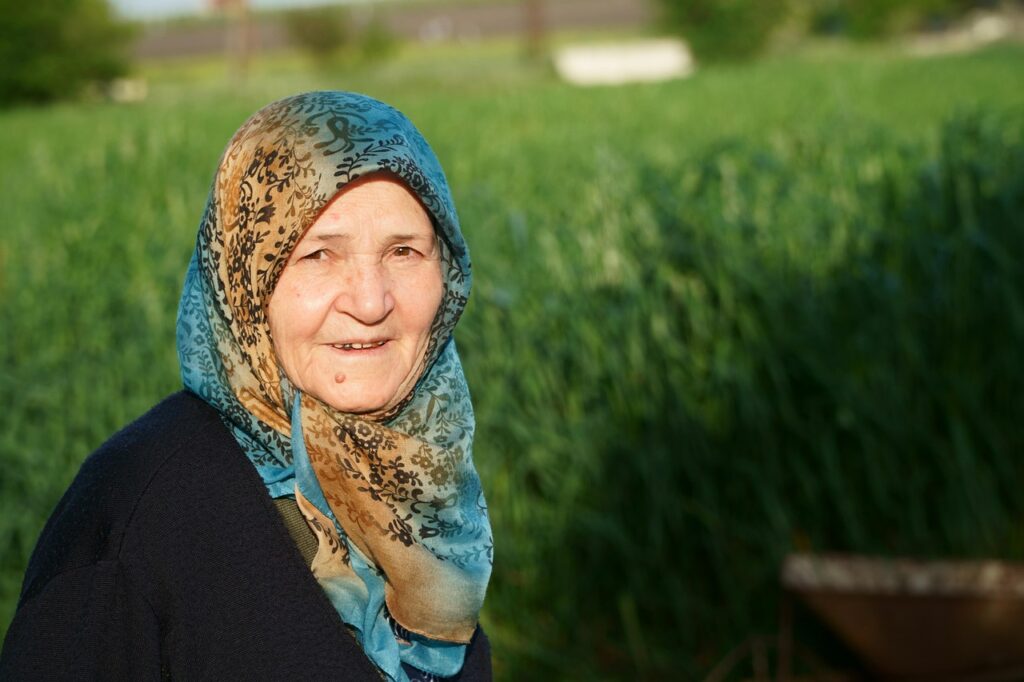
One of the most distinctive customs of the bayram is the hand kiss. Younger people take the hand of an elder, raise it to their lips, and touch it to their forehead, a gesture of deep respect. You will see it in every family gathering during the holidays.
Do not be alarmed if this happens around you. The hand kiss is a sign of honor for age and wisdom, and it is one of the most beautiful traditions of Turkish culture. Children perform it for grandparents, and adults perform it for their parents and elders.
As a visitor, you are not expected to perform the gesture, but you will certainly witness it. If you are offered a hand to kiss by a much older person in a formal setting, following their lead is the respectful choice. In most situations, a warm greeting and a smile are all that is needed.

Visiting Homes: What to Expect
If you are invited to a Turkish home during the bayram, you are in for a treat. The visit will begin with greetings, and you will be seated in the best place in the room. Within moments, tea and sweets will appear, and the hosts will insist you eat and drink plenty.
The conversation will be warm and curious. You will be asked about your country, your family, and your impressions of Turkey, and the questions are genuine. The hosts will take pride in your visit, and the atmosphere will be relaxed and generous.
When you leave, expect to be pressed with more food and more invitations. Turkish hospitality is legendary, and the bayram multiplies it. Accept what is offered, praise the food, and thank the hosts sincerely; your gratitude will be remembered warmly.
The Sweets You Will Be Offered
The Sugar Holiday lives up to its name. During the bayram, every home keeps bowls of sweets on the table: wrapped chocolates, Turkish delight, cookies, and baklava. Visitors are offered these constantly, and refusing is almost impossible.
The tradition of offering sweets is the origin of the holiday’s name, and it symbolizes the sweetness of the occasion. The bakeries are busiest in the days before, and the shops arrange their displays like treasure chests for the festival.
Accepting the sweets is part of the ritual. Even if you are not hungry, take one, taste it, and say how delicious it is. It is a small gesture that honors the hosts and their holiday, and it will make everyone at the table smile.

What to Say and How to Greet
Learning a few greetings will transform your holiday experience. The standard bayram greeting is Iyi bayramlar, meaning happy holidays, and it works in every situation. For the formal version, you can say Bayraminiz kutlu olsun, may your bayram be blessed.
When you meet someone for the first time during the holiday, shake hands and offer the greeting with a smile. Among friends, the greeting is often accompanied by kisses on both cheeks, and among men, a handshake and a pat on the back. Follow the lead of the people around you.
A few more words help. Tesekkurler means thank you, and Elinize saglik, health to your hands, is the traditional praise for someone who has prepared food. These small phrases show respect for the culture, and they will be received with delight.
National Holidays and Their Events
Beyond the bayrams, Turkey has national holidays with their own customs. The biggest is Republic Day on the twenty-ninth of October, marked by parades, concerts, and an atmosphere of national pride. Cities hang flags everywhere, and the squares fill with crowds.
Other national days include the nineteenth of May, Youth and Sports Day, and the thirtieth of August, Victory Day. Each has its ceremonies and its official events, and the schools and public buildings mark the days with flags and performances.
For visitors, these days offer a fascinating look at Turkish identity. The celebrations are public and welcoming, and you can join the crowds in the squares, listen to the speeches and concerts, and feel the energy of a country celebrating its own story.

Travelling During Bayram: What to Know
If you plan to travel during the bayram, plan carefully. This is the biggest travel season in Turkey, as millions of people return to their hometowns. Buses, planes, and trains fill up weeks in advance, and the roads are crowded with traffic.
At the same time, many businesses close for the holiday, so shops, restaurants, and attractions may have reduced hours. Cities empty out as residents travel, and the streets are quieter than usual, especially in the first days of the holiday.
The other side of the coin is wonderful: the cities that remain are calm, the people are in a festive mood, and the hospitality is at its peak. If you are in a tourist area, you will find life continues, and you may enjoy the rare pleasure of famous sights with fewer crowds.
Joining the Celebrations With Respect
The best way to experience Turkish holidays is to join them with respect. Greet people warmly, accept the sweets, and be generous with your smiles. If you are invited to a home or an iftar, go with an open heart and empty stomach, and let the hosts take care of you.
Respect the religious character of the days. During Ramadan, avoid eating in public during fasting hours, and dress modestly when visiting mosques and conservative areas. During the bayram prayer, keep the quiet around the mosques and let the worshippers be.
Finally, be generous in return. If you are visiting a Turkish family, bring a small gift of sweets or flowers. If you are simply passing through, your kindness and good manners are enough. The holidays are about connection, and every visitor who approaches them with warmth becomes part of the celebration.
Frequently asked questions
What happens if I am traveling during a bayram?
Most businesses close for several days, and transport fills up early, so book ahead. Cities empty as people travel home, and services may be limited. At the same time, the atmosphere is festive, and the hospitality is extraordinary, so the experience can be truly memorable.
Is it rude to eat in public during Ramadan?
In most of Turkey, eating in public during fasting hours is tolerated, especially in tourist areas, but it is considered disrespectful in conservative neighborhoods. The safest approach is to eat in your hotel or in restaurants that are open, and to avoid obvious eating and drinking on the street.
Can I join a bayram celebration as a stranger?
Yes. The bayram spirit extends to everyone, and strangers are often greeted with sweets and good wishes. If you are invited to a home, accept gladly. In public, simply offer the greeting Iyi bayramlar, and you will receive warmth in return.

All Over Information
The All Over Information editorial team researches and writes practical English-language guides to Turkey. Facts are checked against official and local sources before publication, prices are published as dated ranges rather than quotes, and guides are revised when things change. We accept no sponsored posts, paid placements or paid links.
More guides like this
A Deep Dive into the Sufi Mevlevi Tradition
The Mevlevi tradition is one of the most intricate and enduring expressions of Islamic spirituality, a seven-hundred-year-old path that combined rigorous inner…

Understanding the Concept of Misafirperverlik (hospitality)
You will hear the word misafirperverlik within days of arriving in Turkey, usually from a Turkish person explaining their own culture.

A Deep Dive into Gender Roles in Modern Turkish Society
Gender roles in Turkey are one of the most discussed and least understood subjects in the country's public life. The debates are…

Gender Roles in Modern Turkish Society Explained for Foreigners
Gender roles in Turkey are a common source of confusion for foreign visitors.
Turkish Social Hierarchies and Etiquette Explained for Foreigners
Turkish society is famously warm, but it also follows rules that can be hard to read at first. The family comes first,…

A Deep Dive into Turkish Wedding Traditions
Turkish weddings are among the most elaborate and meaningful social rituals in the world, and they reward close attention.