You will hear the word misafirperverlik within days of arriving in Turkey, usually from a Turkish person explaining their own culture. It is the Turkish word for hospitality, but it means more than the English term suggests. This guide unpacks the concept: what the word literally means, where the value comes from, and how it shapes Turkish behavior at home, in shops, and on the street. Understanding misafirperverlik is understanding the heart of Turkish social life.
The Word and Its Meaning
The word misafirperverlik is built from two parts. Misafir means guest, and perverlik comes from a Persian root meaning to love or nurture. The compound therefore means guest-loving, and the word itself is an argument: hospitality in Turkish is not a duty performed for guests but a love directed toward them.
The concept is far broader than the English idea of hospitality. It covers the welcome in a home, the tea in a shop, the help of a stranger, and the hosting of an entire city. It is a quality of character, and a person described as misafirperver is praised in the way another culture might praise generosity or kindness.
The word’s reach matters. Because the concept is a virtue rather than a courtesy, it is taught, praised, and expected, and it appears constantly in Turkish speech. When a Turk says that Turks are misafirperver, they are not boasting: they are stating a value they were raised to honor.
Where Misafirperverlik Comes From
The roots of misafirperverlik reach into the deepest layers of Turkish history. Anatolia has been a crossroads of travelers for millennia, and in a land with few inns, the welcome of the household could save a life. The custom of receiving travelers was practical necessity before it became virtue.
Religion deepened the value. The Quran urges kindness to the guest and the traveler, and the Prophet Muhammad’s teaching on honoring guests is well known in Turkey. The religious foundation gives misafirperverlik a seriousness that secular courtesy lacks, and it connects hospitality to piety.
The Ottoman centuries institutionalized the concept. The empire built guesthouses for travelers, the sultans were expected to embody generosity, and hospitality became a marker of honor for households and officials. The layers, practical, religious, and imperial, are all present in the modern value.
The Guest as a Gift from God
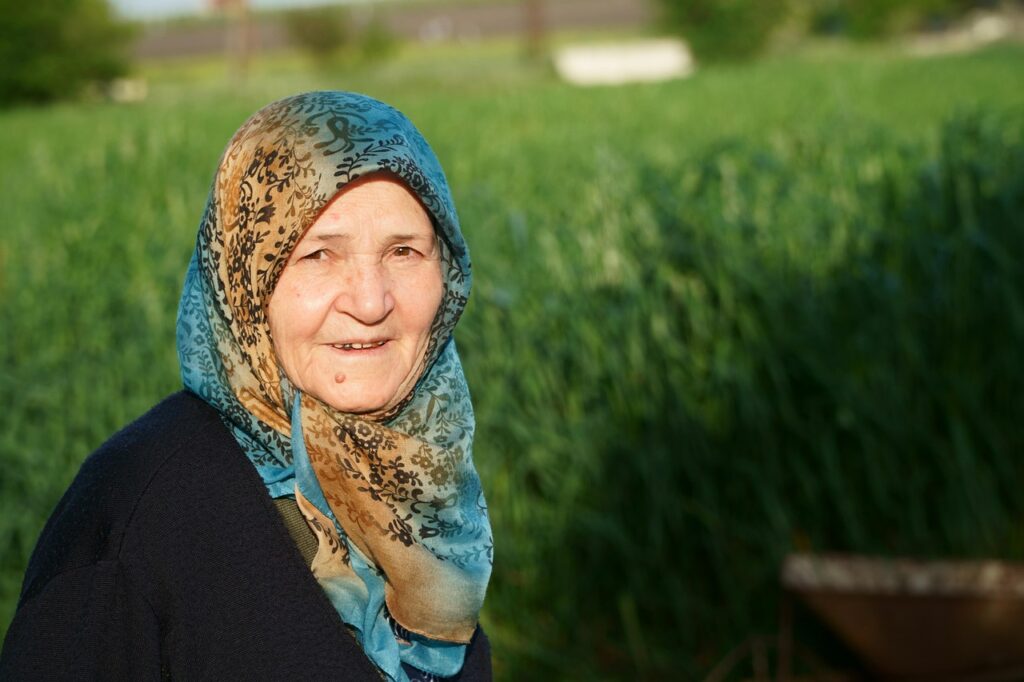
At the heart of misafirperverlik lies a belief that surprises many visitors: the guest is a gift, not a burden. The traditional Turkish saying holds that a guest brings God’s blessing to the house, and the longer the guest stays, the greater the blessing. The idea transforms the relationship between host and visitor.
The belief has practical consequences. Because the guest brings blessing, the host receives with joy and gives without counting the cost. The host’s generosity is not charity: it is the proper response to a gift. And because the guest is a blessing, the guest’s comfort becomes the host’s honor.
For the visitor, the belief explains the warmth you will receive. The Turkish person who welcomes you is not performing a duty: they are receiving a blessing. Understanding this makes the welcome comprehensible, and it makes your own gratitude part of the exchange.
The Welcome Ritual
Misafirperverlik has a ritual form that is consistent across Turkey. The welcome begins at the door, with a warm greeting and an offer of tea. The guest is guided to the best seat, and the host settles nearby. Food follows, with an insistence that has its own grammar, and the visit ends with a long farewell at the door.
Each step of the ritual carries meaning. The tea is the first signal of welcome, the seat is the sign of honor, and the food is the proof of generosity. The farewell, often extended to the street, is the seal of the bond. The ritual is so reliable that guests can follow it without instruction.
The ritual also has rules for the guest. Accept the tea, eat the food, and stay for the conversation. Express gratitude at every stage. The ritual works because both sides know the steps, and following them is the way to be a good guest.

Tea and the Art of Hosting
Tea is the material expression of misafirperverlik, and hosting without it is almost unthinkable. The tea arrives in a small tulip-shaped glass, strong and dark, with sugar on the saucer. It appears within minutes of a guest’s arrival, and it is refilled as the conversation continues.
The tea has a grammar. The first glass is welcome, the second is conversation, and the third is friendship. Refusing the tea is possible, but accepting is the way to enter the ritual. The tea is also the great equalizer: it is offered in palaces and village houses alike, and the ritual is identical.
For the visitor, the tea is the easiest door into the culture. Accept it whenever it is offered, sip it slowly, and use the time to talk. The conversation over Turkish tea is where misafirperverlik does its real work, and it is the experience most visitors remember.
The Table of Generosity
The table is where misafirperverlik reaches its fullest expression. The Turkish table is laid with abundance: more dishes than anyone can eat, more than the household would serve itself. The abundance is the point, and the host’s honor is measured by the table’s generosity.
The table has its etiquette. The guest is served first, the best portions are offered to the guest, and the host presses the guest to eat more. Refusing is part of the dance, and the exchange of insistence and acceptance is understood by both sides. The meal is long, and the conversation after it is as important as the food.
For the visitor, the table is the heart of the experience. Eat with visible pleasure, praise the cooking, and accept the second serving. The meal is the ritual of misafirperverlik in full, and participating in it is the deepest way to understand the concept.

The Guest’s Duties
Misafirperverlik is not one-sided, and the concept includes the duties of the guest. The guest is expected to accept the welcome, to show gratitude, and to be a source of blessing in return. A guest who refuses everything or leaves quickly disrupts the ritual and disappoints the host.
The duties are specific. Accept the tea and the food, praise the home and the cooking, and engage in the conversation. Bring a small gift when visiting a home, and thank the host warmly when leaving. The duties are light, but they are real, and they complete the exchange.
For the visitor, the duties are the key to the relationship. The guest who performs them is remembered as a good guest, and the bond created by misafirperverlik deepens. The concept works because both sides give, and the giving is what makes the hospitality a relationship rather than a transaction.
Hospitality Beyond the Home
Misafirperverlik extends far beyond the private home, and this is part of what makes it a national value. In shops, customers are offered tea and treated as guests. In offices, visitors are welcomed warmly. On the street, strangers help with directions and problems, and the help is offered with the same spirit as the welcome in a home.
The extension of hospitality into public life shapes the experience of travel in Turkey. The shopkeeper who wants to talk, the official who treats you as a guest, the stranger who escorts you to your destination: all are practicing misafirperverlik. The value is not confined to the private sphere, and that is why visitors encounter it everywhere.
For the visitor, the public hospitality is a gift to be accepted with grace. Accept the tea in the shop, thank the helper on the street, and understand that the warmth is the culture, not a sales technique. The misafirperverlik of the public world is one of the pleasures of travel in Turkey.

Misafirperverlik Today
The concept of misafirperverlik has survived the changes of modern life, but its forms are adapting. In the cities, the tea is quicker and the invitations shorter, and the long family dinners may be reserved for weekends. Young Turks still hold the value, but they express it in the rhythm of urban life.
The digital age has extended the concept. Turkish hosts welcome travelers through online communities, and the stories of hospitality shared on social media have made misafirperverlik a global reputation. The state has embraced the value in its tourism campaigns, presenting the Turkish welcome as a national brand.
For the visitor, the modern forms are as real as the traditional ones. The city host who offers tea, the online community that offers advice, the tourism campaign that promises welcome: all are misafirperverlik in its current shape. The concept is old, but it is alive, and it is still the heart of Turkish social life.
What It Means for Visitors
For visitors, misafirperverlik is both a gift and a responsibility. The gift is the warmth that will meet you everywhere: the tea, the invitations, the help of strangers. Accept it openly, and Turkey will open itself to you in return.
The responsibility is to be a good guest. Learn a few words of Turkish, accept what is offered, express gratitude, and respect the culture. The concept works through exchange, and your participation completes the ritual. The good guest is remembered, and the bond created by the visit outlasts the trip.
Finally, understand that misafirperverlik is a value you can carry home. The belief that a stranger is a blessing, and that generosity is the proper response, is not confined to Turkey. Let the concept shape how you treat the guests in your own life, and you will have understood misafirperverlik in the deepest sense.
Frequently asked questions
What does the word misafirperverlik literally mean?
The word combines misafir, meaning guest, with perverlik, from a Persian root meaning to love or nurture. It means guest-loving, and the word itself expresses the Turkish idea that hospitality is a love directed toward guests rather than a duty performed for them.
Why do Turkish people say a guest brings a blessing?
The traditional belief holds that a guest brings God’s blessing to the household, and the longer the guest stays, the greater the blessing. This transforms the host’s role: receiving a guest is an honor, and generosity is the proper response to a gift.
Does misafirperverlik still matter in modern Turkey?
Yes. The forms have adapted, with quicker tea and shorter visits in the cities, but the value remains central. Young Turks still hold it, the state promotes it, and visitors continue to experience it in homes, shops, and streets across the country.

All Over Information
The All Over Information editorial team researches and writes practical English-language guides to Turkey. Facts are checked against official and local sources before publication, prices are published as dated ranges rather than quotes, and guides are revised when things change. We accept no sponsored posts, paid placements or paid links.
More guides like this

The Kurdish Communities of Southeastern Turkey
The southeast of Turkey is a region of dramatic landscapes, ancient cities, and deep hospitality, and it is also the heartland of…

Understanding Modern Turkish Pop Culture
Modern Turkish pop culture is everywhere, even if you do not realize it: television dramas that air on six continents, pop songs…

Turkish TV Dramas That Are Popular Worldwide
Turkish television dramas have become a global phenomenon.
The Role of Tea in Daily Turkish Life Explained for Foreigners
If you have never been to Turkey, prepare for a surprise: tea will appear in your life within minutes of arrival, and…

Traditional Turkish Barbershops and Their Rituals
Step into a traditional Turkish barbershop, and you enter a world of warm towels, flickering flames, and rituals that have been refined…

Turkish Hamam (bath) Rituals Explained for Foreigners
As a visitor, walking into a Turkish hamam for the first time can feel both exciting and intimidating.