If you spend any time in Turkey, you will notice the barbershops on nearly every street corner, their windows polished, their chairs full, and their scissors flashing. The Turkish berber is not just someone who cuts hair; he is an entertainer, a therapist, and a neighborhood institution all at once. In this guide you will discover what makes the Turkish barbershop so special, from the famous hot-towel shave to the flaming cotton treatment, and why a visit here is one of the most memorable local experiences a traveler can have.
The Turkish Barbershop at First Glance
Step into a Turkish barbershop and you enter a world of mirrors, leather chairs, and the constant hum of conversation. The shop is usually small, spotlessly clean, and decorated with the tools of the trade: scissors, clippers, razors, and the gleaming bowls where the famous foam is whipped. The atmosphere is lively, with music playing and customers chatting freely.
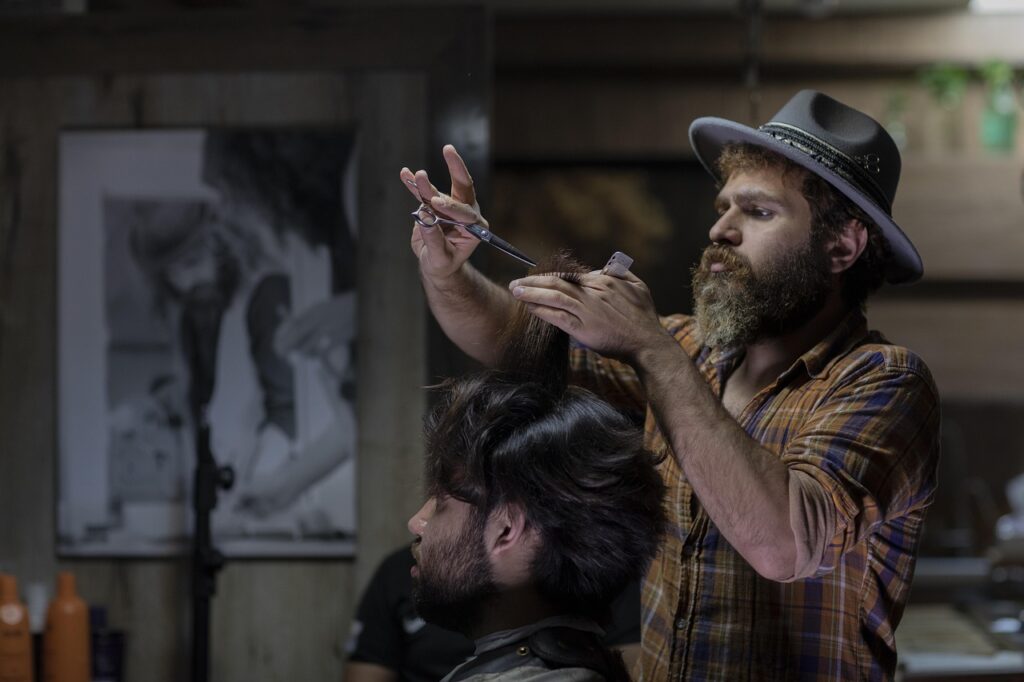
The berber himself is a striking figure, often working with remarkable speed and confidence. One hand holds the razor, the other stretches your skin, and in minutes the whole ritual is underway. Regulars greet him by name, and even first-time visitors are treated with warmth and a stream of friendly questions.
What surprises many outsiders is the sheer range of services offered. A simple haircut rarely stays simple here; it grows into a wash, a shave, a face massage, and a flame-lit finale. The barbershop is a place where time slows down and care is taken seriously.
A Craft Passed Down Through Generations
Turkish barbering is a hereditary craft. Many barbers learned the trade from their fathers and grandfathers, starting as apprentices who swept floors and fetched tea before ever touching a razor. This apprenticeship system kept the old techniques alive and gave the profession deep roots in family tradition.
The skills are genuinely demanding. Working a straight razor on a relaxed, moving customer requires years of practice, steady hands, and total concentration. The famous fire treatment, in which a flaming cotton wick is passed over the skin, demands even more nerve and control, and it is taught slowly and carefully.
Because the craft is passed down in person, regional styles have survived. Shaving techniques, massage movements, and even the way the foam is applied can differ from city to city. For the customer, this means that every barber has a personal touch, shaped by teachers who shaped theirs.
The Ritual of the Traditional Shave
The traditional Turkish shave is a ceremony in its own right. It begins with a warm towel pressed over the face to soften the beard, followed by generous layers of thick, perfumed lather. The barber then works with a straight razor, moving in quick, confident strokes that somehow feel perfectly safe.
The razor work covers the cheeks, the chin, the neck, and often the forehead, and it is accompanied by a rhythmic, almost musical quality to the barber’s movements. Between passes, the blade is wiped and stropped, and the customer relaxes into the chair. Many men find this the most deeply relaxing part of the whole visit.
After the shave, the face is rinsed and often dabbed with cooling cologne. A final massage of the head, temples, and shoulders sends the customer back into the street glowing. It is a level of care that few other barbering traditions in the world can match.
Fire and Flames: The Famous Burn Treatment
The most talked-about element of the Turkish barbershop is the fire. After the shave, the barber may take a long cotton wick, soak it in alcohol, and set it alight. He then passes the flame quickly over the face and ears, singeing fine hairs and supposedly tightening the skin, before extinguishing it with a damp cloth.
To the first-time customer this looks terrifying, but it is a controlled and surprisingly gentle procedure. The flame passes in a swift, waving motion, and the skin barely feels warm. Many regulars request it eagerly, claiming it leaves the face smooth and refreshed,
The fire also has a theatrical side. The flash of light, the brief heat, and the confident smile of the barber turn an ordinary shave into a performance. It is this showmanship, as much as the technique, that has made Turkish barbering famous around the world.

Beyond a Shave: The Full Care Package
The Turkish barbershop is a complete grooming studio. After the haircut and shave, customers can expect a wash with warm water, a conditioning treatment, and a thorough massage of the scalp, neck, and shoulders. Some shops add face masks, hand massage, or arm and back kneading to the routine.
Eyebrow shaping is considered standard for men, and so is trimming the ear and nose hair, done carefully with small scissors or, in traditional shops, with wax and thread. The goal is a polished, tidy appearance from every angle, and Turkish barbers are thorough about details that many barbers elsewhere ignore.
All of this is delivered with remarkable efficiency. Despite the many steps, a full appointment is usually finished within the hour, and the price remains modest compared with similar care in many other countries. The value, combined with the skill, explains why so many visitors become regulars during their stay.
The Barbershop as a Social Hub
The barbershop has always been more than a place to get a haircut; it is the living room of the neighborhood. Men gather there to argue about football, discuss politics, share gossip, and pass the time. The barber, with his mobile phone and his ear in every conversation, often knows more about the street than anyone else.
This social role makes the barbershop a window into Turkish male culture. The banter is warm and competitive, the teasing is constant, and the laughter is loud. As a foreign visitor, you will likely be asked where you are from, what you think of Turkey, and whether you are married, all within the first five minutes.
Do not be surprised by the attention; it is a sign that you have been welcomed in. The barbershop is one of the easiest places in Turkey to strike up genuine conversation, and many travelers leave with stories and a new appreciation for Turkish hospitality.

The Language and Customs of the Shop
Every trade has its own vocabulary, and Turkish barbering is no exception. The berber will ask about kisa, or short, or uzun, or long, and you will hear words like ense, the nape, and sakal, the beard. Learning a few of these terms will make your visit smoother and earn you a smile of approval.
Customs matter too. It is polite to greet everyone in the shop when you enter, and to say farewell when you leave. The barber will usually offer tea or Turkish coffee while you wait, and refusing it is considered rude; accept it, sip slowly, and enjoy the moment.
Tipping is customary and appreciated, though never demanded. A small tip handed over with a smile at the end of the service is the norm, and it is seen as a mark of respect for the skill you have just enjoyed. Wherever you are in Turkey, these small rituals make every visit feel personal.
Barbershops for Children and Special Occasions
Turkish barbershops welcome customers of every age, and children are regular visitors. Boys often receive their first haircuts here in a kind of mini-ceremony, with the family watching and the barber working gently to keep the child calm. Many shops keep small toys and treats for the youngest clients.
Special occasions draw men to the barber too. Before weddings, groom’s parties, religious holidays, and military send-offs, the barbershop fills up with men preparing to look their best. On the eve of the two great religious festivals, queues can stretch out of the door as everyone gets ready for the celebrations.
These customs show how deeply the barbershop is woven into Turkish life. It marks time, celebrates milestones, and frames the moments when a man wants to present himself to the world. For visitors, seeing this ritual in action is a small lesson in how the culture works.

Turkish Barbers Around the World
The fame of Turkish barbering has crossed borders. In recent years, barbers trained in Turkey have opened shops in cities across Europe and beyond, bringing the hot towel, the straight razor, and the fire treatment to new audiences. Many of these shops proudly display Turkish motifs and serve tea while you wait.
This international success is not accidental. The combination of visible skill, dramatic showmanship, and attentive care gives Turkish barbers a distinctive style that customers remember. Social media videos of the flame treatment have turned these barbers into celebrities of their trade.
For travelers who miss Turkey, finding a Turkish barbershop abroad has become surprisingly easy. And for those who have never visited, a session at one of these shops is often the first taste of a tradition they will later want to experience in the country itself.
How to Choose a Good Turkish Barbershop
Choosing a good barbershop in Turkey is easier than you might think. Look for a shop that is busy, because popularity is the most honest review a barber can get. Watch how the barber works before you sit down; a confident, unhurried style is a good sign, and a full waiting room is rarely a coincidence.
Cleanliness is another reliable indicator. A good Turkish barber keeps his tools, towels, and mirrors spotless, and you should not be shy about checking. If you have sensitive skin, ask for a gentle shave and skip the fire treatment on your first visit, then decide whether you want it next time.
Finally, trust word of mouth. Hotel staff and locals are usually happy to recommend a barber, and a shop full of neighborhood regulars is almost always a safe choice. However you find it, the right barbershop will turn a simple haircut into one of the best memories of your trip.
Frequently asked questions
Does the fire treatment hurt?
No, it looks far more dramatic than it feels. The barber passes the flaming cotton wick quickly over the skin, singeing fine hairs, and the sensation is brief and mild. If you are nervous, simply ask the barber to skip it; the shave and massage alone are already a complete experience.
Do Turkish barbers serve women customers?
Traditionally, the neighborhood barbershop is a men’s space, and most women visit hair salons instead. However, many modern barbershops welcome women for services like beard, eyebrow, and facial care. If you are unsure, ask before booking, and you will quickly find the right place for your needs.
What should I tip the barber?
Tipping is customary and appreciated, though the amount is your choice. A modest tip given directly to the barber at the end of the service is the norm, and you can add a little more for extra treatments like the fire or a long massage. A friendly smile and a thank you always complete the gesture.

All Over Information
The All Over Information editorial team researches and writes practical English-language guides to Turkey. Facts are checked against official and local sources before publication, prices are published as dated ranges rather than quotes, and guides are revised when things change. We accept no sponsored posts, paid placements or paid links.
More guides like this

A Deep Dive into the Concept of Misafirperverlik (hospitality)
Misafirperverlik is the Turkish word for hospitality, but it is also a key to the whole culture.

Turkey’s Youth Culture and Social Media Trends
Spend an evening on a busy street in Istanbul, Ankara, or Izmir and you will see what defines Turkish youth culture today:…
Understanding the Ottoman Empire: A Beginner’s Guide
The Ottoman Empire ruled over a vast region for more than six hundred years, and its story is one of the great…

Understanding the Seljuk Empire: A Beginner’s Guide
The Seljuk Empire is the great missing chapter in most people's knowledge of Turkish history, and it is one of the most…

Understanding the Turkish Calendar and Holidays
Turkey runs on two calendars at once, and holidays arrive on both of them.

How Friday Prayers Shape the Turkish Workweek
For a traveler, one of the most visible rhythms of Turkish life is the week itself, and Friday has a special place…