If you are heading to Turkey, kebab will almost certainly find its way onto your plate, and that is a very good thing. Kebab is not one dish but a whole family of grilled meats, each with its own city, its own spices, and its own fiercely loyal fans. From the fiery minced skewers of Adana to the butter-drenched Iskender of Bursa, every region tells its story through charcoal and meat. This guide will help you understand what makes each kebab different, how to order with confidence, and how to enjoy the full kebab-house experience like a local.
What Exactly Is a Kebab?
The word kebab comes from the Arabic term for roasting, and at its most basic it means meat cooked over fire. In Turkey, however, the name opens onto an enormous landscape. Skewered cubes of lamb, hand-kneaded minced meat, and meat roasted on a vertical spit all answer to the same name.
What unites them is the method rather than the meat. Charcoal, embers, and smoke create flavors that an oven simply cannot replicate. Every region has its own kebab, its own spice blend, and its own way of presenting the dish, which is why two plates of kebab can look completely different even when the menu calls them by the same name.
For a visitor, this variety can be bewildering. A menu listing Adana, Urfa, şiş, beyti, and Iskender reads like a geography lesson. The good news is that every one of these names leads somewhere delicious, and learning to tell them apart is the start of a wonderful culinary education.
The Kebab Family Tree
The first branch of the family is şiş kebab, cubes of lamb threaded onto metal skewers and grilled. It is the kebab most visitors picture when they hear the word, and it is also one of the oldest forms.
The second branch is minced-meat kebab, the great specialty of the southeast. Adana kebab is made from hand-minced lamb mixed with tail fat and red pepper flakes, pressed onto wide flat skewers. Urfa kebab is its milder cousin, seasoned with the sweet-smoky isot pepper of Şanlıurfa.
The third branch is döner, meat stacked in thin layers on a vertical spit and roasted slowly as it turns. Bursa’s Iskender kebab builds on döner, serving the sliced meat over pide bread with tomato sauce, yogurt, and hot melted butter poured at the table.
Finally, cağ kebab from Erzurum is lamb roasted on a horizontal spit and sliced off with a knife as it cooks. Each branch has its own rituals, its own tools, and its own devotees, and together they form the kebab universe.

The Essential Ingredients
Lamb is the classic kebab meat across Turkey, prized for its sweetness and its fat. Some kebabs, especially in Istanbul and western cities, use beef or a blend, but lamb remains the benchmark. The fat matters as much as the meat, and tail fat in particular is the secret behind the juiciest minced kebabs.
For minced kebabs, the meat should be coarsely minced by hand or in small batches, never ground to a paste. It is seasoned simply with salt, red pepper flakes, and sometimes a little onion or garlic. You will never find breadcrumbs, eggs, or binders in a proper kebab, because the fat and the kneading do all the work.
Freshness is non-negotiable. The best kebab houses buy their meat daily, and you can taste the difference in every bite. When the meat is good, the seasoning stays minimal, because the fire will do the rest.
The Art of the Marinade
Minced kebabs rely on kneading rather than marinating. The cook works the meat, fat, and spices together until the mixture becomes sticky and cohesive, then rests it in the cold so the flavors meld. This is a technique of muscle memory and feel, and it takes years to master.
Cube kebabs, by contrast, love a marinade. Onion juice is the classic base, often blended with olive oil, milk, or yogurt to tenderize, and seasoned with black pepper, thyme, or pul biber. A few hours in the marinade transforms tough cuts into tender, fragrant skewers.
Time is the ingredient people forget. Even the best marinade needs hours to work, and overnight is better still. The marinade should complement the meat, not bury it, so restraint is a virtue.

Charcoal and Fire: How Kebab Is Cooked
Real Turkish kebab is cooked over charcoal on a mangal, the low rectangular grill that defines the kebab house. The charcoal, often oak or vine wood, is burned down to glowing embers, and the heat is managed by raising and lowering the grate.
Flames are the enemy. Fat dripping into the fire causes flare-ups that char the surface and spoil the flavor, so skilled cooks keep the coals at a steady, intense glow. The skewers are turned constantly, and the meat is watched with the attention of a jeweler.
The flat wide skewers used for Adana and Urfa kebab are designed to hold the minced meat in place while the open sides cook. The cook presses the meat flat, so it cooks evenly and picks up a smoky crust in minutes.
Distance from the coals matters too. Thick cuts sit higher, thin ones sit closer, and experienced cooks judge the heat by feel and sound. This live-fire craft is why kebab from a proper mangal tastes so different from anything cooked under an indoor grill.
Adana and Urfa: The Regional Masters
Adana kebab is the most famous minced kebab in Turkey, named for the hot, generous city of Adana in the south. It is made from hand-minced lamb mixed with tail fat and a serious amount of red pepper flakes, pressed onto wide flat skewers and grilled over charcoal.
The finished kebab is served on a long flat plate with grilled tomatoes, charred peppers, and a pile of sumac-spiced onions. Lavash bread, fresh from the oven, is the only utensil some locals need.
Urfa kebab looks almost identical but tastes completely different. Named for the city of Şanlıurfa, it skips the fiery pepper and relies on isot, a dark, mildly sweet pepper with a smoky depth that is cured in the sun and aged for months.
The rivalry between the two cities is friendly but intense. Adana proudly sells its heat, while Urfa insists that depth beats fire. Whichever you choose, you are eating a masterpiece of the grill, and many travelers make a point of trying both on the same trip.

Iskender and Döner: The Sliced Tradition
Döner begins with thin slices of meat layered onto a vertical spit with fat and seasoning between each layer. As the spit turns slowly beside a vertical grill, the outer surface roasts and browns, and the cook carves off thin, crisp-edged ribbons.
Döner is everywhere in Turkey, from street stalls to sit-down restaurants, and it is the ancestor of the doner shops found across Europe. Served in bread as a quick lunch, or on a plate with rice and grilled vegetables, it is the everyday face of kebab.
Iskender kebab elevates döner into a ceremony. Invented in Bursa by Iskender Efendi, the dish layers sliced döner over triangles of pide bread soaked in tomato sauce, with a mound of yogurt on the side.
The final act happens at your table, when a server pours a stream of sizzling melted butter over the meat. The sound, the steam, and the rich aroma make Iskender one of the most theatrical dishes in Turkish cuisine, and Bursa remains its spiritual home.
What to Eat With Kebab
No kebab arrives alone. Grilled tomatoes and charred green peppers share the plate, softening the richness of the meat and adding sweetness. A heap of paper-thin onions tossed with sumac and parsley cuts through the fat beautifully.
Bread is essential. Lavash, the thin soft flatbread of the southeast, is the classic partner, while pide, the boat-shaped bread of the north, is standard elsewhere. Tear it, wrap it around a piece of meat, and dip.
The cold accompaniments are part of the balance too. Ezme, a spicy chopped salad of tomato, pepper, and pomegranate, brings brightness. Haydari, a herbed yogurt dip, cools the palate, and a simple bulgur pilaf is the bed on which many kebabs are served.
To drink, ayran is the national answer: a salted yogurt drink that cuts through smoke and spice. Many locals insist it is the only drink worth having with kebab, and after one mouthful of smoky meat, you will understand why.

The Kebab House Experience
In an ocakbaşı restaurant, the charcoal grill is the center of the room, and diners sit close enough to feel its warmth. The chef cooks, narrates, and passes skewers across the counter, and the evening becomes a performance.
A traditional kebab meal has a rhythm. It often begins with a bowl of soup, usually lentil, to warm the stomach. Then come the mezes, small cold and hot dishes, before the kebab itself arrives in its glory.
Ordering is usually generous. Turkish tables are shared, and it is common to order several kinds of kebab so everyone can taste. The cook will time the skewers so that everything arrives hot, and the bread keeps coming until you say stop.
At the end, a plate of fresh fruit or a small dessert may appear, and tea is offered as the natural close. The bill is simple and honest, and tipping, while appreciated, is modest. The kebab house is not just a restaurant but a living piece of Turkish social life.
Frequently asked questions
What is the difference between Adana and Urfa kebab?
Both are minced lamb kebabs from the southeast, grilled on wide flat skewers over charcoal. Adana kebab is seasoned with red pepper flakes and is genuinely spicy. Urfa kebab uses isot pepper, which is milder and more smoky-sweet. The cooking technique is nearly identical, so the spice blend is what separates the two.
Is döner kebab the same as shawarma or gyros?
They share a technique, roasting stacked meat on a vertical spit, but each is distinct. Turkish döner uses seasoned lamb, beef, or a blend with its own marinade. Shawarma, from the Arab world, uses different spices and often yogurt marinades. Gyros is the Greek version, usually pork or chicken. The Turkish identity lies in the seasoning and the serving style.
What is the best drink to have with kebab?
Ayran, the classic salted yogurt drink, is the traditional answer. Its cool tang cuts through the smoke, spice, and richness of grilled meat, and you will see it on every kebab table in Turkey. For something bolder, a glass of şalgam, the fermented turnip juice of the south, is the local favorite with Adana kebab.

All Over Information
The All Over Information editorial team researches and writes practical English-language guides to Turkey. Facts are checked against official and local sources before publication, prices are published as dated ranges rather than quotes, and guides are revised when things change. We accept no sponsored posts, paid placements or paid links.
More guides like this

The Anatolian Plateau Explained
The Anatolian Plateau is the heart of Turkey, the vast, high tableland that fills the center of the country and shapes its…

Turkish Soups (Corba): A Taste of Turkish Culture
Ask any Turk to name the food of home, and the answer will often be a soup.

The History Behind Iskender Kebab
Iskender kebab is one of the most famous dishes of Turkish cuisine: a plate of thinly carved döner meat layered over toasted…
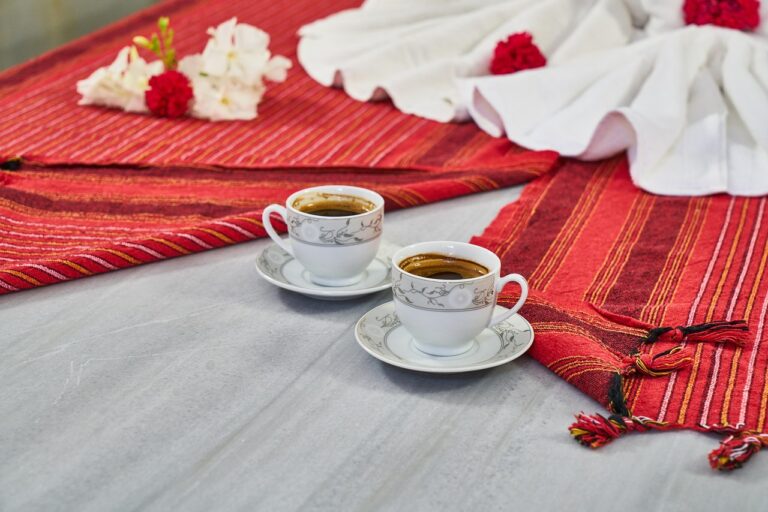
Turkish Coffee: A Taste of Turkish Culture
No single food or drink carries the weight of Turkish culture like a cup of Turkish coffee.

Borek Vs. International Variations: What Makes It Turkish
Borek belongs to one of the largest pastry families in the world.

Hunkar Begendi: A Taste of Turkish Culture
Hunkar begendi is more than a recipe; it is a story that Turkey has told itself for centuries, a dish named for…