Konya is not a city you need to study before booking a hotel, but a few decisions matter. The old city around the Mevlana Museum is compact, walkable, and where most first-time visitors belong; the modern districts are better for business travelers and budget hunters; and the area near the train station suits anyone arriving by high-speed rail. This guide breaks down the main neighborhoods, what each one offers, and who each one suits best, so you can match your base to your plans. Whichever you choose, keep one rule in mind: in Konya, staying central saves you more time than almost anything else.
The Old City: Around the Mevlana Museum
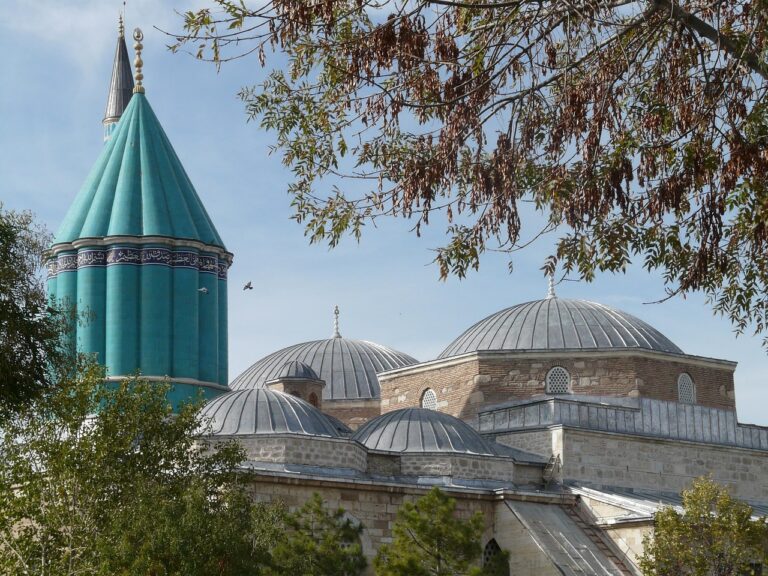
The neighborhood around the Mevlana Museum is the heart of tourist Konya, and it is where most visitors should stay. The streets are lined with small hotels, boutique houses, and guesthouses, many of them converted from old stone buildings with courtyard gardens. Everything you came to see is within a ten-minute walk: the museum itself, Alaeddin Hill, the Seljuk museums, and the bazaar.
The area is quiet in the evening, when the tour buses leave and the streets belong to the faithful and the tea gardens. Restaurants cluster nearby, and the tram stop at the museum connects you to the rest of the city.
The trade-off is price: this is the most expensive district in Konya, though still modest by European standards. Book early for festival dates in December, when demand far exceeds supply. In high season, expect to pay roughly a quarter to a third more than in the business district for a comparable room, which many travelers consider a bargain given the location.
Alaeddin Hill and the Seljuk Quarter
The slopes around Alaeddin Hill offer a slightly quieter version of the old city. The hotels here are fewer and smaller, but the setting is remarkable: you wake up looking at the Seljuk mosque on the hilltop, with the Mevlana dome visible beyond the trees.
The neighborhood has a residential feel, with local bakeries, tea houses, and small restaurants that rarely see tourists. It is ideal for travelers who want to feel part of the city rather than observers of it, and the walk to the museum takes only ten minutes.
Accommodation choices are limited, so options here book out quickly. If you find a room in a converted Seljuk-era house, take it; the thick stone walls keep rooms cool in summer and warm in winter.

The Aziziye-Bazaar District
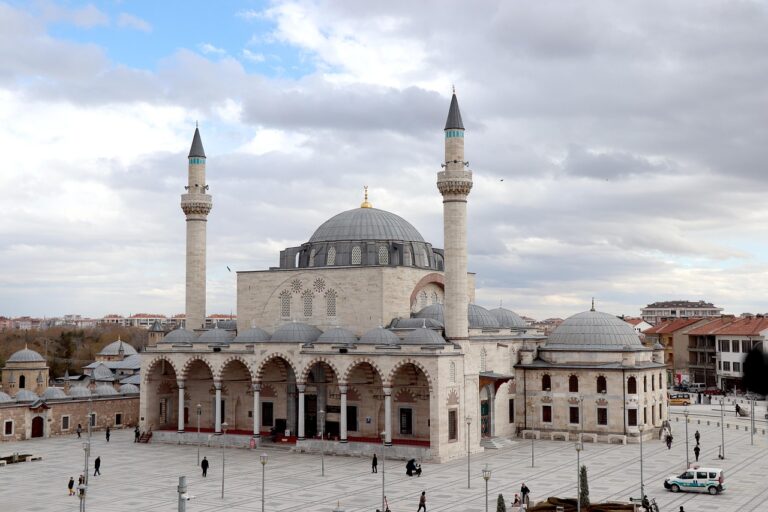
East of the museum, around the Aziziye Mosque and the covered bazaar, you will find mid-range hotels and business-style establishments in the middle of the shopping action. The location is superb for shoppers: you are literally steps from the gold quarter, the spice lanes, and the textile market.
The streets are livelier and busier than around the museum, with traffic in the daytime and a steady hum of commerce. Rooms facing the street can be noisy, so ask for a quiet room at the back.
This district suits travelers who want to be in the middle of things, and families with older children, who will enjoy the energy of the bazaar. The tram line runs nearby, keeping the museum and the train station within easy reach.
The Modern Center: Around the Business District
Konya’s modern center, along the broad avenues west of the old city, is where the big chain hotels and business hotels sit. The buildings are taller, the streets wider, and the atmosphere more corporate, but the location is still convenient: a ten-minute taxi or tram ride to the museum.
This is the right choice for travelers who value comfort and amenities over atmosphere, and for anyone on a business trip. The hotels here have gyms, restaurants, and conference facilities, and the shopping malls nearby offer the familiar comforts of modern Turkey.
The main drawback is character: you could be in any Turkish city center. If you are spending only one night in Konya on a longer journey, this district is a practical, easy choice.

Near the Train Station
The high-speed train station lies on the western edge of the city, and a handful of hotels cluster around it for the convenience of rail travelers. The tram line connects the station to the old city in about twenty minutes, so the distance is manageable.
Staying here makes sense if you arrive late and leave early, or if you are traveling onward by train the next morning. The neighborhood itself is functional rather than charming: wide roads, shopping centers, and little in the way of atmosphere.
For most visitors, a night here is a trade: easy rail access against a stay outside the old city. If you plan to spend the day sightseeing, you will need to factor the tram ride into your schedule. The station area is also the easiest place to pick up onward connections by bus, which makes it a practical choice for longer overland journeys across Anatolia.
The University District
To the north of the city center lies the Selcuk University area, a lively student district full of cafes, budget guesthouses, and cheap eateries. This is Konya’s most affordable accommodation territory, and the atmosphere is young and energetic.
Staying here puts you away from the monuments, but the tram line connects the district to the center in around half an hour. The food is excellent value, and the evening scene is the liveliest in the city, with students filling the cafes until late.
This neighborhood suits backpackers, students, and anyone stretching their budget. If you choose it, book a room away from the main street, where the music from student cafes can continue into the night.

Choosing a Base for the Mevlana Festival
If you are coming for the Mevlana Festival in December, neighborhood choice takes on a different weight. The ceremonies run at venues across the city, and the museum area becomes the focus of crowds, lights, and processions, so the old city is the most atmospheric base but also the first to sell out.
Book four to six months ahead for festival dates, and be prepared for prices well above the rest of the year. If the old city is full, the tram line makes anywhere along it a practical alternative, since festival events are well served by public transport.
Some visitors prefer to stay slightly outside the center and commute in for the ceremonies. It is cheaper and calmer, but you miss the festival atmosphere that fills the streets each evening, when the museum quarter glows with lights and the faithful gather in the rose garden. For the full experience, pay the premium for the old city at least once.
Types of Accommodation: What to Expect
Konya’s hotel scene spans the full range, from simple family-run pensions to five-star towers. In the old city, boutique hotels in restored stone houses offer the most character, with courtyard breakfasts and thick stone walls. Standards are generally high, and even budget hotels are usually clean and well-run.
Breakfast is a serious matter across Turkey, and Konya’s hotels compete to offer the best spread: cheeses, olives, honey, jams, and the region’s famous sweet butter. A hotel with a good breakfast saves you a meal out.
Whatever you book, check whether it is on a tram line, and confirm the distance to the museum. In a city where the center is so compact, a fifteen-minute walk separates the most convenient hotels from the rest.

The Suburbs: Meram and the Green Belt
A few kilometers southwest of the center, the district of Meram offers a different Konya entirely. This is the city’s green belt, where streams run through wooded valleys, old water mills still turn, and villas climb the slopes toward the Taurus foothills. It is the traditional summer retreat of the city, and it feels more like a resort than a suburb.
A handful of hotels and guesthouses nestle in the valley, most of them modern and comfortable, with gardens and views that the old city cannot offer. The trade is clear: you give up walking distance to the monuments for peace, greenery, and a genuine slice of local life. Buses and taxis cover the distance to the center in about twenty minutes.
This neighborhood suits families who want space and quiet, travelers with a car, and anyone staying more than a few days. It also makes a lovely base if you are combining Konya with trips into the countryside, since the roads toward the lakes and mountains start right here.
Practical Booking Tips
A few booking habits will serve you well in Konya. Book the old city as far ahead as possible, and pay special attention to December, when festival demand pushes prices up sharply. Outside festival season, last-minute bookings in the city are usually fine.
Read recent reviews for noise and heating: old stone houses are charming but can be cold in winter, while rooms over main streets carry traffic noise. If you are sensitive to either, ask for a quiet, well-heated room.
Finally, consider location together with your arrival and departure plans. If you arrive by train late at night, a hotel near the station beats a late tram ride; if you are flying out early, ask your hotel about airport transfers, which most can arrange.
Frequently asked questions
Which neighborhood is best for first-time visitors?
The old city around the Mevlana Museum. Everything you will want to see is within walking distance, and the atmosphere is the most rewarding. If it is full or over budget, the Aziziye-Bazaar district is the natural second choice.
Is it easy to get from the train station to the old city?
Yes. The tram runs from the station to the old city in about twenty minutes, passing the Mevlana Museum. Taxis are also available and reasonably priced, making the station area a practical base for rail travelers.
When should I book a hotel in Konya?
Book early for the Mevlana Festival in December, ideally four to six months ahead, and for spring and autumn weekends. Outside those peaks, you can usually book a week or two in advance without difficulty.

All Over Information
The All Over Information editorial team researches and writes practical English-language guides to Turkey. Facts are checked against official and local sources before publication, prices are published as dated ranges rather than quotes, and guides are revised when things change. We accept no sponsored posts, paid placements or paid links.
More guides like this

Nightlife Guide to Konya
Konya does not have a nightlife in the sense that Istanbul or the coastal resorts do, and that is exactly the point.
History and Culture of Konya
Konya is a city where history is not a museum exhibit but a living presence.

48 Hours in Konya: The Perfect Itinerary
Two days in Konya is exactly the right amount of time. Long enough to see the great sights, eat the great food,…
A Solo Traveler’s Guide to Konya
Konya is an excellent destination for solo travelers, and in some ways it is better alone than in company.

The Best Day Trips from Konya
Konya is a superb base for exploring central Anatolia, and the city itself is only half the story.
Konya in Summer: A Complete Travel Guide
Summer is the season of the open sky in Konya: long days, hot sun, and evenings that linger in the parks and…