Two days in Balat is a deep dive into the old city’s hidden quarter — long enough to walk the colored streets at the right hours, to find the landmarks of the communities, to eat the brunch and the honest food, and to cross the water to the neighbors of the old shore. The itinerary runs the quarter’s own rhythm: the morning light on the facades, the afternoon in the cafes and the antique shops, the evening at the waterfront. It assumes you arrive with a full first day and leave on the evening of the second, and it builds in the walking that the quarter demands.
Day One: The Colors and the Landmarks
Morning — the colored streets at first light. Start early, when the light is the quarter’s own. The colorful houses of the famous streets are at their best in the soft morning sun — the pinks and the blues, the greens and the yellows, the facades glowing before the crowds arrive. Walk the lanes in the quiet: the cobbles and the steps, the cats and the washing lines, the old houses in the morning light. It is the quarter’s most beautiful hour, and the photographs you take now will be the best of the trip.
Late morning — the landmarks of the communities. As the quarter wakes, find its landmarks. Walk down to the waterfront for the Church of St. Stephen — the famous iron church, the prefabricated cast-iron building of the nineteenth century, its Gothic Revival form rising on the shore. Then climb the hill to the Ecumenical Patriarchate of Fener: the courtyard, the church of St. George with its relics and its icons, the seat of the Orthodox world’s first church. The morning is the landmarks’ quiet hour, and the two monuments — the iron church below, the Patriarchate above — are the quarter’s spiritual heart.
Lunch — the honest tables. By one o’clock, the working streets of the quarter feed their lunch crowds. The lokantas and the kebab houses of the side streets serve the day’s dishes — the stews, the beans, the rice, the meatballs — at the honest prices of the old city. Follow the queue, point at what looks good, and take the tea with the meal. It is the old Balat at the table, and it is the quarter’s most authentic lunch.
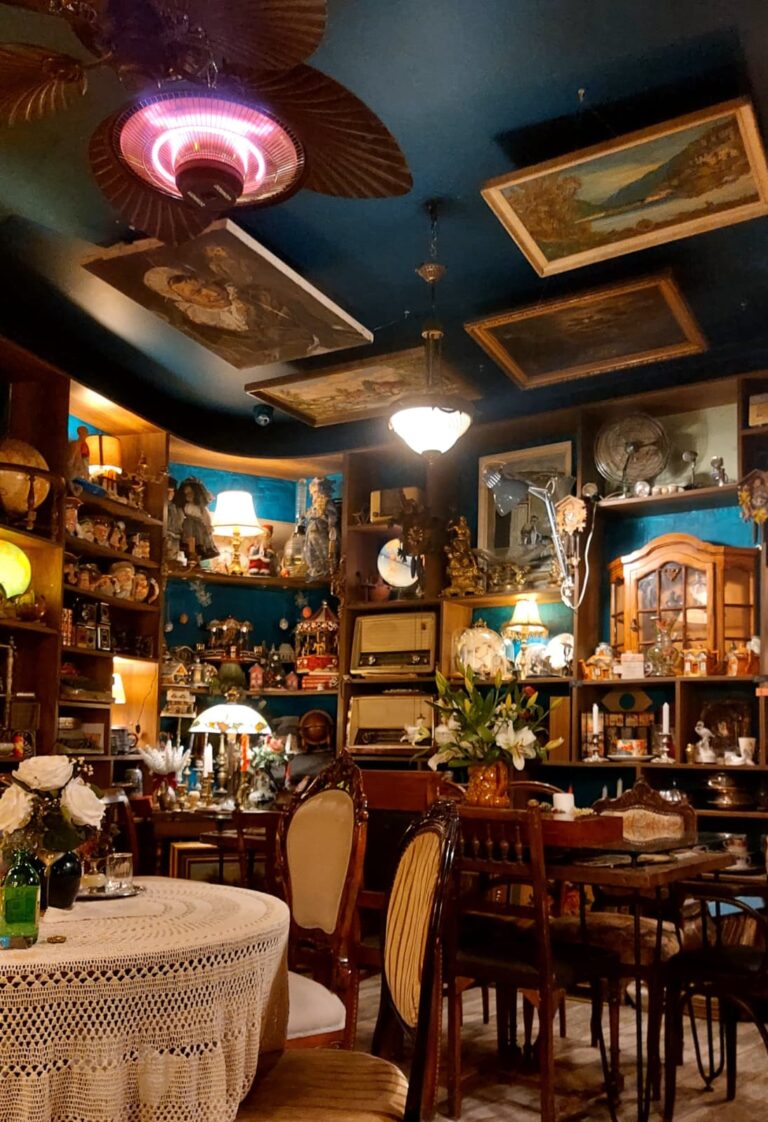
Afternoon — the cafes and the antique shops. The afternoon belongs to the new Balat. The cafes of the colored streets — the coffee shops and the tea houses in the restored houses, the vintage decor and the courtyard tables — are the quarter’s sitting rooms: take the coffee, watch the life of the lanes. The antique shops of the old streets are the quarter’s treasure hunt: the objects and the furniture of the past centuries, the finds of the old city. And the wander — the streets and the steps, the hidden corners — is the quarter’s real afternoon: the color, the history, and the life, at the pace of the wanderer.
Evening — the waterfront dinner. As the light fades, return to the water. The fish restaurants of the Golden Horn — the tables along the shore — are the quarter’s classic dinner: the fish of the day, the meze, the water below. Or choose the cafes of the colored streets for the lighter evening — the tea and the cake, the lanes lit in the evening light. After, the night walk of the quarter: the colored houses in the lamplight, the quiet streets, the old city’s life winding down — the quarter at its most peaceful, before the bus carries you home.

Day Two: The Hill and the Water
Morning — Fener and the Patriarchate’s neighborhood. Day two begins in the neighbor quarter. Walk the streets of Fener — the old Greek quarter of the hill: the grand houses and the schools of the community, the churches and the lanes, the life of the historic neighborhood. The morning is the walking hour: the streets quiet, the light soft, the old quarters at their most atmospheric. The walk from Balat into Fener is a step across the communities’ border — the two historic quarters of the old shore, read together.
Midday — the walls and the heights. The second landmark of the day is the ancient boundary of the quarter: the land walls of the old city, the great fortifications that ran from the Golden Horn along the ridge. The walls at the quarter’s edge — the towers and the gates of the ancient defense — are the walk’s reward: the climb to the heights, the view over the Golden Horn and the old city, the sense of the quarter’s place within the walls. The midday is the hour for the heights: the view at its clearest, the walls in the sun.
Afternoon — the waterfront and the crossing. The afternoon belongs to the water. Walk the shore of the Golden Horn below the quarter — the piers, the fishing boats, the life of the old waterfront — and take the ferry across the inlet: the crossing to the other shore, the old city’s skyline from the water, the quarter’s colors rising behind. The crossing is the half-hour reward of the day: the view of Balat from the water — the colored houses climbing the hill, the iron church on the shore — the postcard view that the quarter gives only to the ferry.
Evening — the farewell in the lanes. The last evening belongs to the lanes. Walk the colored streets one final time — the facades in the evening light, the cafes lit, the quarter’s life at its warmest — and take the farewell dinner where the mood takes you: the fish table on the water, the kebab house of the working streets, or the brunch room of the cafes. Leave time for the last walk: the quiet streets after dinner, the old quarter at night, the colors muted in the lamplight — the memory that will bring you back.

The Practical Notes
A few things make the two days smooth. The card is the ticket: the Istanbulkart covers the buses and the ferries — buy it at the station and load it once, and the whole itinerary is covered. The morning is the light: the colored facades are at their best in the soft morning sun, and the crowds are thinner — start early both days. The walking is the quarter: the lanes and the steps are the experience, and the sturdy shoes are the equipment. The ferries are the views: the crossing from the shore gives the quarter’s postcard view — take the water when the time allows. And the quarter is off the tram lines: the buses and the walking are the transport — plan the connections, and the quarter rewards the extra effort.

The Practical Notes on the Water
A few water-specific notes make the crossing smoother. The ferries run from the nearby piers: the Golden Horn ferries and the Bosphorus lines serve the shore below the quarter — the crossings are on the Istanbulkart at the price of a metro ride. The decks are the views: the outdoor decks give the postcard sightlines of the quarter from the water — claim the rail for the crossings. The gulls are the companions: they follow the ferries for the bread — hold the snacks close or share them, and the children will love the company. The light is the timing: the morning crossings give the clearest air, and the evening crossings give the amber light on the quarter’s colors — plan the ride for the light you want. And the schedule is the season’s: the summer adds the crossings, the winter runs the reduced schedule — check the current times before you plan.

The Takeaway
Forty-eight hours in Balat is a deep walk through the old city’s hidden quarter — the morning light on the colored houses, the landmarks of the communities, the cafes and the antique shops, the honest tables and the waterfront dinners, the crossing that gives the postcard view. The itinerary takes you from the first light on the facades through the iron church and the Patriarchate, into Fener and up to the walls, across the water and back to the lanes — the quarter whole, in the time it deserves. It is the old city’s deepest history in its most photographed streets, and the two days that show why the color postcard of Istanbul is also one of its oldest neighborhoods.
Frequently asked questions
Can I see the old city’s monuments in the 48 hours?
The itinerary focuses on Balat and Fener — the old city’s monuments are a bus ride away, and a morning there fits if you want both.
What is the best time for the colored streets?
The early morning, when the light is soft on the facades and the crowds are still thin — the quarter’s most beautiful hour.
Is the iron church worth the visit?
Yes — the Church of St. Stephen is the quarter’s architectural wonder, and its waterfront setting is part of the experience.
What should I not miss?
The morning on the colored streets, the Patriarchate of Fener, and the ferry crossing for the postcard view of the quarter from the water.
Is 48 hours too much for Balat?
No — the two days let the quarter breathe: the colors at the right hours, the landmarks, the cafes, and the crossing, at the pace the old quarter deserves.

All Over Information
The All Over Information editorial team researches and writes practical English-language guides to Turkey. Facts are checked against official and local sources before publication, prices are published as dated ranges rather than quotes, and guides are revised when things change. We accept no sponsored posts, paid placements or paid links.
More guides like this
A Foodie’s Guide to Balat
Balat is the old city's food at its most real — the working tables and the waterfront, the tea houses and the…
A First-Timer’s Guide to Balat
Balat is the color postcard of Istanbul — the old quarter on the Golden Horn where the houses climb the hill in…

Balat Airport and Transport Guide
Balat is the old city's hidden quarter — off the tram lines, reached by the buses and the ferries, and the better…

A Solo Traveler’s Guide to Balat
Balat is one of the best quarters in Istanbul for the solo traveler — safe, walkable, and full of the quiet company…
Balat in Winter: What to Expect
Winter changes Balat the way it changes every old quarter — the crowds thin, the colors soften under the gray light, and…

Where to Stay in Balat: Neighborhood Guide
Balat is the character stay of the old city — the colorful quarter on the Golden Horn where the boutique rooms fill…